What an Outdoor Storage Cabinet Actually Does for Your Patio
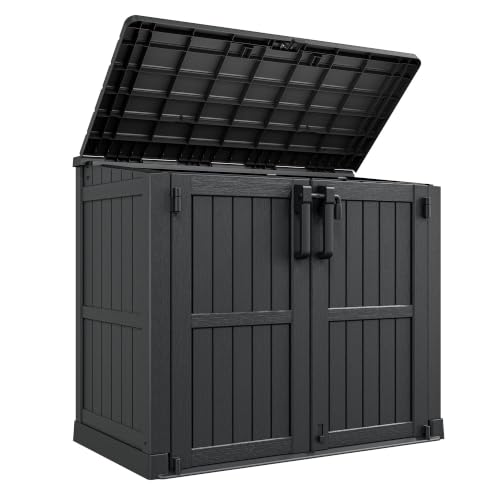
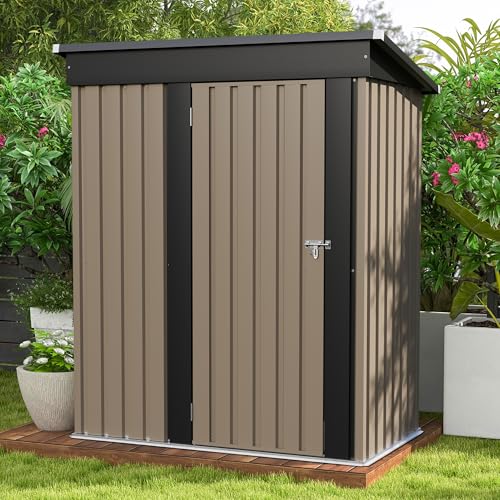
An outdoor storage cabinet is a weatherproof enclosure designed to hold the items that would otherwise clutter your outdoor living area. Unlike a simple plastic bin, a well-built cabinet offers structured shelving, locking doors, and sealed construction that keeps moisture and pests out. The result is a patio that stays organized and gear that stays usable season after season.
The most common uses fall into four categories:
- Cushion and textile storage — keeping seat cushions, throw pillows, and covers dry between uses.
- Grill and cooking accessories — storing tools, utensils, and fuel-adjacent gear near the cooking zone.
- Garden and maintenance tools — organizing hand tools, plant food, and small equipment.
- Seasonal and family items — pool toys, games, and outdoor entertaining supplies.
If you are still mapping out your overall patio plan, our broader outdoor storage overview and the outdoor storage containers guide are useful companion reads. For cushion-specific needs, see the dedicated waterproof cushion storage box guide.
Key Buying Factors: What Separates a Good Cabinet from a Great One
1. Waterproof vs. Weather-Resistant Construction
These terms are not interchangeable. A weather-resistant cabinet handles light rain and sun exposure but may let water in during heavy storms or prolonged wet periods. A waterproof cabinet uses sealed seams, gasketed doors, and a raised base to keep contents genuinely dry. If you store cushions, electronics, or anything that must stay bone-dry, prioritize a unit explicitly rated as waterproof. Our guide to the waterproof outdoor storage cabinet covers the specific construction details to look for.
2. Doors, Shelves, and Interior Layout
The interior configuration determines how usable the cabinet really is. Fixed shelves suit uniform items, while adjustable shelves let you accommodate tall bottles, stacked bins, or a propane tank. Double doors give wider access; a single door saves space in tight corners. Look for models with shelves and doors designed as a system — reinforced shelf brackets, door-mounted hooks, and a clear interior depth that matches what you plan to store. The shelves-and-doors cabinet guide breaks down the layout options.
3. Height and Footprint
A tall cabinet maximizes vertical storage on a small footprint, which is ideal for balconies and narrow side yards. A low, wide cabinet fits under windows or along a wall and can double as a surface. Measure your available space, including door swing clearance, before choosing. For vertical organization, our tall outdoor storage cabinet guide explains where height pays off most.
4. Material and Finish
Resin and high-density polyethylene resist moisture and require almost no maintenance. Metal cabinets with powder-coated, rust-proof finishes offer a more rigid structure and a cleaner look. Wood and wood-composite units look warm but need sealing and periodic care. Whichever material you choose, confirm the hardware is corrosion-resistant — hinges and latches are the first parts to fail in coastal or humid climates.
5. Security and Ventilation
A lockable cabinet protects tools and keeps children out of chemicals. Some designs include ventilation louvers to reduce condensation inside, which matters in humid regions. Balance security with airflow: a fully sealed unit that traps moisture can damage contents just as surely as a leaky one.
6. Placement and Anchoring
Place the cabinet on a level, well-drained surface, ideally under a roof overhang or shade structure. Keep it clear of sprinkler spray and downspouts. In exposed or windy locations, anchor the unit to a wall or use tie-downs. A raised base keeps the bottom panel off standing water and extends the cabinet's service life.
Comparing Cabinet Tiers: Entry-Level, Mid-Range, and Premium
The table below uses universal quality descriptors rather than numeric figures, so it stays useful regardless of market conditions. Match the tier to how much protection and capacity you actually need.
| Tier | Best For | Typical Construction | What to Expect |
|---|---|---|---|
| Entry-level | Light-duty cushion storage, small balconies, seasonal use | Resin panels, simple latch, basic shelf | Weather-resistant rather than fully waterproof; good value for its tier; best kept under cover |
| Mid-range | Everyday patio storage, grill accessories, mixed gear | Reinforced resin or powder-coated metal, gasketed doors, adjustable shelves | Balanced tier with solid weather protection, lockable doors, and more usable interior layouts |
| Premium | Full-time outdoor use, high-value gear, exposed locations | Heavy-duty metal or premium resin, sealed seams, rust-proof finish, reinforced shelving | Top-tier durability and watertight construction; a long-term investment for demanding conditions |
Essential Tier
A solid starting point for homeowners who need tidy, protected storage without overbuilding.
- Lightweight and easy to reposition
- Suited to covered patios and porches
- Simple assembly and low maintenance
Balanced Tier
The most versatile choice for most households, combining capacity, security, and weather protection.
- Adjustable shelves for mixed items
- Lockable, gasketed doors
- Handles grill gear and cushions together
Top-Tier
Built for exposed locations and year-round use where protection is non-negotiable.
- Watertight seams and rust-proof hardware
- Reinforced shelving for heavy loads
- Long-term investment in durability
Space-by-Space Recommendations
Small Patios and Balconies
Choose a tall, narrow cabinet that uses vertical space without blocking walkways. A slim unit placed against a wall or railing keeps the floor clear. Pair it with a compact storage ottoman that doubles as seating when space is at a premium.
Grill and Cooking Zones
Keep tools, foil, brushes, and fuel-adjacent accessories within arm's reach of the grill. A cabinet rated for grill accessories organizes the cooking area and keeps grease and weather away from your supplies. See the grill accessory storage cabinet guide for layout ideas.
Cushion and Textile Storage
Cushions are the single most weather-sensitive patio item. A waterproof cabinet with breathable ventilation prevents mildew while keeping fabric dry. For larger collections, compare cabinet options with a dedicated cushion storage solution and a cushion storage cabinet.
Multi-Use and Family Spaces
Households with children benefit from lockable cabinets for chemicals and tools, plus open shelving or bins for toys and games. A storage bin or toy storage unit can complement a locked cabinet for day-to-day access.
Cabinet vs. Bench vs. Box: Choosing the Right Form
Not every storage need calls for a cabinet. The right form depends on what you store and how often you access it.
| Form | Best For | Trade-Off |
|---|---|---|
| Tall cabinet | Organized, multi-category storage on a small footprint | Needs vertical clearance; heavier when loaded |
| Storage bench | Seating plus storage for cushions and covers | Limited interior height; best for flat items |
| Storage box / chest | Bulky items, pool gear, long cushions | Less organization; items stack rather than shelve |
| Storage container | Flexible, portable overflow storage | Lower structural rigidity than a cabinet |
Compare specific alternatives in our guides to the storage bench, storage chest, storage box, and storage container options.
Installation, Placement, and Maintenance Checklist
- Measure twice: Confirm width, depth, height, and door swing clearance before ordering.
- Level the base: Use a level surface or shims so doors close evenly and seals stay effective.
- Raise it slightly: A small gap or built-in feet keeps the bottom panel off standing water.
- Anchor in exposed spots: Secure the unit to a wall or use tie-downs in windy locations.
- Check seals seasonally: Inspect gaskets and hinges; replace worn seals to maintain waterproofing.
- Clean and dry: Wipe the interior dry after wet seasons and leave doors slightly open on dry days to air out.
- Rotate contents: Store textiles on upper shelves and heavier items lower for stability.
Common Mistakes to Avoid
Many storage cabinets underperform because of avoidable errors rather than defects. Watch for these:
- Assuming weather-resistant means waterproof. They are different ratings; match the unit to your exposure.
- Ignoring ventilation. A sealed cabinet without airflow can trap condensation and cause mildew.
- Overloading shelves. Respect per-shelf load ratings, especially with heavy grill gear or planters.
- Placing under downspouts. Direct water flow overwhelms even good seals over time.
- Skipping the anchor. Empty cabinets are light and can tip or blow over in strong wind.
Related Storage Guides
Frequently Asked Questions
What makes an outdoor storage cabinet truly waterproof?
A genuinely waterproof outdoor storage cabinet combines sealed seams, a gasketed door frame, rust-proof hardware, and a raised base that keeps the unit off standing water. Look for models that explicitly state waterproof or watertight construction rather than merely weather-resistant, since the two terms describe very different levels of protection.
How much weight can outdoor storage cabinet shelves typically hold?
Shelf capacity varies by tier. Entry-level resin cabinets often support moderate loads suited to cushions and small tools, while mid-range and premium units with reinforced shelving and metal brackets handle heavier items such as grill accessories, propane tanks, and stacked planters. Always check the manufacturer's stated per-shelf load rating before loading heavy gear.
Should I choose a tall outdoor storage cabinet or a low storage bench?
A tall outdoor storage cabinet with shelves maximizes vertical space and is ideal for narrow patios, balconies, and organizing multiple categories of items on separate shelves. A low storage bench or box works better as dual-purpose seating and for storing long, flat items like cushions. Many homeowners use a tall cabinet for tools and accessories and a separate bench for seating.
Where should I place an outdoor storage cabinet on my patio?
Place the cabinet on a level, well-drained surface and, where possible, under a roof overhang, pergola, or shade structure to reduce direct rain and UV exposure. Keep it away from sprinkler spray and gutter downspouts. Anchoring the unit to a wall or securing it against wind is recommended in exposed locations.
Ready to Compare Outdoor Storage Cabinets?
Explore our hand-picked selection below to find a weatherproof cabinet that fits your patio, your gear, and your storage goals.
View Recommended Cabinets