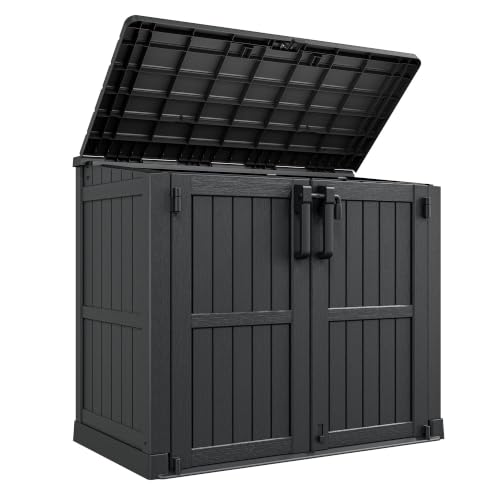
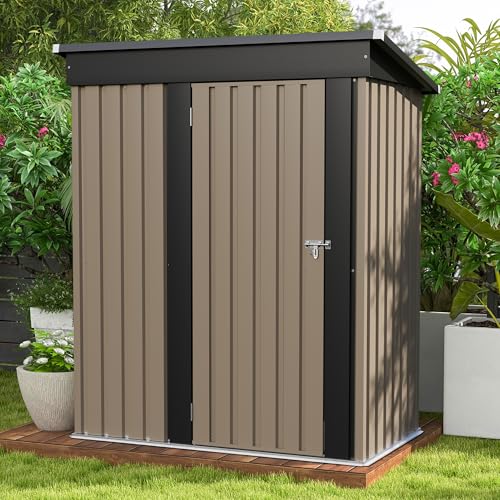
Waterproof Outdoor Storage Cabinet: The Complete Buying Guide
Protect your patio cushions, grill tools, and outdoor essentials from rain, humidity, and UV exposure. Learn what makes a storage cabinet truly weatherproof before you choose.
Why this guide matters: A waterproof outdoor storage cabinet is one of the most practical upgrades for any patio, deck, or balcony. The right unit keeps fabrics dry, prevents mold and rust, and extends the lifespan of everything you store outside. The wrong unit traps moisture, warps, or fails within a season. This guide breaks down materials, sealing systems, sizes, and features so you can evaluate options with confidence.
What "Waterproof" Really Means for Outdoor Storage
Many outdoor cabinets are labeled "water-resistant" rather than "waterproof." The distinction matters. Water-resistant cabinets handle light rain and splashes but can let moisture in during heavy storms or prolonged humid periods. A truly waterproof outdoor storage cabinet uses sealed seams, gasketed doors, and raised bases to keep water out from every direction — top, sides, and bottom.
When evaluating a cabinet, look for these three layers of protection:
- Material-level resistance: The body itself should not absorb water. Resin, high-density polyethylene (HDPE), and powder-coated steel are common choices.
- Seal-level protection: Gaskets, rubber stripping, and overlapping door edges prevent water from seeping through gaps.
- Design-level drainage: Sloped tops, raised feet, and ventilated backs allow water to run off and air to circulate, reducing condensation inside.
Key insight: A cabinet can be fully sealed against rain and still fail if it traps humid air inside. Proper ventilation — often through small screened vents — is what separates a cabinet that stays dry from one that grows mildew. The best waterproof outdoor storage cabinets balance sealing against rain with breathability against condensation.
Materials Compared: Which Cabinet Body Lasts Longest?
The material of the cabinet body determines how well it handles moisture, UV exposure, and temperature swings. Here is how the most common options compare.
| Material | Tier | Best For | Moisture Behavior |
|---|---|---|---|
| Resin / HDPE | Entry-level to mid-range | Patios with frequent rain and sun | Does not absorb water; will not rot or rust; UV-stabilized versions resist fading |
| Powder-coated steel | Mid-range to premium | Heavy tools, grill accessories, secure storage | Excellent when coating is intact; chips expose metal to rust |
| Aluminum | Premium to high-end tier | Coastal areas, long-term outdoor use | Rust-proof by nature; lightweight but sturdy; premium finishes available |
| Wood (teak, cedar) | Mid-range to luxury | Design-focused patios and covered porches | Naturally rot-resistant species perform well; requires periodic sealing |
| Stainless steel | Professional-grade | Outdoor kitchens, commercial settings | Highly corrosion-resistant; heavier and reflects heat |
Resin and HDPE cabinets are the most popular choice for general patio use because they combine solid water resistance with low maintenance. If you need to store heavier items or want a more rigid structure, powder-coated steel or aluminum are strong alternatives. For design-driven spaces, teak and cedar cabinets offer warmth but demand more care.
Sealing and Gasket Systems: The Hidden Detail That Matters Most
Two cabinets can use the same body material and perform very differently because of how the doors seal. When comparing models, inspect the following:
Full-perimeter gaskets
Rubber or silicone gaskets that run around the entire door frame create a continuous barrier against driven rain. Cabinets with gaskets only on the top edge or handle side are far more vulnerable to water intrusion during storms.
Overlapping or rebated doors
Doors that overlap the cabinet frame rather than sitting flush inside it shed water outward before it reaches the seal. This design detail is common in waterproof cabinets with shelves built for exposed patios.
Raised base and sloped top
Feet that lift the cabinet off the ground prevent standing water from soaking into the bottom panel. A gently sloped or overhanging top directs rain away from the door seams.
Screened ventilation vents
Small vents covered with fine mesh allow humid air to escape without letting rain or insects in. This is especially important for cabinets that hold cushions or textiles.
Sizing and Capacity: Matching the Cabinet to Your Gear
Storage needs vary widely. A compact balcony may only need room for a few chair cushions and a grill cover, while a large patio might require space for a full cushion set, pool accessories, and garden tools. Consider these size categories:
- Compact cabinets: Ideal for balconies and small decks; typically hold 2–4 seat cushions or a set of grill tools.
- Mid-size cabinets: The most versatile category; can hold a full dining set cushion collection or a mix of tools and textiles. Models like the cabinet with shelves and doors add organization for smaller items.
- Tall cabinets: Best for vertical storage; a tall storage cabinet with shelves keeps brooms, long tools, and stacked bins off the floor.
- Large or commercial-grade cabinets: Suited to outdoor kitchens and multi-family patios; often built from stainless steel or heavy-duty resin.
Before choosing a size, measure the footprint you can dedicate and confirm that the cabinet doors can open fully in that space. Also check interior height — some cabinets have a fixed shelf that limits what fits on each level.
Where to Place a Waterproof Cabinet for Best Results
Placement affects how well any cabinet performs. A unit that is fully exposed to wind-driven rain faces more stress than one tucked against a wall or under an overhang. Consider these placement guidelines:
- Position the cabinet against a wall or fence to reduce direct rain exposure on at least one side.
- Avoid low spots where water pools after storms.
- Leave a small gap between the cabinet back and the wall to allow air circulation and prevent trapped moisture.
- If the cabinet will sit on grass or soil, place it on a paved surface or a small platform to keep the base dry.
For patios that need to store both seating cushions and loose items, a dedicated waterproof cushion storage box can complement a cabinet, keeping bulky items separate from tools and accessories.
Features Worth Prioritizing
Beyond the body and seal, these features separate a cabinet that works well from one that frustrates you over time:
- Adjustable shelving: Lets you reconfigure interior space as your storage needs change. Fixed shelves limit flexibility.
- Lockable handles: Important if the cabinet holds valuable tools or grill equipment.
- UV-stabilized finish: Prevents fading and cracking on cabinets that receive direct sun.
- Soft-close hinges: Reduces wear on the door seals and prevents slamming in windy conditions.
- Integrated handles or casters: Makes repositioning easier when cleaning the patio or rearranging the space.
Planning tip: If your patio also includes a grill station, consider a dedicated grill accessory cabinet to keep tools, fuel, and cleaning supplies organized separately from textiles. This keeps moisture-prone items away from fabrics and simplifies maintenance.
Maintenance That Keeps a Cabinet Waterproof
Even the best waterproof cabinet needs periodic attention to maintain its seal. A simple maintenance routine extends service life considerably:
- Clean gaskets seasonally: Wipe door seals with a damp cloth and mild soap to remove dirt that can break the seal.
- Inspect for cracks or chips: Small cracks in resin or chips in powder coating should be addressed promptly to prevent water intrusion.
- Check ventilation: Clear any debris from screened vents so humid air can escape.
- Dry the interior after humid spells: Leave doors open on a dry day to air out condensation.
- Reapply sealant on wood models: Wood cabinets benefit from periodic sealing to maintain water resistance.
For broader patio organization, pairing a waterproof cabinet with an outdoor storage bench or a storage chest creates a layered storage system that keeps every category of gear protected and accessible.
Common Mistakes to Avoid
- Assuming "weather-resistant" means waterproof: Always check for gaskets, sealed seams, and raised bases rather than relying on the label alone.
- Choosing a cabinet with no ventilation: A fully sealed unit can trap moisture and cause mold on stored fabrics.
- Placing the cabinet directly on grass or soil: Ground moisture wicks into the base and accelerates deterioration.
- Overloading shelves: Exceeding the cabinet's weight limits can warp the frame and compromise door alignment and sealing.
- Ignoring door clearance: A cabinet that cannot open fully is frustrating to use and may force awkward loading that damages seals.
Frequently Asked Questions
Is a resin cabinet truly waterproof?
Resin cabinets are inherently water-resistant because the material does not absorb moisture. Whether a specific cabinet is fully waterproof depends on its seals, door design, and base. Look for gasketed doors and a raised base to confirm full protection.
Can I store cushions in a waterproof cabinet long-term?
Yes, provided the cabinet has ventilation to prevent condensation. Cushions should be completely dry before storage. A cabinet with screened vents and a raised base is the safest option for textiles.
How do I know if a cabinet will rust?
Resin, HDPE, and aluminum cabinets will not rust. Powder-coated steel and stainless steel resist rust well when the coating or alloy is intact. Inspect for chips and address them promptly to prevent corrosion.
Do I need to anchor the cabinet?
In windy areas, anchoring a tall cabinet to a wall or securing it with weighted base feet is recommended. Lightweight resin cabinets are more susceptible to tipping in strong gusts.
What size cabinet fits a standard patio?
For most residential patios, a mid-size cabinet with two shelves handles a full set of dining cushions plus small accessories. Measure your available footprint and confirm door swing clearance before choosing.
Can a waterproof cabinet be used indoors?
Yes. Waterproof cabinets work well in garages, basements, and mudrooms where moisture is a concern. The sealed design helps protect stored items from dampness in any environment.