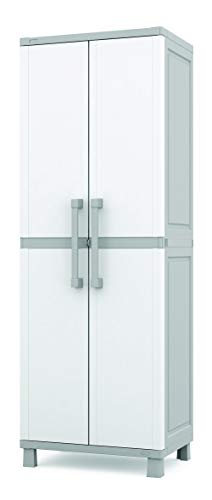
Outdoor Tall Storage Cabinet with Shelves: Your Complete Buying Guide
Keep your patio, deck, and garden organized with a weatherproof tall storage cabinet. Learn how to choose the right size, material, and features for your outdoor space.
START THE GUIDEWhy a tall outdoor storage cabinet matters: An outdoor tall storage cabinet with shelves transforms cluttered patios into organized retreats. Unlike low benches or bins, a tall cabinet uses vertical space efficiently — keeping cushions, tools, grill accessories, and garden supplies protected from rain, UV rays, and pests while staying within arm's reach. This guide walks you through every decision point so you can choose a cabinet that fits your space and your lifestyle.
What Makes a Tall Outdoor Storage Cabinet Different?
A tall outdoor storage cabinet with shelves is a freestanding vertical unit designed to withstand the elements while providing multiple interior levels for organization. Unlike a standard outdoor storage bench — which doubles as seating but offers limited interior height — a tall cabinet maximizes vertical capacity. It typically stands between 60 and 75 inches high and features adjustable or fixed shelving, locking doors, and weather-resistant construction.
These cabinets serve a distinct role from smaller units like an outdoor storage cabinet with shelves and doors. The tall format is ideal for standing items such as brooms, grill tools, folded umbrellas, and stacked cushions. When you need to protect soft goods from moisture, pairing a tall cabinet with an outdoor storage box for cushions waterproof gives you redundant protection across different zones of your patio.
Key Features to Evaluate Before You Buy
Weatherproof Construction
The best units use high-density polyethylene (HDPE), powder-coated steel, or marine-grade resin. Look for sealed seams, overlapping doors, and UV-stabilized materials that resist fading and cracking.
Adjustable Shelving
Adjustable shelves let you reconfigure the interior for tall grill tools or stacked cushions. Mid-range and premium models typically offer three to five adjustable positions per shelf.
Locking Mechanism
A lockable cabinet protects against theft and keeps curious children away from chemicals or sharp tools. Entry-level units may use simple turn-latches, while top-tier models offer keyed or padlock-compatible handles.
Ventilation
Proper airflow prevents mold and mildew buildup inside the cabinet. Look for louvered panels or small ventilation gaps — especially important in humid climates.
Weight Capacity
Each shelf should support at least 25–50 pounds for general use. Heavy-duty or commercial-grade cabinets reinforce shelves and base panels for tools, pottery, or grill tanks.
Assembly & Portability
Some cabinets ship fully assembled; others require 30–60 minutes of setup. If you plan to reposition the cabinet seasonally, consider models with feet or casters.
Materials: Which One Suits Your Climate?
The material determines how long your cabinet survives sun, rain, and temperature swings. Here is how the main options compare:
- High-Density Polyethylene (HDPE): The most weather-resistant option. Never rots, never needs painting, and resists insects. Ideal for coastal and rainy climates. Heavier than resin but extremely durable.
- Powder-Coated Steel: Strong and secure. Premium finishes resist rust, but any scratch or chip can become a corrosion point. Best for covered patios or dry climates.
- Marine-Grade Resin: Lightweight and UV-stable. A solid mid-range choice that balances durability with easy handling. Watch for thin walls on entry-level versions.
- Solid Wood (Teak or Cedar): Beautiful and naturally rot-resistant, but requires seasonal sealing. Best suited for covered porches where direct rain exposure is limited.
- Aluminum: Rust-proof and lightweight. Premium aluminum cabinets with powder coating offer excellent longevity, though they can dent under heavy impact.
If your patio receives direct afternoon sun, choose UV-stabilized HDPE or powder-coated aluminum. In humid, rainy regions, avoid untreated wood and inspect steel cabinets for coating integrity every season.
Sizing Your Cabinet for Real-World Use
Measure your available footprint before shopping. A typical tall cabinet ranges from 24 to 36 inches wide and 15 to 24 inches deep. Height matters for both capacity and visual balance — a cabinet that towers over nearby furniture can feel oppressive on a small balcony.
Consider what you plan to store. Stacked chair cushions consume roughly 12 inches of height per set. Long-handled tools need at least 50 inches of uninterrupted vertical space, which means choosing a model with at least one full-height shelf bay. If your primary goal is cushion storage, a dedicated outdoor storage box may complement a tall cabinet by handling bulky items the cabinet cannot accommodate.
For patios that also host seating, a outdoor storage ottoman can provide quick-access storage near lounge areas while the tall cabinet handles overflow and tools. Think of storage as a system: tall cabinet for vertical items, bench or ottoman for seating-adjacent soft goods, and a outdoor storage container for seasonal items you rotate in and out.
Market Tiers: What to Expect at Each Level
Rather than focusing on arbitrary figures, understand how cabinets differ across market tiers. This helps you match features to your actual needs.
| Tier | Typical Materials | Shelving | Weather Resistance | Best For |
|---|---|---|---|---|
| Entry-Level | Thin resin, basic plastic | 1–2 fixed shelves | Basic — covered areas only | Light-duty storage on sheltered balconies |
| Mid-Range | HDPE, powder-coated steel | 2–3 adjustable shelves | Good — handles rain and UV | Year-round patio use in most climates |
| Premium | Marine-grade resin, aluminum | 3–4 adjustable + reinforced base | Excellent — sealed seams, UV-stable | Full outdoor exposure, coastal areas |
| Commercial-Grade | Heavy-gauge steel, industrial resin | 4+ adjustable, high weight capacity | Superior — gasketed doors, corrosion-proof | Restaurants, shared spaces, heavy tools |
Mid-range models usually offer the best balance of durability and adjustability for typical homeowners. Entry-level cabinets work well for light-duty storage on covered porches, while premium and commercial-grade units justify their higher tier positioning through reinforced construction and longer lifespan under full exposure.
Organization Strategies That Maximize Tall Cabinet Space
A tall cabinet with shelves rewards a thoughtful layout. Here is how to get the most from every inch:
- Top shelf: Store lightweight, infrequently used items — seasonal decor, spare light bulbs, or folded tablecloths.
- Middle shelves: Keep everyday items at eye level — grill tools, matches, sunscreen, and insect repellent.
- Lower shelves: Place heavier items like pottery, hoses, or toolboxes low to maintain stability.
- Floor bay: Reserve a full-height bay for brooms, rakes, or folded umbrellas. Some cabinets include a bottom shelf that can be removed for this purpose.
- Door storage: Add hook-and-loop strips or small hanging bins to the inside of doors for gloves, twine, and small hand tools.
If your organizing needs extend beyond a single cabinet, consider pairing it with an outdoor storage cabinet for grill accessories near your cooking zone and an outdoor toy storage solution for family-friendly spaces. A unified storage system keeps every zone of your patio functional.
Placement and Integration with Your Patio Layout
Where you place the cabinet affects both accessibility and the visual flow of your outdoor space. Consider these placement strategies:
- Near the dining area: A cabinet positioned close to your outdoor table and chairs keeps napkins, candles, and serving pieces within easy reach during meals.
- Beside the grill station: Place the cabinet within arm's reach of your cooking zone so tools and fuel stay organized and dry.
- Against a wall or fence: Tall cabinets look best anchored against a solid vertical surface, which also provides wind protection.
- On a covered porch: Even weatherproof cabinets last longer under cover. A porch placement reduces direct UV exposure and extends the life of seals and hinges.
- Away from seating flow: Avoid blocking pathways between your outdoor sofa and dining area. A cabinet should feel integrated, not obstructive.
For smaller patios, a tall cabinet can replace a bulkier outdoor storage chest while freeing floor space. The vertical footprint is often more efficient in tight layouts. If you are redesigning the entire patio, review our guide to outdoor setting to plan storage alongside furniture and shade elements.
Maintenance and Longevity
Even the most weather-resistant cabinet benefits from routine care. A few minutes each season keeps doors aligned, hinges smooth, and seals intact.
- Wipe down exterior surfaces every few months with mild soap and water to remove pollen and dirt.
- Inspect door seals and gaskets for cracks; replace worn seals to maintain weather resistance.
- Lubricate hinges and locks annually with a silicone-based product — avoid petroleum lubricants that attract dust.
- Check shelf clips and brackets for looseness; tighten as needed to prevent sagging.
- Before winter, empty the cabinet, clean the interior, and leave doors slightly ajar during dry spells to prevent trapped moisture.
A well-maintained premium cabinet can serve your patio for a decade or more. Treating it as a long-term investment — rather than a disposable purchase — pays off through consistent organization and fewer replacements.
Frequently Asked Questions
Can a tall outdoor storage cabinet stay outside all year?
Yes, provided it is rated for full outdoor exposure. HDPE, marine-grade resin, and powder-coated aluminum cabinets are designed for year-round use. Wood cabinets should be placed under cover and sealed annually. Always check the manufacturer's exposure rating before placing a cabinet in direct, unsheltered conditions.
How much weight can the shelves hold?
Entry-level cabinets typically support 15–25 pounds per shelf, mid-range models handle 30–50 pounds, and premium or commercial-grade units support 75 pounds or more. Always distribute weight evenly and place heavy items on lower shelves to maintain stability.
Will a tall cabinet fit on a small balcony?
Measure both the floor footprint and the vertical clearance. Many tall cabinets are 24–30 inches wide, which fits most balconies. Choose a model with a shallow depth (15–18 inches) to preserve walking space. If space is extremely tight, consider an outdoor storage cabinet with a narrower profile or a wall-mounted alternative.
Do I need to anchor the cabinet?
In windy areas or on elevated decks, anchoring is strongly recommended. Most tall cabinets include pre-drilled holes for wall or floor anchoring. Anchoring also prevents tipping if doors are left open or if children climb on shelves.
Can I use a tall cabinet for cushion storage?
Yes, but choose a model with adjustable shelves and adequate depth. Cushions stored in a cabinet should be completely dry to prevent mildew. For bulky cushions, a dedicated outdoor storage for patio furniture cushions may offer a better fit, while the tall cabinet handles tools and smaller items.
Final Thoughts: Choosing with Confidence
An outdoor tall storage cabinet with shelves is one of the most practical investments you can make for your patio. It protects your belongings, reduces clutter, and extends the usable life of cushions, tools, and accessories. Focus on weather resistance, adjustable shelving, and appropriate sizing for your space — and match the market tier to your actual exposure and storage demands.
Whether you are organizing a compact balcony or a sprawling backyard, the right cabinet brings order to your outdoor living space. Pair it with complementary storage solutions, place it thoughtfully, and maintain it seasonally. The result is a patio that stays ready for relaxation and entertaining — with everything you need, exactly where you expect it to be.