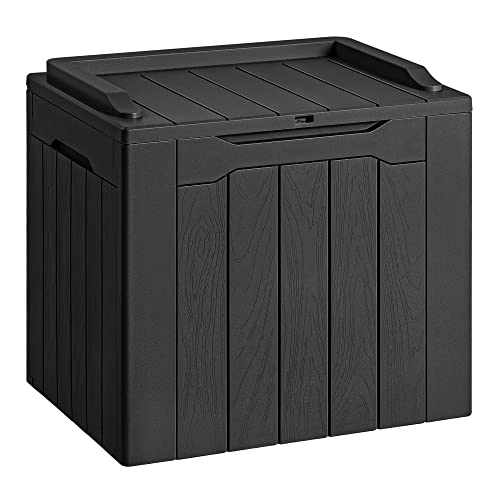
Outdoor Toy Storage: The Complete Buying Guide for a Tidy Backyard
Why outdoor toy storage matters: A backyard filled with scattered balls, pool floats, ride-on cars, and sandbox tools quickly becomes a tripping hazard and a maintenance headache. The right storage solution protects your children's gear from sun, rain, and pests while keeping your patio and lawn looking intentional. This guide walks you through every storage category, material, and feature so you can choose with confidence — then check availability through our curated recommendations below.
Why Every Family Needs Dedicated Outdoor Toy Storage
Toys left on the lawn or deck degrade fast. UV rays fade plastic and crack rubber, overnight rain soaks plush items and rusts metal axles, and wind scatters lightweight playthings across the neighborhood. Beyond damage, clutter creates real safety risks: a stray scooter or water slide on a wet patio is a slip hazard for adults and children alike.
A dedicated storage unit solves all of these problems at once. It extends the usable life of every toy, keeps your outdoor living area ready for guests, and teaches children the habit of putting things away. When paired with a well-organized outdoor storage strategy for cushions, tools, and grill accessories, your backyard becomes a genuinely functional extension of your home.
Types of Outdoor Toy Storage: A Full Comparison
Not every storage solution fits every yard. The right choice depends on how much you need to store, where the unit will sit, and whether children need to access it independently. Here are the main categories, compared side by side.
| Storage Type | Best For | Accessibility | Weather Protection |
|---|---|---|---|
| Deck Storage Box | Balls, pool toys, small ride-ons | Lift lid — easy for kids | Good with sealed lid |
| Storage Bench | Dual-purpose seating plus toy storage | Hinged top | Good with gasketed lid |
| Vertical Cabinet | Shelving for helmets, nets, art supplies | Doors with shelves | Excellent — fully enclosed |
| Storage Chest | Large volume, bulky inflatables | Top-opening lid | Good to excellent |
| Storage Ottoman | Small patios, quick-access toys | Lift-off or hinged lid | Moderate |
| Storage Bin / Container | Starter tier, sorting by category | Lid or open top | Varies — check sealing |
If seating is a priority, an outdoor storage bench delivers two functions in one footprint — a place for parents to sit while children play, plus a hidden compartment for toys. For sheer capacity, a storage chest or storage box handles bulky inflatables and ride-on cars. When you need organized shelving for smaller items, a storage cabinet is the structured choice.
Materials: What Survives the Outdoors
Material choice determines how long your storage unit lasts and how well it protects what is inside. Here is how the common options compare.
Resin and Plastic
Entry-level and mid-range resin boxes are the most common choice for toy storage because they resist rot, do not rust, and wipe clean easily. High-grade resin with UV inhibitors holds color far better than basic plastic. Look for double-wall construction on mid-tier models — it adds rigidity and insulation against heat buildup.
Wood
Cedar and teak are naturally rot-resistant and bring warmth to a patio design. Mid-tier and premium wooden benches often use sealed fir or acacia. Wood requires periodic resealing to maintain its weather resistance, but it is repairable and ages gracefully. Avoid untreated softwood in wet climates.
Metal
Powder-coated steel and aluminum offer the strongest structural integrity and are the go-to for high-end and commercial-grade cabinets. Rust-proof finishes and stainless hardware are essential — a rusted hinge can fail within a single season if the coating is thin. Metal units also resist pests completely.
Fabric and Soft-Sided
Collapsible fabric bins are the essential tier for lightweight, temporary sorting — think beach toys or pool noodles. They are not designed for permanent outdoor exposure and should be brought inside or under cover during storms.
Pro tip: Whatever material you choose, confirm the lid has a gasket or overlap seal. A sealed lid is the single biggest factor in keeping rain, insects, and humidity out of a top-opening box. Raised feet also prevent standing water from wicking into the base.
Key Features to Evaluate Before You Choose
- Child-safe lid: A slow-close or soft-close hinge prevents pinched fingers. Avoid heavy unsupported lids that can slam shut.
- Ventilation: Some airflow prevents mold on damp pool toys. A small vent gap or louvered back panel helps.
- Lockable latch: Useful for pool chemicals and tools stored alongside toys — keep hazardous items in a separate locked cabinet.
- Mobility: Casters or handles matter if you move the unit between seasons. A unit like an storage cabinet with shelves and doors should stay put, while a rolling box can follow the shade.
- Drainage: Slatted floors or drain holes prevent water pooling after heavy rain.
- Capacity vs. footprint: Measure your deck space first. Vertical cabinets store more per square foot than low benches.
How to Choose the Right Size and Placement
Start by inventorying what you actually store. Group items into three buckets: bulky (inflatables, ride-ons), medium (balls, buckets, nets), and small (sand toys, chalk, art supplies). Bulky items need a chest or large box; medium items fit a bench; small items benefit from a cabinet with shelves or labeled bins inside a larger unit.
Placement matters as much as capacity. Position storage near where toys are used — beside the sandbox, at the edge of the pool deck, or against the garage wall — so putting things away is a two-step habit rather than a chore. Keep the unit out of direct afternoon sun to reduce heat buildup and UV stress on the lid.
If your patio also holds furniture cushions and grill gear, plan a coordinated storage zone. A waterproof storage cabinet can anchor the zone, with a separate cushion storage box nearby for soft goods. For compact spaces, an outdoor storage ottoman doubles as a footrest and hides small toys neatly.
Organizing Inside Your Toy Storage
A single large box quickly becomes a jumbled mess. Sort by activity and use clear or labeled containers inside:
- Pool and water toys in a ventilated bin with drainage holes.
- Balls and sports gear in a mesh bag hung from a hook inside a cabinet.
- Sandbox tools in a shallow tray that lifts out for rinsing.
- Chalk, bubbles, and art supplies in a sealed small container to keep moisture out.
- Helmets and safety gear on a dedicated shelf at child height.
Label everything with pictures for pre-readers. A consistent sorting system is what keeps storage working long after the novelty wears off.
Maintenance and Seasonal Care
Outdoor storage is only as good as its upkeep. Rinse plastic and resin units each season, check hinges and latches for loosening, and reseal wooden benches annually. Before winter, empty fabric items, dry the interior thoroughly, and prop the lid slightly open for airflow if the unit stays outside. Metal cabinets benefit from a touch-up of any chipped powder coating to prevent rust from spreading.
Frequently Asked Questions
Is a plastic or wooden toy box better outdoors?
Plastic and resin resist moisture with zero maintenance, making them the practical choice for wet climates. Wood offers better aesthetics and repairability but requires annual sealing. For most families, a mid-range double-wall resin box is the balanced tier choice.
How do I keep toys dry inside an outdoor box?
Choose a unit with a gasketed or overlapping lid, raised feet, and a slatted or drilled floor. Place a moisture absorber packet inside during humid months, and never store wet toys without drying them first.
Can children open the storage safely?
Yes, if you choose soft-close hinges and avoid heavy lids. Position the unit on level ground and secure it against tipping if it is tall. Keep locked compartments for chemicals separate from toy access.
How much capacity do I need?
As a rule of thumb, a family with two young children typically needs 60 to 100 gallons of combined capacity for outdoor toys. Start with one bench or chest for bulky items and add a vertical cabinet as the collection grows.
Should the storage unit match my patio furniture?
Coordinating material and color with your existing outdoor sofa or dining set creates a cohesive look. Resin boxes in neutral tones blend with most schemes, while cedar and teak pair naturally with wooden seating.