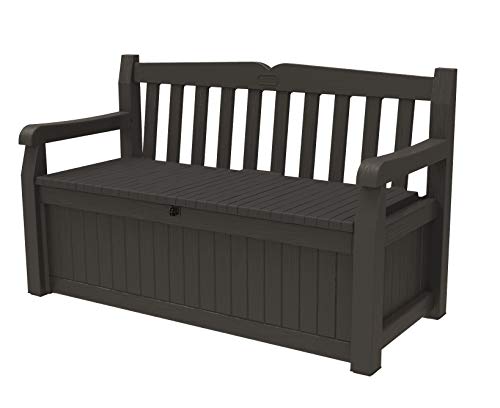
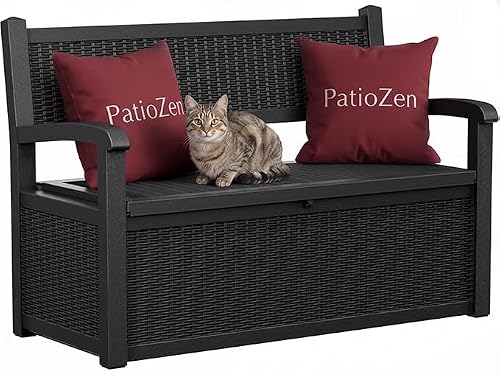
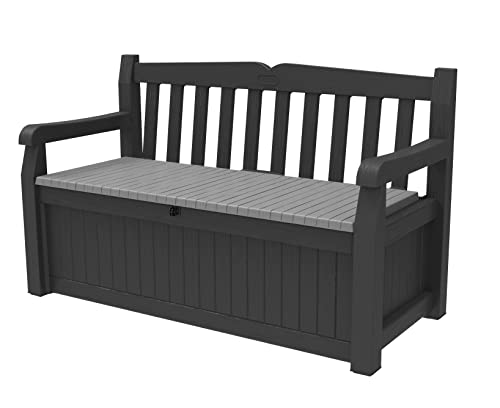
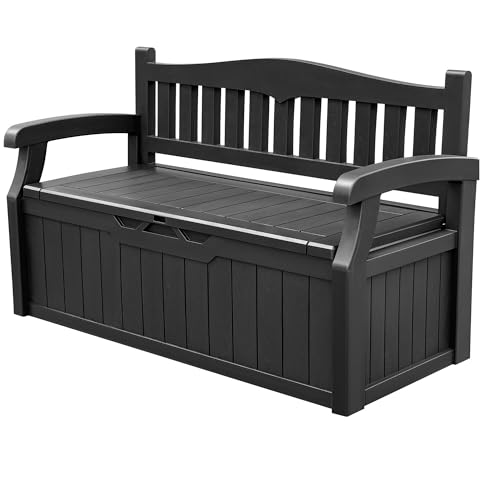
Outdoor Storage Bench Buying Guide: Weatherproof Seating With Hidden Storage
Everything you need to know before choosing a storage bench for your deck, patio, or porch — materials, sizing, lid mechanisms, and the features that actually hold up outdoors.
An outdoor storage bench solves two problems at once: it gives you comfortable seating and a dry place to stash cushions, garden tools, pool toys, or grill accessories. But not every bench marketed as "weatherproof" lives up to the claim after a season or two. This guide breaks down the materials, construction details, and practical sizing rules so you can buy once and buy right.
Why an Outdoor Storage Bench Makes Sense
Outdoor living spaces accumulate gear. Cushions need a dry home when rain rolls in. Kids' toys, garden gloves, and grill tools need somewhere out of sight. A standalone storage box handles that, but a bench with integrated storage adds a place to sit — which matters on smaller decks where every square foot has to work twice as hard.
The practical case comes down to three benefits:
- Dual function: One footprint delivers seating and concealed storage, which is especially useful on compact balconies and narrow porches.
- Cushion protection: A bench with a sealed lid keeps patio cushions dry and out of UV exposure between uses, which extends their lifespan considerably compared to leaving them out.
- Clutter control: Open shelves and side tables collect visual noise. A closed bench hides it all behind one clean line.
If your storage needs lean toward cushions specifically, it's worth reading a dedicated guide on waterproof cushion storage boxes to compare sealing standards side by side. For general gear and toys, an outdoor toy storage solution may be the better structural fit. A bench sits in the middle — comfortable, versatile, and rarely the wrong choice.
Material Comparison: Resin, Wood, Metal, and Wicker
The material determines how long the bench survives, how much it weighs, and what maintenance it demands. There is no universally best material — the right pick depends on your climate, your aesthetic, and how much upkeep you're willing to do.
Resin and Polyethylene
Resin benches are the most common choice for wet, coastal, or humid climates. They won't rot, don't absorb water, and resist insects entirely. High-density polyethylene (HDPE) in particular holds color well and can be cleaned with a garden hose. The tradeoff is appearance: entry-level resin can look plasticky, while premium resin formulations mimic wood grain convincingly. Resin is also heavy relative to its volume, which is good for wind resistance but makes repositioning a two-person job.
Wood (Teak, Acacia, Cedar, Eucalyptus)
Wood benches offer the warmest look and the most natural integration with decking. Teak and cedar are the standouts for outdoor durability thanks to natural oils that resist rot and insects. Acacia and eucalyptus are more common at mid-range and need periodic sealing to hold up. Solid wood construction will expand and contract seasonally, so a well-built bench uses joinery that allows movement rather than fighting it. If you choose wood, plan on an annual clean-and-seal routine — it's not optional in rainy climates.
Metal (Steel and Aluminum)
Powder-coated aluminum is lightweight, rust-resistant, and modern in profile. Steel is heavier and stronger but demands a rust-proof finish; any chip in the coating becomes a corrosion point. Metal benches work well in contemporary settings and dry climates. In coastal salt air, aluminum with a marine-grade coating is the safer bet. Metal seats can get hot in direct sun, so consider a cushion or shaded placement.
Wicker and Rattan (Natural and Synthetic)
Natural rattan is beautiful but genuinely not suited to uncovered outdoor exposure — it absorbs moisture and degrades. Synthetic wicker (PE rattan over an aluminum frame) is the practical alternative: it looks woven, resists water and UV, and weighs less than resin. The frame underneath is what determines longevity, so check that it's aluminum rather than steel before buying.
| Material | Weather Resistance | Maintenance | Best For |
|---|---|---|---|
| Resin / HDPE | Excellent — no rot, no rust | Hose down occasionally | Coastal, humid, rainy climates |
| Teak / Cedar | Very good — natural oils | Annual seal or oil | Natural aesthetics, covered patios |
| Acacia / Eucalyptus | Good — needs sealing | Seal every 6–12 months | Mid-range wood look |
| Powder-coated Aluminum | Very good — rust-resistant | Wipe down, touch up chips | Modern design, dry climates |
| Powder-coated Steel | Moderate — chips corrode | Inspect coating regularly | Covered porches |
| Synthetic Wicker (PE) | Good — frame dependent | Wipe down | Woven look with light weight |
One useful rule: if the bench will sit fully exposed to rain and sun year-round, resin or powder-coated aluminum will outlast wood with far less effort. If it lives under a covered porch, wood becomes a much more reasonable long-term investment. Our broader guide to weatherproofing outdoor furniture covers seasonal protection in more depth.
Sizing and Capacity: Match the Bench to Your Space
Storage benches generally fall into three length bands, and each suits a different scenario. The numbers below refer to seating length and interior capacity — not to any specific product listing.
Compact (roughly 30–40 inches wide)
Fits a single adult comfortably or two children. Interior volume is enough for a few folded cushions, garden hand tools, or a pair of small toy bins. Best for balconies, narrow entryways, and porches where floor space is tight. These are also the easiest to move when you need to clear the deck.
Standard (roughly 45–55 inches wide)
The most versatile size. Seats two adults without crowding and holds a full set of patio chair cushions plus throw pillows. This band covers most deck and patio use cases and is the safest default if you're unsure. Standard benches typically hold somewhere in the range of 70 to 100 gallons of internal volume, which is enough for real storage rather than token storage.
Large (roughly 60–72 inches wide)
Seats three adults or two people with room to spread out. Internal capacity can exceed 120 gallons, enough for a full outdoor dining cushion set, pool gear, or a season's worth of garden supplies. These benches are heavy — often 80 pounds or more empty — and need a permanent or semi-permanent placement. They work best against a wall or railing where they won't need to move.
If your space is genuinely tight, it's worth considering a smaller dedicated unit — an outdoor storage ottoman occupies less floor area while still providing seat-and-store function. Conversely, if storage is the primary need and seating is secondary, a storage chest or a storage cabinet will hold more volume per unit of floor space.
Lid and Hinge Mechanisms That Last
The lid is where storage benches fail first. A flimsy hinge or a lid that doesn't seal properly will let water in, and a lid that slams shut is a finger hazard — especially with kids around. Here's what distinguishes a well-built lid from a mediocre one.
Soft-close hydraulic hinges
These are the benchmark for a quality bench. The lid lowers gradually and can't slam, which matters both for safety and for protecting the lid from impact damage over years of use. Soft-close hinges are standard on mid-range and above. A bench without them is usable but you'll notice the difference every time you open it.
Stay-open support struts
A gas strut or prop rod holds the lid open while you load or unload. Without one, you're holding the lid up with one hand and moving gear with the other. If you plan to store cushions regularly, prioritize a bench with a proper stay-open mechanism.
Water-shedding lid design
Look for a lid that overhangs the box slightly and has a sloped or crowned profile so rain runs off rather than pooling. A flat lid with a tight gasket can actually trap water and force it into the seams. Some designs add a secondary internal gutter channel — a detail worth having if the bench will be fully exposed.
Drainage and ventilation
Even a well-sealed bench can develop condensation inside. A small drain plug at the base, or discreet ventilation slots placed above the waterline, prevents trapped moisture from turning into mildew. If you're storing cushions, this single detail can be the difference between fresh-smelling pads and a musty mess. Pair it with a breathable liner or desiccant pack for best results.
True Weatherproofing: What to Look For
"Weatherproof" is an unregulated marketing term. Two benches can carry the same label while one survives a decade of rain and the other leaks within a season. Here are the construction signals that separate the two.
- Sealed seams: Look for gaskets or weatherstripping around the lid perimeter. A visible rubber or EPDM seal is a strong positive signal.
- Raised base: Feet or a recessed base that lifts the box off the deck keeps standing water from wicking into the bottom panel. This matters more than most buyers realize.
- UV-stabilized material: Resin and synthetic wicker should be explicitly UV-stabilized; without it, color fades and plastic becomes brittle within a few summers.
- Stainless or coated hardware: Hinges, screws, and latches should be stainless steel or fully coated. Bare steel hardware is the first thing to rust, and rust streaks are hard to remove.
- Double-wall construction: Resin benches with double-wall panels insulate better against heat and are structurally stiffer than single-wall designs.
For a deeper treatment of protective finishes and coatings, see our outdoor care section. If your main concern is protecting cushions from rain rather than general gear, a waterproof cushion storage box often has stricter sealing than a bench optimized for seating.
Tier Guide: Entry-Level to Luxury
Outdoor storage benches span a wide quality range. Rather than reference specific figures, it helps to understand what each tier typically delivers so you can judge whether a given bench is well-specified for its class.
| Tier | Typical Construction | What You Get | Best For |
|---|---|---|---|
| Entry-level | Single-wall resin or basic acacia | Functional storage, simpler hinges, lighter weather sealing | Covered porches, seasonal use, first outdoor setup |
| Mid-range | Double-wall HDPE or teak, soft-close hinges | Stronger seals, better hardware, UV stabilization, stay-open lid | Year-round covered patios, family decks |
| Premium | Heavy-duty HDPE, solid teak, marine hardware | Reinforced frame, full gasketing, drainage, refined finishes | Exposed decks, coastal homes, heavy daily use |
| Luxury / commercial-grade | Architectural-grade materials, custom joinery | Exceptional build tolerance, integrated drainage, long warranty | Design-led outdoor spaces, hospitality use |
A useful generalization: the jump from entry-level to mid-range buys you much better hardware and sealing, which is the difference between a bench that lasts three seasons and one that lasts ten. Moving from mid-range to premium mostly buys refinement and heavier-duty materials rather than fundamentally different function. For most homeowners, mid-range is the sweet spot of durability and design. If your overall patio setup includes coordinated pieces, it's worth looking at how the bench fits with a broader storage cabinet with shelves and doors or a storage container for larger gear.
Best Bench by Use Case
Small balcony or apartment deck
Prioritize a compact resin bench that doubles as the only seat. Low weight matters if you need to move it for cleaning. Pair it with a small outdoor side table to complete the setup without adding much footprint.
Family deck with kids and pets
Choose a mid-range double-wall HDPE bench with soft-close hinges — the safety benefit alone justifies the step up. Look for rounded edges and no exposed hardware. A bench that also serves as a boundary marker near a play area works well. For dedicated toy overflow, a small outdoor storage bin alongside the bench is a practical complement.
Covered porch with a natural aesthetic
Solid teak or cedar delivers the warm look that resin can't match, and under cover the maintenance burden is manageable. Pair with a cushion and a set of outdoor throw pillows to soften the seating.
Poolside or coastal exposure
Resin or powder-coated aluminum only. Salt air and chlorine accelerate corrosion on anything else. A bench with a raised base and drain plug prevents puddling after splash-out. If pool toys are the main cargo, a storage box with a wider opening may load easier than a bench lid.
Multi-purpose entertaining space
A large bench along a wall or railing provides overflow seating for gatherings and stores the extra cushions and table linens afterward. If you host often, consider a bench paired with a table with built-in storage to consolidate everything in one zone.
Care and Maintenance Tips
A storage bench needs very little attention if you buy the right material, but a few habits extend its life significantly:
- Rinse resin and aluminum monthly during the season to remove pollen, bird droppings, and dust that can stain or abrade finishes.
- Seal wood annually before the wet season. A penetrating oil or marine-grade sealer keeps water from soaking into end grain, which is where rot starts.
- Leave the lid cracked on dry days to let interior moisture escape. This is the single most effective anti-mildew step.
- Check hinges and hardware each season. Tighten loose screws and touch up any coating chips on metal immediately — corrosion spreads from small openings.
- Store cushions dry. Never put damp cushions into a closed bench; the trapped moisture will affect both the cushion and the interior.
- Clear the base. Debris trapped under the bench holds moisture against the bottom panel. A quick sweep when you clean the deck is enough.
For a full seasonal routine, our guides on winter storage and furniture cleaners go deeper into product-specific care.
Frequently Asked Questions
Can an outdoor storage bench stay outside in winter?
How much weight can a storage bench hold as a seat?
Do storage benches actually keep contents dry?
Is a storage bench or a storage box better for patio cushions?
How do I stop mold from forming inside the bench?
Can I use a storage bench indoors too?
Ready to Choose Your Bench?
Use the material, sizing, and tier guidance above to shortlist two or three candidates, then check the lid sealing and hardware details before you commit. Browse our recommended outdoor storage benches below to compare features side by side.