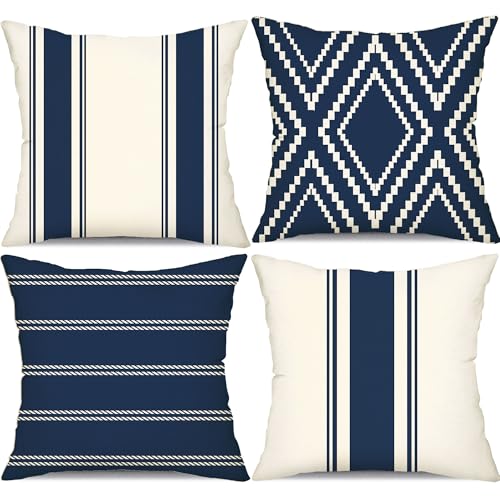
Outdoor Throw Pillows: The Complete Buying & Styling Guide
Turn a plain patio into a layered, welcoming retreat. Learn which fabrics, fills, sizes, and color combinations hold up outdoors — and how to style them like a designer.
Why outdoor throw pillows deserve careful thought: They are the fastest, most flexible way to refresh an outdoor room. A new set of accent pillows can shift a seating area from sparse to styled in minutes, soften hard furniture frames, and add the color story that ties a whole deck together. But unlike indoor cushions, outdoor throw pillows face sun, rain, chlorine, and pets. Choosing the right construction is what separates a pillow that lasts several seasons from one that fades or mildews after a few months. This guide walks through every decision — fabric, fill, size, closure, and styling — so you can buy once and enjoy for years.
What Makes a Throw Pillow Truly Outdoor-Ready?
A pillow labeled "outdoor" should survive three stressors: UV radiation, moisture, and abrasion. UV exposure breaks down dyes and fibers, causing faded patches and weakened seams. Moisture trapped in the fill creates mildew and odor. Abrasion from repeated sitting, pets, and moving cushions wears thin fabric quickly. A genuinely outdoor-ready pillow addresses all three through its cover fabric, its fill, and its construction details such as sealed seams and rust-resistant zippers.
Many shoppers assume any polyester pillow works outside. In practice, indoor polyester covers often lack the solution-dyed pigment and water-repellent finish that outdoor fabrics carry. The result is a pillow that looks fine on day one but shows sun-fading within a season. The sections below explain what to look for so you can evaluate any product on its merits rather than its label.
Choosing the Right Fabric for Outdoor Throw Pillows
Fabric is the single most important factor in how long an outdoor pillow looks good. The table below compares the main categories you will encounter, using tier descriptors rather than any numeric figures.
| Fabric Type | Tier | Best For | Key Traits |
|---|---|---|---|
| Solution-Dyed Acrylic | Premium / Top-Tier | Sun-exposed patios, long-term outdoor use | Color is locked into the fiber before weaving, so it resists fading; water-repellent and mildew-resistant; soft hand-feel |
| Olefin (Polypropylene) | Mid-Range to Premium | Poolside and humid climates | Naturally moisture-resistant and quick-drying; strong color retention; slightly firmer texture |
| Polyester Outdoor Weave | Entry-Level to Mid-Range | Covered porches, seasonal use | Wide color range; easy care; performance varies — look for UV-stabilized and water-repellent finishes |
| Cotton or Cotton-Blend Canvas | Entry-Level (indoor-leaning) | Shaded, covered areas only | Natural texture and matte look; absorbs moisture and fades faster unless treated; best brought inside during rain |
When comparing covers, check whether the product description mentions solution-dyed or UV-stabilized fibers. These phrases signal that color performance was engineered into the material rather than applied as a surface treatment. A water-repellent finish is also worth prioritizing — it causes rain to bead and roll off instead of soaking into the weave.
Texture tip: Outdoor fabrics can look flat compared with indoor textiles. Mix weaves — a smooth acrylic base pillow with a chunky basketweave or a subtly ribbed olefin accent — to add depth without relying on pattern alone.
Fill Options: Comfort That Survives the Weather
The fill determines how a pillow feels, how well it holds its shape, and how quickly it dries after a damp evening. There are three main categories worth knowing.
Polyester Fiberfill
This is the standard choice for outdoor throw pillows. Quality polyester fill is resilient, dries relatively quickly, and holds a plump shape. It is the most common fill you will find in mid-range outdoor pillows and is a dependable default for most patios. The main downside is that lower-grade fiberfill can compress over time with heavy use.
Quick-Dry Foam Inserts
Foam cores wrapped in fiberfill, sometimes called wrapped foam or quick-dry foam, give a firmer, more supportive feel. They are a strong fit for pillows used as back support on deep seating or bench cushions. Because foam can retain water if it becomes saturated, look for inserts described as open-cell or quick-drying.
Down and Down-Alternative
Genuine down is generally not recommended outdoors because it clumps when wet and takes a long time to dry. Down-alternative fills made from fine synthetic fibers mimic the plush look and are a reasonable premium choice for covered patios, provided the cover is water-resistant.
Shape retention: A well-specified mid-range insert often uses a combination of fiberfill and a stabilized core, which holds its shape better than an entry-level all-fiberfill insert. If your pillows get daily use, prioritize inserts described as high-loft or resilient.
Sizes and Shapes: Building a Layered Arrangement
Pillow sizing follows a simple principle: build from a base layer outward. On a typical outdoor sofa or sectional, a pair of larger square pillows forms the foundation, with smaller squares and lumbar shapes layered in front.
- 22 x 22 inches: A generous square that adds visual weight to deep seating and works well on large sofas.
- 20 x 20 inches: The most versatile square size; pairs naturally with an 18-inch accent in front.
- 18 x 18 inches: Standard accent size; ideal for chairs, loveseats, and layered arrangements.
- 12 x 20 inches (lumbar): Adds a horizontal line that breaks up squares; excellent for benches, settees, and lower-back support.
- 16 x 16 inches or smaller: Decorative accents and children's seating; use sparingly so the arrangement does not look cluttered.
A reliable starting formula for a two-seat outdoor sofa is two 20-inch squares plus one 12 x 20-inch lumbar in the center. For a larger sectional, repeat the grouping at each end so the arrangement reads as intentional from every angle.
Construction Details That Extend Lifespan
Beyond fabric and fill, several construction choices separate durable outdoor pillows from short-lived ones:
- Zippered covers: Removable covers are far easier to clean and to replace when a color fades. Look for hidden zippers with rust-resistant pulls.
- Sealed or reinforced seams: Double-stitched seams resist splitting under stress and slow moisture ingress.
- Piped edges: Piping adds structure and shape definition, and it reinforces the seam line.
- Water-repellent liners: An inner liner under the outer cover adds a second barrier against dampness.
- Reversible designs: Two-sided patterns or colorways double your styling options and let you rotate pillows to even out sun exposure.
Styling Outdoor Throw Pillows Like a Designer
Styling is where outdoor throw pillows earn their keep. A few practical guidelines keep arrangements looking curated rather than random.
Start With a Color Foundation
Anchor the palette to your furniture, decking, or surrounding landscape. A neutral sofa benefits from one dominant accent color plus one supporting neutral. If your outdoor space already features strong colors — a painted pergola, a patterned outdoor rug, or bright planters — keep pillows calmer so the eye has somewhere to rest.
Use the Rule of Odd Numbers
Grouping pillows in threes or fives generally reads more naturally than even pairs. On a single chair, one lumbar plus one square is a simple, effective combination. On a sofa, three pillows in graduated sizes create a gentle visual rhythm.
Mix Scale and Texture
Combine one large-scale pattern, one small-scale pattern, and one solid or textured weave. This classic formula prevents patterns from competing. For a subtler look, use an all-solid palette but vary texture — smooth, ribbed, and nubby weaves in the same color family.
Consider the Transition Indoors
Outdoor throw pillows that echo your indoor color story make the patio feel like an extension of the home. If your living room uses warm neutrals, carrying those tones outside creates continuity. If you plan to shop for complementary seating, browsing outdoor sofa options alongside your pillow selection helps you coordinate scale and tone from the start.
Quick styling formula: Two large squares in a solid or textured neutral, one medium square in a mid-scale pattern, and one lumbar in a bold accent color. Rotate the bold pillow each season for a fresh look without replacing the whole set.
Care and Maintenance for Long-Lasting Pillows
Even the best outdoor pillow benefits from a simple care routine. Brush off loose debris weekly, spot-clean stains promptly with mild soap and water, and check the manufacturer's care label before machine washing covers. Most solution-dyed acrylic and olefin covers tolerate machine washing on a gentle cycle, but air-drying is generally safer than heat drying, which can shrink seams and weaken water-repellent finishes.
During heavy rain or off-season months, bring pillows inside or store them in a ventilated, waterproof container. Prolonged dampness is the leading cause of mildew, and proper storage is the most effective preventive step. If you are planning a broader storage setup for cushions and textiles, a waterproof outdoor storage box for cushions keeps everything dry and organized.
Common Buying Mistakes to Avoid
- Buying indoor pillows for outdoor use. Indoor covers typically lack UV protection and water repellency, leading to rapid fading and mildew.
- Ignoring the fill specification. An entry-level fiberfill insert may look plump in the store but flatten after a season of daily use.
- Overloading a small seating area. More than three or four pillows on a two-seat sofa can crowd the space and make it harder to sit comfortably.
- Skipping the closure check. Non-removable covers are difficult to clean deeply and impossible to replace without discarding the whole pillow.
- Forgetting seasonal rotation. Rotating pillows periodically and bringing them in during storms dramatically extends usable life.
Pulling the Whole Outdoor Room Together
Throw pillows are rarely the only element in an outdoor seating area, and they look best when the surrounding pieces support them. Ground the arrangement with an anchor piece such as an outdoor sofa set, then layer in a side surface for drinks and small decor using an outdoor side table. Shade structures and lighting affect how colors read through the day, so consider browsing outdoor shade solutions and outdoor string lights as part of the same design plan. Coordinating these elements creates the cohesive, layered feel that makes an outdoor space feel finished.
Frequently Asked Questions
What are the best fabrics for outdoor throw pillows?
Solution-dyed acrylic, olefin, and UV-stabilized polyester are the strongest performers. They resist fading and moisture, and many covers are machine washable. Cotton and cotton blends look lovely but are best reserved for covered, shaded areas.
How do I choose the right fill for outdoor throw pillows?
Polyester fiberfill is the standard, offering good resilience and quick drying. Wrapped foam or quick-dry foam inserts provide firmer support and better shape retention for daily-use seating. Avoid genuine down outdoors because it clumps when wet.
Can outdoor throw pillows be left outside in the rain?
Weather-resistant covers and quick-dry fills handle light rain well, but prolonged downpours can still saturate the core. Bring pillows inside during heavy storms and store them in a ventilated, waterproof container during the off-season to prevent mildew.
What size outdoor throw pillows should I buy?
A versatile formula pairs a 20 x 20-inch square with an 18 x 18-inch accent. Lumbar pillows in 12 x 20 inches add variety and back support on benches and chairs. For deep sofas, 22-inch pillows provide visual weight.
How many throw pillows should I put on an outdoor sofa?
For a two-seat sofa, three pillows — two squares and one lumbar — is a balanced starting point. On larger sectionals, repeat the grouping at each end. Odd numbers tend to look more natural than even pairs.
Final Checklist Before You Buy
Use this short checklist to evaluate any outdoor throw pillow before adding it to your cart:
- Fabric: Does the description mention solution-dyed, UV-stabilized, or water-repellent fibers?
- Fill: Is it polyester fiberfill, quick-dry foam, or down-alternative — and does that match how the pillow will be used?
- Size: Does the pillow complement the scale of your sofa or chair, and does it fit a layered arrangement?
- Closure: Is the cover removable with a rust-resistant zipper for easy cleaning?
- Care: Does the care label match your routine — machine washable, spot clean only, or hand wash?
- Style: Does the color and pattern support the existing palette rather than compete with it?
With those six checks complete, you can choose outdoor throw pillows with confidence — knowing they will look good on day one and continue to perform through sun, rain, and everyday use.