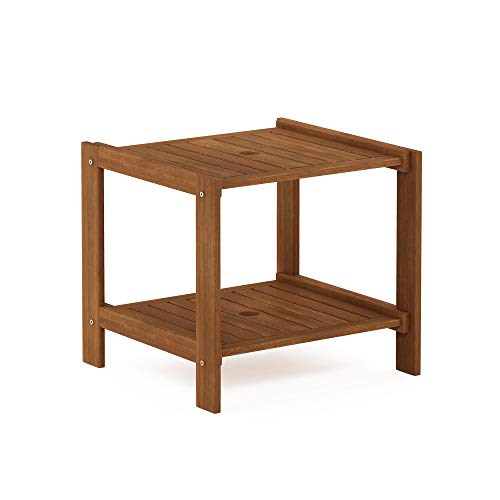
Wood Outdoor Coffee Table with Umbrella Hole: The Complete Buying Guide
Learn how to pair natural wood craftsmanship with built-in shade, choose the right size for your seating group, and keep your table beautiful through every season. Everything you need to decide with confidence.
Explore Recommended PicksWhy this table earns its place: A wood outdoor coffee table with umbrella hole solves two backyard problems at once — it anchors your lounge seating with warm, natural texture, and it lets you add shade exactly where guests gather. Instead of repositioning a freestanding umbrella every time the sun moves, the table holds the pole steady in the center of your conversation area. This guide walks you through wood species, hole sizing, structural bracing, and shade pairing so you can make a well-informed choice for your patio.
What Is a Wood Outdoor Coffee Table with Umbrella Hole?
A wood outdoor coffee table with umbrella hole is a low-profile patio table built from timber — typically teak, acacia, eucalyptus, or cedar — with a pre-drilled central opening designed to accept a patio umbrella pole. The hole is usually positioned precisely at the table's center of mass so the umbrella stands vertically without tilting, and it is often reinforced with a metal collar or grommet to prevent the pole from wearing away the wood over time.
These tables sit at coffee-table height, generally between 14 and 18 inches, making them ideal companions to deep-seat sofas, sectionals, and lounge chairs. Unlike a dining table with an umbrella hole, the coffee-table version is built for relaxed entertaining — drinks, trays, books, and a shared bowl of snacks — while the umbrella provides overhead relief from direct sun. If you are still mapping out your overall seating plan, our guide to wood patio furniture is a useful starting point for coordinating pieces.
How the Umbrella Hole Actually Works
The opening itself is deceptively simple, but the engineering behind it matters. Most tables use a hole diameter between 1.5 and 2 inches to accommodate standard umbrella poles. Some models include a removable plug so the table can be used flush when shade is not needed. Higher-quality builds add a stabilizing ring underneath the tabletop and a cross-brace near the base, which keeps a tall umbrella from swaying in gusty conditions. A few designs pair the hole with a weighted base plate that sits on the ground beneath the table, adding further resistance to tipping.
Why Choose Wood for an Outdoor Coffee Table?
Wood remains one of the most requested materials for outdoor living spaces, and for good reason. It brings warmth that metal and resin cannot replicate, it ages gracefully when properly maintained, and modern outdoor-grade species hold up well against sun and rain. A wooden table also pairs naturally with the rest of a timber-based patio collection — benches, Adirondack seating, and dining sets — creating a cohesive look across the yard.
Natural Warmth & Texture
Grain patterns and tone variation give each table a character that manufactured materials struggle to match, softening the look of concrete, stone, and metal surroundings.
Repairability
Scuffs and minor scratches can often be sanded and re-oiled rather than replaced, extending the usable life of the piece considerably.
Shade Integration
The umbrella hole turns a passive surface into an active shade hub, so your seating group stays comfortable without extra freestanding bases cluttering the patio.
Design Flexibility
Wood finishes range from pale, coastal tones to deep espresso stains, allowing the table to blend into rustic, modern, or transitional schemes.
If your patio leans toward woven or wicker seating, a wooden coffee table can still work beautifully as a grounding contrast — see our notes on wicker patio furniture for pairing ideas. And if you are building a full dining arrangement nearby, the same umbrella-hole logic applies to larger tables; our guide to a wood outdoor dining table with umbrella hole covers the dining-scale version of this setup.
Choosing the Right Wood Species
Not all outdoor wood is created equal. The species determines how well the table resists moisture, insects, and UV fading — and how much maintenance it will ask of you each year. The table below compares the most common options using neutral quality tiers rather than any numeric figures.
| Wood Species | Market Tier | Weather Resistance | Best For |
|---|---|---|---|
| Teak | Premium / luxury tier | Excellent — natural oils deter moisture and insects | Long-term investment patios and high-exposure locations |
| Eucalyptus | Mid-range | Very good — dense grain with natural oil content | Balanced tier shoppers wanting durability without luxury positioning |
| Acacia | Entry-level to mid-range | Good — needs periodic sealing in wet climates | Starter tier patios and covered porches |
| Cedar | Mid-range | Good — naturally rot-resistant but softer | Rustic and coastal styles with moderate sun exposure |
| Pine / Fir (treated) | Entry-level | Fair — relies on treatment and regular sealing | Essential tier setups and seasonal use |
Teak sits at the top of the durability ladder and is the species most often recommended for uncovered patios. Eucalyptus offers a strong middle ground with a tighter grain than acacia and better natural oil content. Acacia is widely used because it looks rich and holds up reasonably well when sealed; it is a solid choice for covered areas. Cedar brings a classic look but dents more easily, so it suits calm, low-traffic corners. Treated pine is the most accessible entry point but will need the most attention over the years.
Whichever species you select, plan on applying a quality finish at least once a year. Our guide to wood sealants explains how to pick a product that complements your table's natural tone rather than masking it.
Umbrella Hole Sizing and Pole Compatibility
This is the detail buyers most often overlook, and it is the one that causes the most frustration after delivery. Before you commit to a table, measure the pole diameter of the umbrella you intend to use — or plan to buy the umbrella and table as a matched pair.
Standard Hole Diameters
- 1.5-inch holes: Fit the slimmer poles found on many market umbrellas and compact shade canopies. Common on coffee tables because the opening stays visually subtle.
- 1.75-inch holes: A middle ground that accepts most residential patio umbrellas, including many crank-lift and tilt models.
- 2-inch holes: The widest common residential size, accommodating heavier poles and some commercial-grade umbrellas. Often reinforced with a metal grommet.
A hole that is too large will let the pole wobble, which stresses both the table and the umbrella hub. A hole that is too small simply will not accept your pole. If you already own an umbrella, bring its pole measurement with you when comparing tables — or choose a table that includes a reducing collar to adapt between sizes.
Structural Details That Separate Good Tables from Great Ones
Because the umbrella hole introduces a void in the center of the tabletop, the surrounding structure has to compensate. A well-built table distributes load around the opening and anchors the pole so the umbrella does not act like a lever in the wind. Look for these features when comparing models.
Reinforced Hole Collar
A metal or hard-plastic ring protects the wood from chafing and spreads stress around the opening instead of concentrating it on raw grain.
Cross-Brace or Apron
Under-table bracing keeps the top from racking when a tall umbrella catches the wind. Solid aprons are a strong indicator of durable construction.
Weighted Base Compatibility
Some tables are designed to sit over a ground-level umbrella base plate, dramatically improving stability for large canopies.
Removable Plug
A plug lets you close the hole when the umbrella is stored, keeping the tabletop flush and preventing debris from collecting inside.
Pay attention to joinery as well. Mortise-and-tenon and doweled joints outperform simple butt joints and screws over time, particularly in wood that expands and contracts with humidity. Hardware should be stainless steel or galvanized — ordinary steel fasteners will rust and stain the surrounding timber. If your table has a lower shelf or stretcher, check that the umbrella pole can pass through it or that the shelf has a corresponding opening.
Sizing the Table for Your Seating Group
A coffee table should sit roughly 14 to 18 inches from the front edge of your sofa or lounge chairs, and its height should be close to — or slightly below — the seat height. For deep-seat outdoor sofas, a tabletop height near 16 inches feels comfortable for reaching drinks and setting down trays.
| Seating Arrangement | Suggested Tabletop Size | Notes |
|---|---|---|
| Loveseat or two lounge chairs | 30–36 inch square or round | Round shapes soften tight corners and make it easier to walk past |
| Three-seat sofa | 40–48 inch rectangular | Length should be roughly two-thirds the sofa width |
| Sectional or L-shaped seating | 48–60 inch rectangular or a large round | A centered umbrella hole keeps shade balanced over the whole group |
If you are furnishing a compact balcony or narrow patio, consider a smaller footprint rather than skipping shade entirely. A round table with a slim profile preserves walking room while still holding an umbrella. Our coverage of wicker round coffee tables explores how round shapes behave in tight layouts — the same spacing principles apply when the table is wood.
Pairing the Table with the Right Umbrella
The table is only half the system. A poorly matched umbrella will wobble, lean, or provide shade in the wrong place. Start with canopy size: the umbrella should be wide enough to cover the seating group but not so large that it overwhelms a coffee-table footprint. For a typical two- to three-seat lounge arrangement, a canopy in the 7- to 9-foot range is usually appropriate; larger sectionals may warrant a cantilever or offset design.
Weight and base strategy matter just as much. Because a coffee table is low, the umbrella base often sits on the ground beneath the table rather than on the tabletop. Choose a base rated for the pole and canopy size, and confirm that the table's underside bracing or leg spacing allows the base to sit flat. Tilt and crank mechanisms are convenient for adjusting shade through the afternoon, but they add weight to the pole — check that the hole collar can handle the pole's outer diameter with the mechanism attached.
For a broader look at shade options across the patio, browse our resources on patio umbrellas and cantilever designs. If your plan includes a dining area nearby, the wood outdoor dining set with umbrella hole guide covers how to coordinate shade between the coffee and dining zones.
Care and Maintenance for a Long-Lasting Table
Wood outdoors needs a rhythm of care, but the routine is simple once established. A few seasonal habits will keep the surface smooth and the structure sound for years.
Seasonal Maintenance Routine
- Clean regularly: Wipe the surface with mild soap and water, and rinse away pollen and debris that trap moisture against the grain.
- Re-oil or seal annually: Apply a penetrating oil or film-forming sealant before the wet season. Pay extra attention around the umbrella hole, where water can collect.
- Inspect the collar: Check the metal ring or grommet for looseness or corrosion, and tighten or replace hardware as needed.
- Store the umbrella when not in use: Removing the umbrella during storms or long absences reduces wind load on the table and hole reinforcement.
- Use a cover in the off-season: A breathable cover keeps leaves and standing water off the surface without trapping condensation.
Minor scratches can be sanded lightly and re-oiled; deeper dents may need a filler matched to the wood tone. If your table has a slatted top, check that the gaps remain clear so water drains freely. For a full walkthrough of protective products and techniques, see our guide to wood furniture care.
Common Mistakes to Avoid
- Ignoring pole diameter: Buying the table first and discovering your umbrella does not fit is the single most common regret. Measure both sides of the equation.
- Underestimating wind load: A tall umbrella in a wide-open patio acts like a sail. Choose a table with solid bracing and pair it with an appropriate weighted base.
- Skipping the sealant: Even premium species benefit from annual protection, especially around the hole and end grain.
- Choosing the wrong height: A table that is too tall next to deep-seat sofas forces guests to reach awkwardly. Match tabletop height to seat height.
- Overlooking drainage: Slatted tops and clear hole channels prevent water damage that can go unnoticed until the wood softens.
Frequently Asked Questions
Can I use any patio umbrella in a wood coffee table with an umbrella hole?
Most residential umbrellas will fit if the pole diameter matches the hole size — commonly between 1.5 and 2 inches. Measure the pole's outside diameter before buying, and consider a table with a reducing collar if you plan to switch umbrellas over time.
Does the umbrella hole weaken the tabletop?
Not when the table is properly built. Quality tables reinforce the opening with a metal collar and add cross-bracing underneath to distribute load. The hole only becomes a problem in tables with thin tops and no internal reinforcement.
What is the best wood for an uncovered patio?
Teak is the most weather-resistant option, followed by eucalyptus. Acacia and cedar perform well with regular sealing, while treated pine is best suited to covered areas or seasonal use.
Can I leave the umbrella in the table year-round?
It is better to remove the umbrella during storms and off-season storage. Leaving a tall canopy in place exposes both the table and the umbrella to continuous wind load, which accelerates wear on the hole reinforcement and joints.
How do I keep water out of the umbrella hole?
Use a removable plug when the umbrella is not in use, ensure the hole has a drain path, and check that the collar sits flush. Tipping the table slightly after rain helps any trapped moisture escape.