Wood Patio Furniture: The Complete Buying Guide
Wood patio furniture brings warmth, natural texture, and timeless character to any outdoor space. Whether you are furnishing a compact balcony or a sprawling backyard deck, understanding the different wood species, construction methods, and maintenance requirements is the key to making a confident purchase. This guide walks you through the essential considerations so you can choose pieces that will serve your family for many seasons.
In This Guide
Why Choose Wood Patio Furniture?
Wood has been the material of choice for outdoor furniture for centuries, and for good reason. Unlike metal, which can become uncomfortably hot in direct sun, or plastic, which may fade and become brittle over time, quality hardwood offers a natural feel that stays comfortable across temperature swings. Wood also develops a beautiful patina as it ages, giving your outdoor space a lived-in character that synthetic materials struggle to replicate.
Beyond aesthetics, wood furniture is remarkably versatile. It pairs naturally with cushions in any color palette, works across design styles from rustic farmhouse to modern minimalist, and can be refinished or repaired rather than replaced. A well-built wooden dining set or wood adirondack chair is a long-term investment that grows more attractive with proper care.
- Natural aesthetic: Wood grain adds warmth and texture that elevates any outdoor setting.
- Comfort in all temperatures: Wood stays pleasant to the touch, unlike metal or plastic.
- Repairability: Scratches and dings can often be sanded and refinished.
- Design versatility: Blends with coastal, rustic, modern, and traditional styles.
- Timeless appeal: Quality wood pieces age gracefully and rarely go out of style.
Comparing Wood Species for Outdoor Use
Not all wood is created equal when it comes to outdoor performance. The species you choose directly affects durability, maintenance frequency, appearance, and overall longevity. Below are the most common wood types used in patio furniture, organized by their position in the market.
Teak — Top-Tier Natural Durability
Teak is widely regarded as the flagship wood for outdoor furniture. Its dense grain and high natural oil content make it naturally resistant to moisture, rot, and insects without any chemical treatment. Teak weathers to a elegant silver-gray patina if left untreated, or can be oiled to maintain its golden-brown hue. It is the most forgiving wood for year-round outdoor exposure, though premium teak pieces represent a significant long-term investment. Look for plantation-grown teak for sustainability.
Eucalyptus — Mid-Range with Excellent Weather Resistance
Eucalyptus (often sold as "Brazilian teak" or "Lyptus") is a dense hardwood with natural oils that provide strong resistance to moisture and decay. It is more dimensionally stable than many alternatives and offers a similar visual warmth to teak at a more accessible position in the market. Eucalyptus is an excellent mid-range choice for those who want hardwood performance without the top-tier commitment. A eucalyptus wood dining table with bench is a practical and attractive option for family patios.
Acacia — Balanced Mid-Tier Option
Acacia has surged in popularity for outdoor furniture thanks to its striking grain patterns and natural resistance to rot and insects. It is a dense wood that performs well in dry and moderate climates. The main caveat is that acacia can expand and contract with humidity changes, so quality construction and regular oiling are important. It sits comfortably in the mid-tier category and offers good value for its class. An acacia wood patio set can be a centerpiece for years with proper care.
Cedar — Entry-Level to Mid-Tier Classic
Cedar is a traditional favorite for outdoor furniture, valued for its natural aroma, light weight, and resistance to decay. It is softer than teak or eucalyptus, which means it can dent more easily, but it also makes pieces easier to move and rearrange. Cedar requires more frequent sealing—typically annually—to maintain its appearance and protect against moisture. A cedar wooden garden bench is a charming and classic addition to any garden.
Pine — Entry-Level with Care Requirements
Pine is the most accessible wood option, often used in entry-level outdoor furniture. It is lightweight and easy to work with, but it is also the softest of the common outdoor woods and requires diligent sealing to prevent rot and insect damage. Pine furniture can last many years with consistent maintenance, but it is best suited to covered porches or milder climates. It is an excellent starting point for those furnishing a first patio.
Tier Comparison at a Glance
The table below summarizes how the major wood species compare across the factors that matter most to buyers. Use it as a quick reference when evaluating specific products.
| Wood Species | Market Tier | Weather Resistance | Maintenance Level | Best For |
|---|---|---|---|---|
| Teak | Top-Tier | Excellent — natural oils resist moisture and rot | Low — occasional cleaning, optional oiling | Year-round outdoor exposure, premium patios |
| Eucalyptus | Mid-Range | Very good — dense grain with natural oils | Moderate — annual sealing recommended | Family dining sets, high-use patios |
| Acacia | Mid-Tier | Good — resistant to rot and insects | Moderate — regular oiling helps stability | Stylish dining and lounge pieces |
| Cedar | Entry-to-Mid | Good — naturally decay-resistant but softer | Higher — annual sealing essential | Covered porches, garden benches |
| Pine | Entry-Level | Moderate — requires diligent protection | High — frequent sealing and care | First patios, sheltered areas |
Choosing the Right Wood Pieces for Your Space
Once you have settled on a wood species, the next step is selecting the pieces that fit your outdoor lifestyle. Consider how you use your space: do you host large dinners, prefer quiet mornings with coffee, or need flexible seating for guests? The right combination of pieces will depend on your answers.
Dining and Entertaining
A wooden dining set anchors the social life of your patio. Rectangular tables accommodate larger groups and pair well with benches for a relaxed, communal feel. Round tables encourage conversation and work well in smaller spaces. Consider a wood outdoor dining set with umbrella hole if your patio receives strong midday sun. For compact spaces, a wood kitchen table with bench and chairs can serve double duty indoors and out.
Lounge and Relaxation
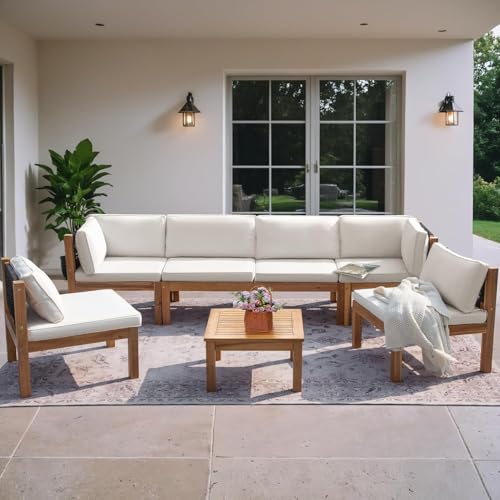
For lounging, consider a wood chaise lounge for sunbathing, a wooden porch swing for gentle rocking, or a wooden rocking chair for quiet evenings. A wood outdoor coffee table with umbrella hole pairs beautifully with a sofa or sectional to create a conversation area.
Accent and Utility Pieces
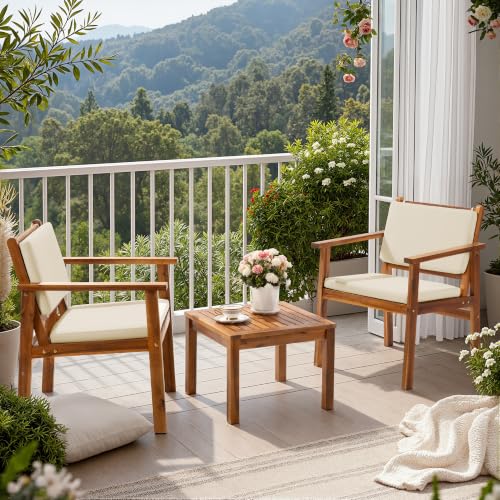
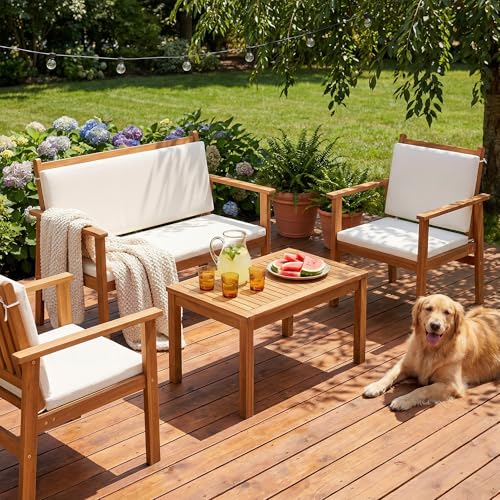
Don't overlook the smaller pieces that make a patio feel complete. A wooden garden table can hold drinks and snacks between lounge chairs, while a wood picnic table is ideal for casual family meals. For a classic touch, a wooden bench with back adds both seating and visual interest.
Specialty Pieces
If you have the space, a wooden arbour for garden creates a stunning focal point, and a wooden bench that turns into a picnic table offers remarkable versatility for smaller yards. A wooden swing bench is a delightful addition to a porch or garden nook.
Construction and Joinery: What to Look For
The way a piece of furniture is assembled is often more important than the wood species itself. Well-executed joinery ensures stability, prevents wobbling, and extends the life of the piece. Here are the key construction details to inspect before purchasing.
- Mortise-and-tenon joints: The gold standard for wooden furniture—strong, durable, and resistant to loosening over time.
- Stainless steel or galvanized hardware: Prevents rust stains and structural failure in wet conditions.
- Kiln-dried wood: Reduces moisture content and minimizes cracking, warping, and shrinking after assembly.
- Reinforced stress points: Check corners, armrests, and leg joints for additional bracing or brackets.
- Sandwich or laminated construction: Can be acceptable if well-bonded, but solid wood is generally preferred for longevity.
- Consistent grain alignment: Indicates careful milling and attention to quality control.
If you are comparing options, prioritize pieces that specify their joinery method and hardware material. A wooden garden furniture set with clearly documented construction is a safer choice than one with vague specifications.
Care and Maintenance for Wood Patio Furniture
Wood patio furniture rewards consistent care with years of reliable service. The specific routine depends on the species, but the core principles apply across the board: keep it clean, protect it from standing water, and renew its protective finish periodically.
Routine Cleaning
Wipe down surfaces with a damp cloth and mild soap solution every few weeks during the outdoor season. Avoid abrasive cleaners and pressure washers, which can damage the wood grain and strip protective finishes. For deeper cleaning, use a soft-bristle brush and rinse thoroughly.
Sealing and Oiling
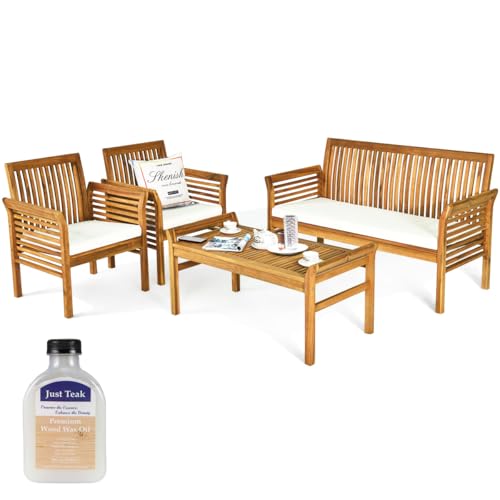
Most wood furniture benefits from an annual application of a quality wood sealant or furniture oil. Teak can often go longer between treatments, while cedar, pine, and acacia typically need annual attention. Apply sealant to clean, dry wood and follow the product instructions for best results. Always check the weather forecast—avoid applying sealant before rain.
Seasonal Protection
During winter or extended periods of disuse, cover furniture with breathable covers or store it in a dry, sheltered area. Elevate pieces off the ground to prevent moisture absorption and allow air circulation. If you live in a region with harsh winters, storing cushions and smaller pieces indoors is strongly recommended.
Dealing with Mold and Mildew
If you notice mold or mildew, clean it promptly with a mild soap-and-water solution or diluted white vinegar. Scrub gently with a soft brush, rinse, and allow the furniture to dry completely in the sun before resealing. Avoid bleach on bare wood, as it can damage the grain and leave discoloration.
- Clean spills promptly to prevent stains from setting.
- Inspect hardware periodically and tighten any loose screws or bolts.
- Touch up scratches with matching wood stain or oil to prevent moisture intrusion.
- Store cushions indoors when not in use to extend their life.
- Avoid dragging furniture across hard surfaces—lift and carry instead.
Buying Checklist
Before you finalize your purchase, run through this checklist to ensure you are making a well-informed decision.
- Confirm the wood species: Ask the seller directly—don't rely on vague marketing terms like "hardwood."
- Check the joinery: Look for mortise-and-tenon or doweled joints, not just screws or staples.
- Verify hardware material: Stainless steel or galvanized hardware is essential for outdoor use.
- Measure your space: Ensure the pieces fit comfortably with room to move around. Leave at least 36 inches for walkways.
- Consider climate: Match the wood species to your local weather patterns and sun exposure.
- Plan for maintenance: Budget time for annual sealing or oiling—it is part of owning wood furniture.
- Review the warranty: A meaningful warranty signals manufacturer confidence in durability.
- Read customer feedback: Look for comments on long-term performance, not just initial impressions.
Frequently Asked Questions
What is the best wood for patio furniture?
Teak is widely considered the top-tier choice for wood patio furniture thanks to its natural oils and dense grain, which resist moisture and rot. Acacia and eucalyptus are excellent mid-range options with strong weather resistance, while cedar and pine sit in the entry-level to mid-tier range and require more frequent sealing but offer attractive grain and lighter weight.
How often should wood patio furniture be sealed?
Most wood patio furniture benefits from sealing once a year, ideally before the outdoor season begins. Teak can often go longer between treatments because of its natural oils, while cedar, pine, and acacia typically need annual sealing to maintain their appearance and weather resistance. In harsh climates, twice-yearly sealing may be advisable.
Can wood patio furniture stay outside in winter?
Teak and other dense hardwoods can often remain outdoors year-round in mild climates, though covering them during extreme weather is still recommended. Softer woods like cedar and pine benefit from being stored or covered during winter. Always ensure furniture is dry before covering, and elevate pieces to avoid standing water.
Is acacia wood good for outdoor furniture?
Yes, acacia is a solid mid-range choice for outdoor furniture. It is dense, water-resistant, and naturally resistant to rot and insects. It does tend to expand and contract with humidity changes, so quality construction and regular oiling are important. It offers a good balance of durability and appearance within its class.
How do I remove mold from wooden patio furniture?
Mix a solution of mild soap and water, or a diluted white vinegar solution, and scrub the affected area with a soft-bristle brush. Rinse thoroughly and allow the furniture to dry completely in the sun before applying a fresh coat of sealant or oil. Avoid harsh bleach solutions on bare wood, as they can damage the grain.
Whether you are drawn to the natural elegance of teak or the practical appeal of a well-built eucalyptus set, wood patio furniture offers a combination of comfort, durability, and timeless style that is hard to match. Use this guide as your reference point, inspect construction carefully, and commit to a simple care routine—your outdoor space will reward you for years to come. Explore our related guides on wood furniture care, wooden outdoor chairs, and wooden outdoor sofas to continue your research.