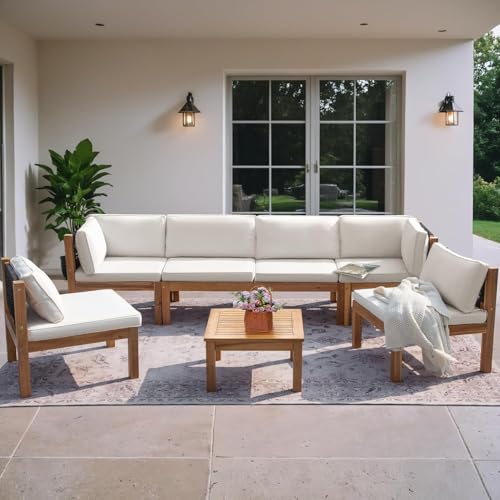
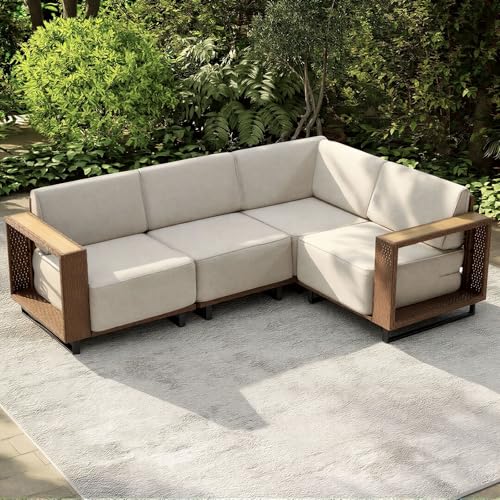
Wooden Garden Furniture Set: The Complete Buyer's Guide
Everything you need to know before investing in a wooden garden furniture set—wood types, durability, care routines, layout planning, and how to choose a set that lasts for years.
Explore Top PicksWhy this guide matters: A wooden garden furniture set is one of the most significant outdoor purchases you will make. Unlike metal or resin, wood brings warmth, timeless character, and a natural connection to your garden landscape. But the right choice depends entirely on the wood species, your climate, your maintenance willingness, and the space you have.
Whether you are furnishing a compact balcony or a sprawling backyard, this guide breaks down the key factors so you can buy with confidence and avoid common mistakes.
Why Choose a Wooden Garden Furniture Set?
Wooden garden furniture has been a staple of outdoor living for centuries—and for good reason. A well-constructed wooden set offers a combination of aesthetics, durability, and comfort that few other materials can match.
- Timeless aesthetic: Wood naturally complements plants, lawns, and stone. It blends into a garden rather than competing with it.
- Warmth and comfort: Unlike metal, wood does not become uncomfortably hot in direct sun or painfully cold in the evening.
- Repairability: Scratches and minor damage on wooden furniture can often be sanded and re-oiled, extending its lifespan significantly.
- Sustainability: Many hardwoods are sourced from responsibly managed plantations, making wood a renewable material choice.
- Long-term durability: Quality hardwood sets can last decades with proper care, making them a worthwhile long-term investment.
That said, not all wooden sets are created equal. The species of wood, joinery quality, and finish treatment all determine how well a set will perform over time. Understanding these factors is the foundation of smart buying.
Wood Types Compared: Which Species Is Right for You?
The wood species is the single most important factor in determining durability, appearance, and maintenance needs. Here are the most common options you will encounter.
Teak
The gold standard for outdoor furniture. Natural oils make it exceptionally resistant to rot, water, and pests. Develops a beautiful silver-grey patina if left untreated. Long-term investment that can last generations with minimal care.
Iroko (African Teak)
A dense, durable hardwood often used as a teak alternative. Similar weather resistance and a rich golden-brown color. Slightly harder to work but performs excellently outdoors. Good value for its tier.
Acacia
Increasingly popular for its beautiful grain and natural resistance to moisture and insects. Denser and harder than many alternatives at this tier. Requires occasional oiling to maintain its warm tone, but very durable overall.
Eucalyptus
An excellent choice for environmentally conscious buyers. Naturally resistant to rot and pests, with a smooth, dense grain. Weathers to a silver-grey tone. Feature-rich for its class and widely available in complete sets.
Pine & Fir
Softer woods that are easy to work with but require regular treatment to resist moisture. Often treated with pressure-preservation methods. A starter-tier option best suited to covered patios or mild climates.
Robinia (Black Locust)
A fast-growing European hardwood with rot resistance comparable to teak. Very hard and durable, with a warm honey tone. An excellent mid-tier option for buyers who want hard-wearing natural wood.
Quick takeaway: For a long-term investment, prioritize teak, iroko, or robinia. For a balanced combination of durability and design, acacia and eucalyptus offer strong performance. Softwoods like pine suit covered spaces or seasonal use.
At-a-Glance Comparison
Use this table to quickly compare the most common wood species across the factors that matter most.
| Wood Species | Tier | Weather Resistance | Maintenance Level | Best For |
|---|---|---|---|---|
| Teak | Top-tier | Exceptional | Low (optional oiling) | Long-term investment, uncovered patios |
| Iroko | High-end tier | Excellent | Low to moderate | Teak alternative, humid climates |
| Acacia | Mid-range | Very good | Moderate (annual oiling) | Balanced tier, family gardens |
| Eucalyptus | Mid-range | Very good | Moderate | Eco-conscious buyers, modern designs |
| Robinia | Balanced tier | Excellent | Low to moderate | European hardwood lovers |
| Pine / Fir | Entry-level | Moderate (treated) | High (regular sealing) | Covered patios, seasonal use |
How to Choose the Right Wooden Garden Furniture Set
Selecting a set is not just about picking a beautiful design. The best set for you depends on how you plan to use your outdoor space, the size of your garden, and the climate in your region.
1. Measure Your Space First
Before browsing, measure your patio or deck dimensions and note doorways and pathways. Allow at least 24 inches of clearance around the table for chairs to pull in and out comfortably. For a four-seater dining set, plan for a table around 35 to 47 inches long. A six-seater typically needs 59 to 71 inches. You can explore options like a wooden garden table and chairs set as a classic starting point, or consider a wood outdoor dining set with umbrella hole if you need shade.
2. Decide on Your Primary Use
Will you host regular family meals, or do you need a quiet corner for morning coffee? Dining sets prioritize table space, while lounge configurations prioritize comfort. If you entertain often, a wooden dining table with bench and chairs offers flexible seating. For relaxing, a wooden outdoor sofa paired with a wood outdoor coffee table with umbrella hole creates a balanced living-room feel outdoors.
3. Consider Climate and Exposure
If your garden is fully exposed to rain and sun, hardwoods like teak or acacia are the safer bet. If your patio is covered or in a mild climate, treated pine can serve well at the entry level. Coastal areas demand rust-resistant hardware and rot-resistant wood species. For more on material behavior, see our wood furniture care guide.
4. Think About Seating Numbers
A two-to-four-seater set is ideal for couples and small families. A six-to-eight-seater set suits those who host gatherings. Modular sets allow you to expand later. Benches are space-efficient alternatives—a wooden bench with back for dining table can seat multiple guests while saving on footprint.
5. Check Joinery and Hardware
Inspect how the furniture is assembled. Mortise-and-tenon joinery and stainless steel or galvanized hardware indicate quality. Screws should be recessed and weather-treated. Avoid sets with visible staples or weak corner blocks.
Ready to Compare Sets?
Browse our curated selection of wooden garden furniture sets below—filtered for quality construction and weather resistance.
View Recommended SetsWooden Garden Furniture Care & Maintenance
Proper care dramatically extends the lifespan of any wooden garden furniture set. The exact routine depends on the wood species, but the principles are the same across the board.
Cleaning Routine
- Wipe down surfaces weekly with a damp cloth to remove dust and pollen.
- For deeper cleaning, use mild soapy water and a soft brush—never a pressure washer on untreated wood.
- Rinse thoroughly and dry with a clean towel to prevent water spots.
Protective Treatments
- Apply a quality wood sealant or furniture oil once or twice per year—ideally at the start of the season and before winter.
- Teak can be left to weather to a silver-grey patina if you prefer that look, but oiling preserves its golden tone.
- Always test any treatment on a hidden area first to confirm color compatibility.
Winter Protection
- Use breathable waterproof covers during wet and cold months.
- Elevate furniture slightly off damp ground to allow airflow.
- Store cushions indoors to prevent mold and mildew buildup.
- Inspect for loose screws and tighten them before the season changes.
Pro tip: Wood expands and contracts with humidity. If doors or drawers on any wooden piece become stiff in wet weather, do not force them—allow the wood to acclimate. This is normal behavior for natural material.
Layout Ideas for Your Wooden Set
How you position your wooden furniture set determines how much you actually use it. Here are three proven layouts.
Dining-Focused Layout
Center a rectangular wooden garden table on your patio, with chairs on all sides. Add a wooden garden bench along one edge if space allows. This works best for families who eat outdoors regularly.
Lounge-Focused Layout
Anchor the space with a coffee table, flank it with seating, and orient toward a focal point—a fire pit, a view, or a water feature. A wood chaise lounge can add a relaxation zone nearby. This layout suits relaxed evening gatherings.
Compact & Flexible Layout
For small patios or balconies, choose a bistro-style set or a bench that converts. A wooden bench that turns into a picnic table is a clever space-saving choice. Pair with a wicker side table for drinks and a small planter for greenery.
Common Buying Mistakes to Avoid
- Not measuring the space first. A set that looks right online can overwhelm a small patio or feel cramped once chairs are pulled out.
- Ignoring the wood species. Two sets can look identical but perform very differently after a season of rain and sun.
- Skipping the maintenance plan. Any wooden set requires some care. If you are not willing to oil or seal annually, choose a low-maintenance species like teak.
- Overlooking cushion storage. Cushions left out in rain degrade quickly. Plan where you will store them.
- Buying without checking hardware. Rust-prone screws and bolts are a common failure point. Confirm stainless or galvanized hardware.
- Forgetting about shade. A dining set without an umbrella or overhead structure becomes unusable at midday in summer.
- Ignoring the return policy. Large furniture returns are difficult. Check warranty and return terms before ordering.
Frequently Asked Questions
What is the most durable wood for garden furniture?
How often should I oil my wooden garden furniture?
Can wooden garden furniture stay outside in winter?
What size garden furniture set do I need?
How do I prevent wooden garden furniture from rotting?
Final Thoughts
A wooden garden furniture set is more than a purchase—it is an investment in how you experience your outdoor space. By focusing on the wood species, joinery quality, and a realistic maintenance plan, you can choose a set that will serve your family for many seasons. For complementary pieces, browse our guides on wooden outdoor chairs and wooden porch swings to complete your outdoor retreat.
Take your time, measure carefully, and prioritize material quality over short-term trends. Your future self—and your garden—will thank you.