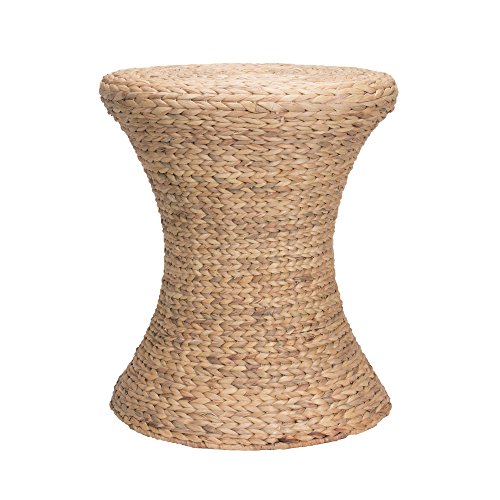
Wicker Side Table: The Complete Outdoor Buying & Style Guide
Everything you need to choose a wicker side table that fits your patio, holds up to the weather, and looks right beside your favorite lounge chair or sofa.
Material comparisons, size guidance, style pairings, and care tips for confident buying.
Why this guide matters: A wicker side table is one of the smallest pieces of outdoor furniture you will buy, yet it does a lot of work. It holds your drink, your book, and your phone within easy reach, and it quietly ties a seating group together. Because it sits outside all season, the material and construction matter far more than the small footprint suggests. This guide walks you through those details so you can buy once and enjoy it for years.
What a Wicker Side Table Actually Does for Your Patio
Think of a side table as the finishing piece in an outdoor seating area. A lounge chair alone gives you a place to sit; a lounge chair with a wicker side table beside it becomes a place to settle in. The table creates a natural landing spot and visually anchors the chair so the arrangement feels intentional rather than scattered.
There are three common placement patterns worth considering:
- Beside a lounge chair or chaise. The classic use, ideal for a drink, sunglasses, and a paperback within arm's reach.
- Between two chairs as a shared table. A slightly larger top lets two people share the surface without reaching awkwardly.
- At the end of a sofa or sectional. Functions like an outdoor end table and helps balance a deep seating group so the sofa does not feel like it is floating.
Because a wicker side table is compact, it is also one of the easiest ways to add texture to a space that might otherwise be all metal and glass. The woven surface brings warmth and a handcrafted feel that pairs naturally with wood, fabric cushions, and greenery.
Natural Rattan vs. Synthetic Wicker: The Decision That Matters Most
The single most important choice you will make is the weave material. Both options are sold as "wicker," but they behave very differently outdoors.
Natural Rattan and Cane
Natural rattan is a vine material that has been woven for generations. It looks beautiful, ages into a warm honey tone, and carries a handmade character that synthetic versions can only imitate. The trade-off is exposure. Natural rattan absorbs moisture, can dry out and crack in intense sun, and needs to be brought under cover during heavy rain or extended wet seasons. It works well on a covered porch or a sunroom where it is protected from direct weather.
Synthetic Resin Wicker (All-Weather Wicker)
Synthetic wicker is made from extruded resin strands woven over a metal or wood frame. Modern versions are engineered to resist moisture, fading, and temperature swings, which makes them the practical pick for open patios, decks, and poolside areas. Color options range from natural rattan tones to grays, whites, and deep browns, and the weave quality on mid-tier and high-end pieces is convincing enough that guests often cannot tell it apart from the real thing at a glance.
If your table will sit in full sun or take rain, synthetic wicker is the safer long-term investment. If it will live on a covered porch and you value the authentic look, natural rattan is a worthwhile choice for a sheltered spot. You can learn more about weather-friendly material choices in our guide to sustainable materials.
Frame Construction: What to Look For Under the Weave
The weave gets the attention, but the frame determines whether the table stays square and stable over time. Three frame types dominate the market:
- Powder-coated aluminum. The most common frame for outdoor wicker. Lightweight, rust-resistant, and easy to move. A well-coated aluminum frame is a solid choice for most patios.
- Steel. Heavier and very stable, with a substantial feel. Look for a rust-proof finish and sealed joints, since any exposed steel can corrode over time.
- Wood or engineered wood. Found on some premium and natural rattan pieces. Offers a warm look but requires more attention to moisture and sealing.
Whichever frame you choose, check that the weave is tight and uniform, with no loose strands or visible gaps at the corners. A tightly woven table resists sagging and keeps its shape through seasonal changes. Good value for its tier often comes down to these small construction details rather than any single headline feature.
Size and Height: Getting the Proportions Right
A side table that is too tall or too short is uncomfortable every single time you use it, so measure before you buy. The general rule is to match the tabletop to within a couple of inches of the seat height of the chair or sofa it will sit beside.
| Table Type | Typical Top Size | Typical Height | Best For |
|---|---|---|---|
| Compact accent table | 14–16 inches across | 18–20 inches | Tight balconies and small patio corners |
| Standard side table | 16–20 inches across | 18–22 inches | Beside most lounge chairs and armchairs |
| Shared side table | 20–24 inches across | 18–22 inches | Between two chairs or at the end of a sofa |
| Drum or barrel style | 16–20 inches across | 20–24 inches | Pairing with taller seating and deep sofas |
Also think about clearance. Leave roughly 18 inches of walking space around the table so people can move past without sidestepping. On a narrow balcony, a round table with a slightly smaller top often works better than a square one because it softens the visual footprint. If you are fitting out a compact space, our guide to the small outdoor patio table with umbrella hole covers how to combine a table with shade in limited square footage.
Styles and Shapes That Pair Well With Wicker
Wicker side tables come in a handful of recognizable shapes, and each one suits a different kind of seating arrangement.
Round and Drum Tables
Round tops are the most versatile choice. They have no sharp corners to bump into, they work beside almost any chair, and the circular form softens a patio that is full of straight lines. Drum-style tables, which are essentially a woven cylinder with a solid top, add a sculptural element and often include a lower shelf or open interior for storage.
Square and Rectangular Tables
Square tops maximize usable surface area in a compact footprint, which makes them a good fit between two chairs or tucked beside a sofa. Rectangular versions work well as a small end table at the arm of a deep sectional.
Nesting Tables
Nesting wicker tables offer flexibility: pull out the smaller table when guests arrive, then tuck it back under when the patio is quiet. They are a smart option for anyone who entertains occasionally but wants to keep the everyday footprint small.
Tables With Shelves or Storage
A lower shelf gives you a spot for a planter, a stack of magazines, or a small lantern. Some designs include a lift-off top with a hidden compartment, which is handy for keeping small items out of the weather. If storage is a priority across your whole patio, browse our broader collection of wicker patio furniture for pieces that coordinate with the same weave and frame finish.
Tops and Finishes: Glass, Wood, and Everything Between
The tabletop decides how the piece feels in use. Each option has a clear personality:
- Tempered glass. Clean, light, and easy to wipe down. It reflects light and keeps a small patio feeling open. Choose tempered glass for safety, and check that it sits on rubber bumpers to reduce rattling.
- Solid wood or wood-look. Warm and substantial, with a surface that handles mugs and plates without the careful placement glass sometimes demands. Teak and acacia are common outdoor choices; our teak furniture guide explains why teak holds up so well outside.
- Woven or closed-weave top. Some tables continue the wicker weave across the top for a fully cohesive look. These are stylish but usually best under a covered area, since standing water can collect in the weave.
- Stone or composite tops. Heavy and stable, often found on higher-tier pieces. They resist wind lift well but make the table harder to move.
Finish color matters too. Natural honey and light brown tones blend with wood and greenery, while gray and white weaves read as more modern and pair nicely with metal accents. A dark brown or espresso weave adds contrast against light paving.
How a Wicker Side Table Fits Into a Larger Seating Group
The best outdoor rooms are built from pieces that share a common thread, whether that is weave texture, frame color, or cushion fabric. A wicker side table is an easy way to carry that thread across a seating area. A few pairing ideas:
- With wicker lounge chairs. Matching weave creates a cohesive set that looks deliberate. Our guide to wicker porch chairs covers chair styles that pair naturally with side tables.
- With a wicker sofa or sectional. Place a larger side table at one or both ends to balance the sofa's visual weight.
- With a round coffee table. If you already have a wicker round coffee table at the center of the group, a matching side table extends the same material language to the edges of the arrangement.
- With a wicker patio set. Buying within a coordinated set removes all the guesswork. Browse wicker patio sets to see how side tables are typically bundled.
- As a standalone accent. A single wicker side table beside a metal or wood chair adds texture without overwhelming the space.
If you are furnishing a sunroom or enclosed porch rather than an open patio, the same principles apply, and our wicker sunroom furniture guide covers the slightly different considerations for indoor-outdoor spaces.
Tier Comparison: What Changes as You Move Up the Market
Wicker side tables are available across a wide range of quality levels. Instead of focusing on any specific figure, it helps to understand what each tier typically delivers so you can decide where your priorities lie.
| Tier | Typical Construction | Best For | What to Expect |
|---|---|---|---|
| Entry-level | Thinner resin weave over a lightweight frame; simpler joinery | Seasonal use, balconies, starter patios | Good for occasional use; inspect the weave density carefully before buying |
| Mid-range | Denser weave, powder-coated aluminum or sealed steel frame, finished edges | Everyday family patios and covered porches | Balanced tier with noticeably tighter construction and better color retention |
| Premium | High-density weave, reinforced frame, quality top materials, sealed feet | Full-season outdoor living and design-led spaces | Feature-rich for its class, with smoother finishes and better long-term durability |
| Luxury / professional-grade | Hand-finished weave, commercial-grade frame, premium stone or teak tops | Hospitality-style patios and high-traffic outdoor rooms | A long-term investment built to hold up to constant use and full weather exposure |
In practice, the jump from entry-level to mid-range usually brings the biggest improvement in day-to-day feel: tighter weave, steadier footing, and a finish that stays true through a full season. Moving from mid-range to premium tends to improve the small details, like concealed hardware and smoother tabletop edges. Both are solid choices depending on how hard your patio works.
Care and Maintenance for a Long-Lasting Wicker Side Table
Wicker is low-maintenance, but a little routine care goes a long way, especially for synthetic pieces in full weather.
Seasonal Care Checklist
- Weekly during pollen season: Rinse with a garden hose and wipe down with a soft cloth to keep the weave from trapping debris.
- Monthly: Wash with mild soapy water and a soft brush, then rinse and dry thoroughly, including the underside and feet.
- Before storms: Move lightweight tables under cover or secure them so wind does not tip them over.
- Off-season: Use a fitted cover or store the table in a dry shed or garage to keep moisture and dust out of the weave.
- Check hardware: Tighten any visible bolts or screws at the start of each season to keep the frame solid.
Avoid abrasive cleaners, bleach, and high-pressure washing, all of which can dull the finish or loosen the weave. For natural rattan, keep the table out of standing water and consider a light sealant if it lives in a humid climate. If your table has a glass top, lift it occasionally and clean underneath so grit does not scratch the surface.
Common Buying Mistakes to Avoid
- Skipping the measurement step. Buying before checking seat height is the most common cause of a table that feels awkward to use.
- Assuming all wicker is weatherproof. Natural rattan and synthetic resin wicker need very different placement. Match the material to where the table will actually live.
- Ignoring wind. Lightweight tables on an exposed deck can tip in a gust. Heavier tops or a design with a lower shelf help stability.
- Overlooking the feet. Small feet that sit in standing water will wear first. Look for sealed or raised feet on tables that sit on hard paving.
- Mismatching scale. A tiny accent table beside a deep sectional looks lost, while an oversized table crowds a small chair. Proportion matters more than the table on its own.
If you are still mapping out the rest of your space, it helps to browse related pieces like wicker rocking chairs and wicker storage benches to see how a side table can complete a coordinated wicker grouping.
Frequently Asked Questions
Is a wicker side table suitable for outdoor use?
Yes, provided it is made from synthetic resin wicker rather than natural rattan. Synthetic wicker resists moisture, UV rays, and temperature swings, making it well suited to patios, decks, and porches.
What size wicker side table works best beside a lounge chair?
A table with a top around 16 to 20 inches across and a height of 18 to 22 inches usually sits comfortably beside most lounge chairs. Measure your chair's seat height and aim to match the tabletop within a couple of inches for easy reach.
How do I clean and maintain a wicker side table?
Rinse with a garden hose, wipe with a soft brush and mild soapy water, then dry thoroughly. Avoid abrasive cleaners and high-pressure washing. During extended off-season storage, use a fitted cover to keep dust and moisture out of the weave.
Should I choose natural rattan or synthetic wicker?
Natural rattan offers a warm, artisanal look but needs shelter from direct rain and prolonged sun. Synthetic wicker is the more practical choice for fully exposed outdoor spaces because it is engineered for weather resistance and holds its color longer.
Can a wicker side table double as a small coffee table?
A larger side table, around 20 to 24 inches across, can work as a compact coffee table between two chairs. Just check that the height suits the chairs around it and that the top has enough usable space for a tray or a pair of mugs.
Ready to Complete Your Patio Seating Area?
Explore our curated selection of wicker side tables and matching outdoor accents to find the piece that fits your space, your seating, and your style.
Explore Options