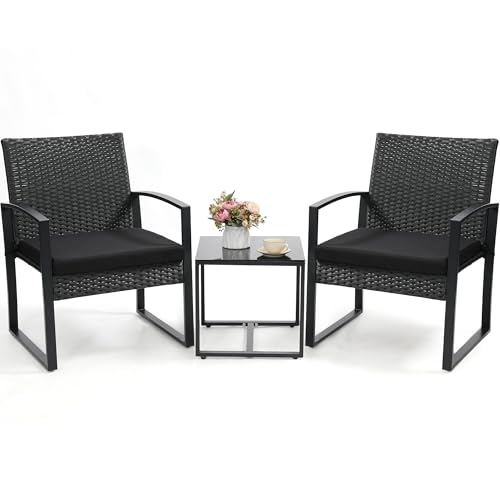
Wicker Porch Chairs: The Complete Buying Guide
Everything you need to know before choosing wicker porch chairs — materials, sizing, comfort, durability, and styling — so your front porch becomes the favorite room of the house.
START WITH MATERIALSWhy wicker porch chairs? Wicker has been the defining look of the American porch for over a century. Its woven texture adds warmth and character that solid materials simply cannot match, while modern resin wicker delivers that classic charm with genuinely low maintenance. This guide walks you through every decision so you can choose with confidence.
What Makes Wicker Porch Chairs a Smart Choice
Wicker is not a material — it is a weaving technique. The term describes how flexible strands are woven over a frame to create a textured, breathable surface. That distinction matters because the strand material determines how your chair will perform outdoors. Natural rattan, willow, and reed are traditional; resin and high-density polyethylene are the modern alternatives engineered specifically for outdoor use.
Porch chairs occupy a unique position in outdoor furniture. They live under a roof but are still exposed to blowing rain, humidity, temperature swings, and indirect sunlight. That semi-sheltered environment is exactly where wicker shines: it drains quickly, resists warping when properly finished, and its woven surface stays cool to the touch even on warm afternoons.
If you are furnishing a full porch rather than a single seat, it helps to think in terms of a cohesive seating arrangement. A pair of wicker chairs paired with a small side table creates a conversation nook, and you can scale that formula to any porch width. For complementary pieces, browse our selection of wicker patio furniture and rattan chairs for outdoor use.
Wicker Materials Compared: Resin vs. Natural Rattan
This is the single most important decision you will make. Both options can look nearly identical in photographs, but they behave very differently over time.
Resin Wicker (PE / HDPE)
Extruded synthetic strands over an aluminum or steel frame. UV-stabilized, waterproof, and resistant to rot, mold, and insects. Fully suitable for uncovered porches. The essential tier and mid-range tier of the market, and the most practical choice for most households.
Natural Rattan & Reed
Genuine plant fiber with a rich, organic patina that deepens with age. Lighter than resin and beautifully tactile. Requires a sheltered position and seasonal protection. Found in the mid-range to premium tier, with artisan pieces reaching high-end tier craftsmanship.
Willow & Woven Twig
Traditional rustic weaving with substantial visual weight and a farmhouse character. Best suited to covered porches in dry climates. Typically a premium tier choice for buyers who prioritize heritage aesthetics over all-weather resilience.
Wicker-Wrapped Aluminum
The best of both worlds: a welded, heavy-duty aluminum frame clad in resin wicker. Light enough to reposition easily, strong enough for daily use, and completely rust-proof. A top-tier construction approach for long-term porch seating.
Resin Wicker — Strengths
- Weather-resistant and waterproof
- No rot, mold, or insect damage
- Color stays stable under UV exposure
- Wipes clean with soap and water
- Consistent weave quality and color matching
Natural Rattan — Trade-offs
- Needs shelter from direct rain
- Can dry out and crack in arid climates
- Requires occasional re-oiling or sealing
- Natural color variation between pieces
- Heavier maintenance commitment overall
Editorial recommendation: If your porch is covered but open to wind-driven rain, choose resin wicker on an aluminum frame. If your porch is fully screened or enclosed, natural rattan rewards you with unmatched texture and warmth. Our guide to high-quality resin wicker patio furniture explains how to spot well-made synthetic weaving, and our overview of high-quality wicker patio furniture covers construction standards across both material families.
Quality Tiers: What Separates One Chair From Another
Wicker porch chairs span a wide spectrum of build quality. Rather than comparing numbers, use this tier framework to understand what you are actually getting at each level of the market. The differences show up in frame rigidity, weave tightness, cushion density, and finish consistency.
| Tier | Frame & Weave | Best For | Expected Lifespan |
|---|---|---|---|
| Entry-Level | Steel or thin aluminum frame; looser weave with visible strand ends; lighter finish | Occasional seating on a covered porch; first apartment or rental | A few seasons with care |
| Mid-Range | Powder-coated aluminum; tighter, more uniform weave; reinforced stress points | Everyday family use; the sweet spot for most porches | Five to eight years |
| Premium | Welded aluminum frame; dense hand-finished weave; UV-stabilized strands throughout | Daily use on exposed porches; households that entertain often | Eight to twelve years |
| Luxury | Commercial-grade construction; hand-woven detailing; premium cushion cores and covers | Design-forward porches; long-term investment seating | A decade or more |
A practical rule of thumb: a mid-range chair usually offers a noticeably tighter weave and a more rigid frame than an entry-level model, and that difference is felt immediately when you sit down. Moving from premium to luxury is more about weave refinement, cushion quality, and design detail than about structural integrity — the gap narrows as you climb.
For buyers comparing woven seating across the whole patio, our wicker patio set guide and wicker rocking chair overview apply the same tier logic to larger configurations.
Sizing Your Porch Chairs Correctly
Porches are almost always narrower than they look on a floor plan. Measure the usable depth — the distance from the house wall to the porch railing — before you shop, then subtract walking clearance. A comfortable porch needs roughly 24 inches of clear path past any chair.
Compact Chair
Narrow city porches and paired seating
Standard Chair
The most common porch chair footprint
Oversized Chair
Deep porches and lounging comfort
Seat Height
Comfortable for most adults to stand from
Seat depth deserves equal attention. Chairs with a seat depth around 18 to 20 inches suit most adults; deeper seats encourage reclining but can leave shorter users unsupported at the back of the knee. Arm height matters too — arms set at roughly 24 to 26 inches from the floor let you rest a glass or book comfortably.
If your porch is on the small side, consider pairing two compact wicker chairs with a round accent table rather than a single sofa. Our guides to round patio furniture and umbrella side tables show how small footprints can still feel complete. For a covered front porch specifically, our front porch decor ideas collection explores layout options in more depth.
Comfort Features That Actually Matter
Wicker itself is firm. Almost all the comfort in a wicker porch chair comes from the cushion and the seat geometry, which makes cushion specification the most underrated part of the buying decision.
Cushion Core Density
High-resilience foam holds its shape across seasons. Low-density fill compresses within a single summer. Squeeze the cushion if you can — it should push back rather than collapse.
Cover Fabric
Solution-dyed acrylic or olefin covers resist fading and mildew. Removable, zippered covers make seasonal cleaning far easier and extend cushion life significantly.
Seat Geometry
A slight backward slope and a gently crowned seat support the hips and thighs. Flat, hard seats are the most common complaint among wicker chair owners.
Armrest Width
Flat, wide arms serve as small side tables for a mug or phone. Narrow rounded arms look elegant but offer less practical support for long sitting sessions.
If your cushions wear out before the frame does — a common outcome — replacement is straightforward. Our guide to waterproof outdoor seat cushions covers sizing and fabric options, and the same principles apply to replacement cushions for outdoor seating.
Ready to See Wicker Porch Chairs in Person?
Browse a curated selection of woven porch seating and compare features side by side before you decide.
EXPLORE OPTIONSDurability, Weather Resistance, and Long-Term Care
How long a wicker porch chair lasts depends far more on its environment than on the chair itself. A covered porch in a temperate climate can double the service life of the same chair compared to an exposed deck in a humid region.
Weekly routine: dust the weave with a soft brush or a vacuum fitted with a brush attachment. Debris trapped between strands holds moisture and encourages mildew on natural fibers.
Seasonal cleaning: wash with a mild soap solution and a soft cloth. Resin wicker tolerates a gentle garden-hose rinse; natural rattan should be wiped rather than soaked and dried immediately in shade.
Annual protection: natural rattan benefits from a light application of furniture oil or a purpose-made sealant once a year. Resin wicker generally needs no sealing, though a UV-protectant spray can slow color drift in intensely sunny locations.
Frame checks: inspect welds and joints each spring. Any sign of surface rust on a steel frame should be treated promptly — our guide to rust removal walks through the process step by step. Aluminum frames are inherently rust-proof, which is one reason they dominate the higher tiers.
If your porch receives driven rain, consider a fitted cover for the off-season. Our overview of waterproof materials for garden furniture explains which cover fabrics breathe well enough to prevent trapped condensation.
Styling Wicker Porch Chairs
Wicker is a neutral texture, which makes it unusually easy to style. The weave provides visual interest, so the surrounding palette can stay calm without the porch feeling empty.
- Coastal look: white or pale sand wicker with navy and seafoam cushions, natural fiber rugs, and weathered wood accents.
- Farmhouse look: dark brown or charcoal wicker with cream cushions, galvanized metal side tables, and a woven doormat.
- Modern look: low-profile black wicker with monochrome grey cushions, a slim metal side table, and minimal accessories.
- Bohemian look: natural rattan with mixed patterned cushions, layered textiles, and plenty of trailing plants.
Two chairs angled toward each other with a small table between them is the most reliable porch arrangement. Add a rug to define the zone, a lantern for evening light, and a planter for height. For shade on sunny porches, review sun shade options for patios and triangle sun shades — both work well above a seating nook without dominating the space.
If you are expanding beyond chairs, our outdoor wicker bar stool set guide covers coordinating counter-height seating, and wicker porch chairs remain the anchor piece around which the rest of the porch is built.
Common Buying Mistakes to Avoid
- Choosing natural rattan for an uncovered porch. It will look tired within a season. Match the material to the exposure, not the other way around.
- Ignoring seat depth. A beautiful chair with a 24-inch seat depth is unusable for shorter household members. Sit before you commit.
- Buying one chair when you need two. Porch seating almost always reads as a pair. Mismatched singles look accidental; a coordinated duo looks intentional.
- Overlooking cushion replacement availability. Cushions wear out first. Confirm that replacement covers or inserts are obtainable.
- Skipping the clearance measurement. A chair that blocks the porch path will be moved constantly. Measure the walking route before ordering.
- Assuming all resin wicker is equal. UV stabilization and weave density vary enormously between tiers. Check specifications, not just photos.
A Quick Decision Framework
Covered porch, moderate climate, everyday use: mid-range resin wicker on a powder-coated aluminum frame. This combination handles the widest range of conditions without demanding much attention.
Enclosed or screened porch: premium natural rattan if you value texture and patina, or luxury resin wicker if you want the look without the maintenance rhythm.
Rental or temporary setup: entry-level resin wicker delivers the aesthetic for a few seasons without a long-term commitment.
Exposed porch or coastal location: premium or luxury resin wicker with a welded aluminum frame. Salt air and driven rain punish anything less.