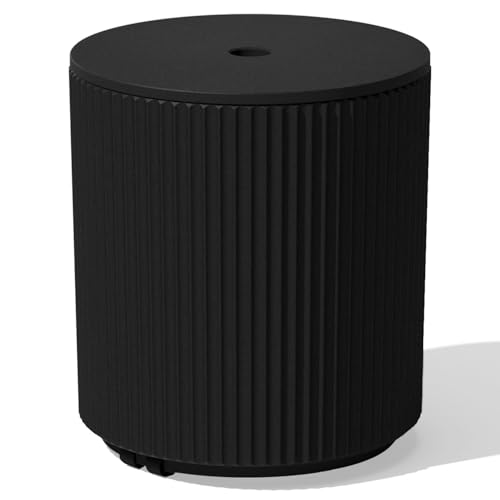
Umbrella Side Table: The Smart Space-Saving Outdoor Essential
Combine shade and surface in one compact piece. Learn how to choose an umbrella side table that anchors your umbrella, holds your essentials, and elevates any patio layout.
Explore the Buying GuideWhy an umbrella side table deserves a spot on your patio: Most homeowners research the perfect patio set, then realize they still lack a convenient place to set a drink, a book, or a plate — and simultaneously need a stable anchor for their umbrella. An umbrella side table solves both problems in a footprint barely larger than a serving tray. This guide walks you through materials, stability requirements, pairing strategies, and the practical details that separate a well-specified model from one that tips or fades within a season.
What Exactly Is an Umbrella Side Table?
An umbrella side table is a compact outdoor accent table built around a central vertical aperture — the umbrella hole — and usually paired with a weighted base. Unlike a standard round patio coffee table with umbrella hole, an umbrella side table is scaled for individual seating: it sits beside a lounge chair, between two Adirondack chairs, or next to a porch swing.
The defining feature is dual-purpose engineering. The tabletop provides a stable landing zone for drinks, snacks, sunglasses, and a lantern. The central column — reinforced to accept a standard umbrella pole — turns the table into a shade anchor without requiring a separate freestanding base that eats floor space. For small balconies and narrow decks, this consolidation is the difference between a functional layout and a cluttered one.
Many models include a plug or cap for the umbrella hole, so the table reads as a clean accent piece when the umbrella is stowed. Others feature a lower shelf for books, towels, or a small planter, adding storage without expanding the footprint.
Why Add One to Your Outdoor Setup?
Umbrella side tables earn their place through a combination of convenience, safety, and spatial efficiency. Consider these practical benefits:
- Shade where you sit, not where the table is: A side table places the umbrella directly beside your lounge chair or seat, so the shade lands on you rather than on an empty dining surface.
- Eliminates the tip-over risk of a bare umbrella: An integrated weighted base distributes load and keeps the pole upright, even when the canopy catches a breeze.
- Frees your lap: A drink, phone, or plate has a dedicated resting spot, reducing spills and awkward balancing acts.
- Works in tight footprints: Balconies, apartment patios, and narrow side yards can host a side table where a full dining set cannot fit.
- Pairs naturally with existing furniture: Use it between two cedar Adirondack chairs, beside a comfortable chaise lounge, or next to a rocking chair with cushions.
- Anchors an umbrella without a freestanding base: If you already own a solar outdoor umbrella or a classic canopy, the side table becomes its permanent, tidy home.
In short, the umbrella side table turns dead space beside a chair into a functional, shaded retreat — a small addition with outsized impact on daily usability.
Materials and Construction: What to Look For
The table's lifespan is determined almost entirely by its material system — the frame, the tabletop, the finish, and the base. Here is how the common options compare:
Metal Frames
Powder-coated steel and aluminum are the workhorses of the category. A wrought iron end table with slate top offers a classic, weighty presence and excellent wind resistance, though the finish must be maintained to resist corrosion. Aluminum is lighter and naturally rust-resistant, making it a strong choice for humid climates. Stainless steel sits at the premium tier for coastal environments where salt air accelerates corrosion — look for models that pair it with a stainless steel table with wheels if you value portability across the patio.
Wood and Teak
Teak is the gold standard for wooden outdoor furniture: dense grain, natural oils, and a silver-gray patina that many homeowners prefer over a stained finish. A teak side table pairs beautifully with teak Adirondack chairs and other teak furniture for a cohesive natural look. Cedar is a lighter, aromatic alternative with good rot resistance.
Resin Wicker and HDPE
Resin wicker wraps a metal frame in synthetic strands, delivering the texture of natural rattan with far better weather resistance. Look for high-density polyethylene (HDPE) strands for UV stability. These tables pair naturally with high-quality resin wicker patio furniture and wicker porch chairs. HDPE and poly lumber offer an entry-level tier option that is lightweight, fade-resistant, and easy to clean.
Finish and Hardware
A weather-resistant coating — powder coat, electrophoretic deposition, or marine-grade sealant — is non-negotiable. Check that screws, bolts, and the umbrella collar are stainless steel or similarly corrosion-proof; these are the first components to fail on lower-grade tables. A rust-proof finish and sealed welds are hallmarks of solid build quality.
Weight and Stability
The table itself should feel planted. A heavier frame resists tipping when an umbrella is deployed, and a wide base footprint distributes load. If the model accepts a separate weighted base, confirm compatibility with your umbrella pole diameter and canopy span before committing.
Market Tiers: Matching Features to Your Needs
Umbrella side tables are available across a spectrum of build quality. Rather than focusing on numbers, use these universal tier descriptors to benchmark what each class of product typically delivers:
| Tier | Typical Construction | Best For |
|---|---|---|
| Entry-Level / Starter Tier | Powder-coated steel or HDPE frame, simple flat top, lightweight base. | Balconies, renters, seasonal use, and shaded locations with mild wind exposure. |
| Mid-Range / Balanced Tier | Aluminum or reinforced steel frame, resin wicker or slat top, integrated weighted base. | Family patios, regular entertaining, mixed sun and wind exposure, everyday use. |
| Premium / High-End Tier | Stainless steel or solid teak, sealed joinery, heavy cast base, UV-stable finish. | Coastal homes, exposed decks, long-term investment, and design-forward patios. |
| Luxury / Professional-Grade | Marine-grade stainless, architectural teak, custom cast bases, commercial-spec hardware. | Hospitality settings, high-wind zones, and homeowners who prioritize longevity above all. |
In practice, a mid-range model usually offers the best balance of stability and refinement for a typical residential patio. Entry-level tables are perfectly serviceable in sheltered spots, while premium and luxury tiers justify their position through superior corrosion resistance and heavier anchoring hardware. For a broader perspective on how side tables fit into a complete layout, see our round patio furniture overview.
Stability and Base Selection
An umbrella is a sail. Once deployed, it captures wind and transfers that force down the pole into the table and base. Stability is therefore the single most important engineering consideration — more important than the tabletop material or finish.
Integrated vs. Separate Bases
Some side tables ship with a built-in weighted base; others rely on a separate umbrella base or standing umbrella base. Integrated bases are tidier and less likely to shift, but they limit flexibility if you later change umbrella sizes. Separate bases allow upgrades but require careful matching of pole diameter and table-hole size.
Matching Base Weight to Canopy Size
As a rule of thumb, a larger canopy demands a heavier base. Entry-level bases suit compact umbrellas; mid-range and premium bases are engineered for larger spans and breezier locations. If your patio is exposed to crosswinds, move up a tier rather than risk the umbrella tipping into furniture or glass. A umbrella base with wheels is a practical upgrade for homeowners who reposition shade throughout the day.
Footprint and Surface Contact
A wide, flat base distributes load across decking or pavers, reducing point pressure and wobble. Rubberized feet protect surfaces and add grip. On composite decking, avoid bases that concentrate weight on small hard feet, which can leave indentations over time.
Compatibility Check
Before pairing a table with an umbrella, confirm three measurements: pole diameter, table-hole diameter, and base collar size. Mismatches are the most common source of wobble and returns. If you are pairing with a bar-height setup, an umbrella extension pole for bar-height table may be needed to raise the canopy clear of the table surface.
Pairing Your Side Table with the Right Seating and Umbrella
An umbrella side table is most useful when it sits at the exact point where shade and convenience intersect. Consider these pairing strategies:
With Lounge Seating
Place the table between two chaise lounge chairs outdoor so a single umbrella shades both. On a solo lounger, position it on the sun-facing side so the canopy leans over the headrest. A sun lounge chair paired with a compact side table creates a self-contained sunbathing station.
With Conversation Sets
For a fire pit arrangement, a side table works best as a satellite piece rather than the center. Place it beside a 5-piece conversation set with fire pit to hold drinks away from the heat. If your seating is a wicker patio set, choose a side table in a complementary weave or a neutral metal finish.
With Dining and Bar Height
Side tables are usually too low for dining tables, but they work well beside a counter-height outdoor dining set as a serving station. For a bar setup, a matching set of outdoor wicker bar stools and a side table create a compact entertaining zone.
With Small Spaces
On a balcony or narrow patio, a side table replaces both a coffee table and a freestanding umbrella base, freeing significant floor space. Pair it with stackable outdoor chairs that can be tucked away when not in use. This combination is one of the most space-efficient outdoor layouts available.
With Shade Structures
If your patio already has a triangle sun shade or a screened-in deck, a side table becomes purely a surface piece — and a lighter, simpler model may suffice. The umbrella hole then serves as a convenient drainage point or a spot for a small lantern.
Care and Maintenance for Long-Term Performance
An umbrella side table lives outdoors year-round, so routine care pays dividends. Follow these practices to protect your investment:
Routine Cleaning
Wipe the tabletop weekly with mild soap and water, rinse, and dry with a soft cloth. Avoid abrasive pads on powder-coated or painted surfaces. For resin wicker, use a soft brush to clear dust from the weave. For teak, a gentle wash is usually sufficient; oiling is optional and changes the color to a warmer tone.
Hardware Inspection
Each season, check the umbrella collar, base bolts, and any folding mechanisms. Tighten loose fasteners and replace corroded screws promptly. A small amount of silicone spray on moving parts keeps them smooth and prevents seizing.
Winter and Off-Season Storage
In cold climates, clean and dry the table thoroughly before storing it under a breathable cover. If the table is lightweight, bring it indoors to prevent frost damage and wind displacement. For heavy cast bases, remove the umbrella, drain any water from the base cavity, and cover the assembly. Our weatherproofing guide covers broader seasonal protection strategies.
Dealing with Rust and Wear
If you notice rust spots on a metal frame, sand lightly and apply a rust-inhibiting touch-up paint that matches the original finish. Prompt attention prevents corrosion from spreading under the coating. For stubborn rust, our rust removal tips explain safe removal methods.
Umbrella Care
Always close the umbrella during high winds and overnight storms. Store the canopy dry to prevent mildew. If your umbrella has solar lights, confirm the panel receives adequate sunlight to charge, and wipe the panel periodically to maintain output.
Quick Buying Checklist
Before you commit, run through these questions to confirm the table fits your patio and habits:
- Does the table's umbrella hole accept your pole diameter, and is a base included or required?
- Is the base rated for your umbrella's canopy span and your local wind exposure?
- Does the table height align with your seating — chair arm height, lounge seat height, or bar height?
- Is the material appropriate for your climate (salt air, humidity, frost, intense UV)?
- Does the footprint fit the gap between your seats without blocking walkways?
- Is there a lower shelf or rim for extra utility, or is a clean flat top preferred?
- Are the finish and hardware weather-resistant, with a rust-proof collar and sealed welds?
- Can the table be moved easily if you rearrange your patio seasonally?
If you are still assembling your overall outdoor layout, our round patio dining table with umbrella hole guide and outdoor umbrella with solar lights and stand overview can help you coordinate scale and shade across the space.
Frequently Asked Questions
What is an umbrella side table?
An umbrella side table is a compact outdoor table with a central hole and often a weighted base designed to hold a patio umbrella. It combines a resting surface for drinks and essentials with a stable anchor for shade, making it ideal for small patios, balconies, and lounge areas where a full dining set would not fit.
What materials are best for an umbrella side table?
The best materials depend on climate and maintenance preferences. Powder-coated steel and aluminum offer durability and rust resistance, while stainless steel provides premium corrosion protection in coastal areas. Resin wicker and teak add warmth and texture, and high-density polyethylene (HDPE) delivers lightweight, weather-proof performance at an entry-level tier.
How do I choose the right umbrella base weight for a side table?
Match the base to your umbrella's span and local wind conditions. Entry-level bases are typically suited to small umbrellas under calm conditions, while mid-range and premium weighted bases provide stability for larger canopies and exposed locations. Always confirm the base is compatible with both the table's hole diameter and your umbrella pole.
Can an umbrella side table be used without an umbrella?
Yes. The table functions perfectly as a standard side table for drinks, books, or a lantern. The central hole can be covered with a plug or left open for drainage. Many owners use the table as a standalone accent and add the umbrella only during peak sun or entertaining season.
How do I maintain an outdoor umbrella side table?
Clean the surface regularly with mild soap and water, rinse thoroughly, and dry with a soft cloth. Inspect welds, joints, and base hardware each season, and apply a protective cover during extended off-season storage. For metal finishes, touch up any scratches to preserve the weather-resistant coating.
Ready to choose? An umbrella side table is one of the few patio additions that improves both comfort and safety without expanding your footprint. Use the checklist above, match your tier to your climate and wind exposure, and pair it with seating you already love. Below are recommended models selected to fit a range of patio styles and construction tiers.