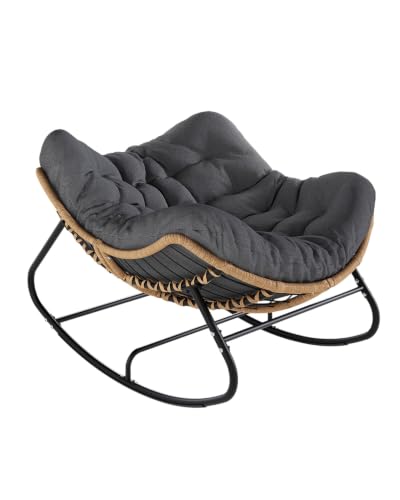
Wicker Rocking Chair: The Complete Buying Guide
Everything you need to choose a durable, comfortable, and beautiful wicker rocking chair for your porch, patio, or sunroom.
Explore Buying CriteriaA wicker rocking chair blends the soothing motion of a classic rocker with the warm, textured look of woven furniture. Whether you are furnishing a covered porch, a sunroom, or an open patio, understanding how these chairs are built helps you pick one that stays comfortable and structurally sound for years. This guide walks through the materials, frame construction, comfort features, and styling considerations that matter most, so you can make a confident decision before you buy.
If you are still exploring broader seating options, our wicker patio furniture guide covers the full category, while this page focuses specifically on rocking chairs.
What Is a Wicker Rocking Chair?
Wicker refers to the weaving technique, not a single material. Artisans weave flexible strands over a rigid frame to create the seat, back, and arms of the chair. The result is a lightweight yet surprisingly strong piece of furniture with a distinctive textured surface. A rocking chair adds curved runners at the base, allowing a gentle back-and-forth motion that makes it a favorite for relaxation.
There are two main weaving materials. Natural rattan, seagrass, and willow offer a traditional, organic appearance and a tactile warmth that many homeowners love. Synthetic resin wicker mimics the look of natural weave but is engineered for outdoor exposure, resisting moisture, UV fading, and cracking. Both types can be excellent, but they suit different environments and maintenance routines.
Wicker Materials Compared
Choosing the right weave material is the single most important decision for longevity. Below is a comparison of the three most common options.
| Material | Best For | Durability | Care Level |
|---|---|---|---|
| Natural Rattan | Covered porches, sunrooms, indoor use | Moderate | Regular oiling, keep dry |
| Resin Wicker | Open patios, poolside, full sun | High | Wipe clean, minimal upkeep |
| Seagrass / Willow | Decorative indoor accents | Lower outdoors | Indoor only, delicate |
For exposed outdoor settings, resin wicker is the practical choice. It handles rain and sun without the swelling and fading that can affect natural fibers. If your chair lives on a protected porch, natural rattan rewards you with an authentic look and a slightly softer feel.
Frame Construction: The Hidden Backbone
The weave gets all the attention, but the frame underneath determines whether the chair stays rigid and safe. Manufacturers typically use aluminum, steel, or wood.
- Aluminum frames are lightweight, rust-resistant, and a strong match for resin wicker. They are common in mid-range and premium outdoor models.
- Steel frames are heavier and very strong, but require a rust-proof finish such as powder coating to survive outdoor humidity. Check for a rust removal and prevention guide if you live in a coastal climate.
- Wood frames pair naturally with rattan and offer a traditional feel. They need sealing and should stay out of prolonged rain.
Whichever frame you choose, inspect the joints. A well-built chair has reinforced welds or wrapped connections at stress points near the arms and rocker rails. Poorly joined frames are the most common cause of early failure in woven furniture.
Buying Criteria: What to Check Before You Buy
Shoppers researching a wicker rocking chair usually know they want one; the question is which one. Use the following checklist to evaluate models methodically.
- Weight capacity. Check the stated capacity and leave a margin. Mid-range and premium chairs commonly support 250 to 350 pounds.
- Seat height and depth. A seat height of 17 to 19 inches suits most adults. Deeper seats feel more lounging-friendly but can be hard to rise from.
- Rocker rail length. Longer rails produce a smoother, slower motion. Short rails feel more active and can tip on uneven ground.
- Cushion quality. Look for quick-dry foam and solution-dyed fabric. Our guide to waterproof outdoor seat cushions explains what to look for in the fabric.
- Armrest height. Arms should support your forearms without forcing your shoulders up. Test this if possible before ordering.
- Assembly requirements. Most rockers ship partially assembled. Confirm what tools you will need and how the rocker rails attach.
- Tier positioning. Entry-level models often use thinner weave and lighter frames. Mid-range models improve cushion density and joint reinforcement. Premium and luxury tiers add heavier frames, tighter weave patterns, and higher-grade outdoor fabrics.
Comfort, Cushions, and Ergonomics
A rocking chair is meant to be sat in for long stretches, so comfort details deserve close attention. The woven seat on its own is firm; most people add a seat cushion for longer sessions. Look for cushions with a zippered, removable cover and a quick-dry core. Thick, non-porous foam traps water and develops mildew, so avoid cushions that stay heavy after rain.
Back height matters too. High-back models support the shoulders and encourage relaxation, while low-back styles feel more upright and conversation-friendly. If you plan to use the chair alongside a dining set, consider how the scale works with a round patio dining table with an umbrella hole nearby. Proportion matters as much as material.
For readers comparing rockers with other woven seating, our wicker porch chairs guide and outdoor rocking chairs with cushions page offer useful context on cushion selection.
Popular Wicker Rocking Chair Styles
Style influences both the look of your space and how the chair fits with existing furniture. The most common styles include:
- Traditional porch rocker. A high, rounded back with a woven seat and wide armrests. Classic and comfortable, it pairs well with farmhouse and cottage decor.
- Coastal rocker. Light weaves, white or natural finishes, and open arms. These suit breezy, beach-inspired patios.
- Modern woven rocker. Cleaner lines and tighter weaves, often with a curved silhouette. A strong fit for contemporary decks.
- Rocker with footrest. Some models pair a rocking motion with a matching ottoman. Great for reading nooks.
Consider how the chair sits relative to your other furniture. A rocker placed next to a round patio coffee table with an umbrella hole creates a relaxed conversation corner. If you prefer a coordinated set, a wicker patio set may include matching seating.
Where to Place Your Wicker Rocking Chair
Placement affects both durability and enjoyment. A covered porch protects natural rattan and reduces direct sun exposure for any weave. On an open patio, choose resin wicker and set the chair on a level surface so the rocker rails move evenly. Uneven pavers cause rocking chairs to wobble and wear at the joints.
For an outdoor room feel, pair the chair with a screened-in deck setup or add shade from a solar outdoor umbrella. On sunny patios, a sun shade for the patio helps keep the weave from overheating and fading.
Care and Maintenance Tips
Wicker rocking chairs are low maintenance when you follow a simple routine. Brush the weave with a soft brush to remove dust and debris from the crevices. Wipe resin wicker with mild soap and water, then rinse and dry. Avoid pressure washing, which can damage the weave and force water into the frame.
Natural rattan benefits from occasional oiling to prevent drying and cracking. Keep it out of rain and store it indoors during harsh winters. For more detailed seasonal advice, see our weatherproofing guide and outdoor waterproof material guide.
Inspect the rocker rails each season. Tighten any loose bolts and touch up scratches on metal frames with a matching paint to stop corrosion early.
Common Mistakes to Avoid
- Buying a natural rattan rocker for full sun and rain exposure.
- Ignoring weight capacity, especially for shared seating.
- Choosing a chair that is too deep for the user's height.
- Skipping the cushion cover check and ending up with mildew-prone foam.
- Placing the rocker on uneven ground, which stresses the rails.
For more on avoiding assembly and durability pitfalls, our buying guides hub covers the wider furniture decision process.
Frequently Asked Questions
Is a wicker rocking chair suitable for outdoor use?
Yes, provided it uses resin wicker over a rust-resistant frame. Natural rattan should be kept under a covered porch or brought indoors during rain.
What is the difference between natural rattan and resin wicker?
Natural rattan is a plant-based material with a warm look but needs regular care. Resin wicker is a synthetic weave that resists UV, moisture, and fading, making it ideal for exposed patios.
How much weight can a wicker rocking chair hold?
Well-built mid-range and premium models typically support 250 to 350 pounds. Always check the manufacturer's stated weight capacity before purchasing.
Do wicker rocking chairs require assembly?
Most models ship partially assembled. Expect to attach the rocker rails or legs with basic tools, which usually takes fifteen to thirty minutes.