Wooden Outdoor Chairs: The Complete Buying Guide
Everything you need to know before choosing wooden patio chairs — wood types, styles, comfort, weather protection, and long-term care. Make a confident, informed decision for your outdoor space.
Start Your ResearchWhy wooden outdoor chairs? Wood remains one of the most timeless, comfortable, and repairable materials for outdoor seating. It ages gracefully, blends with natural surroundings, and can be re-finished rather than replaced. But not all wood is equal — and the right chair for a covered porch differs from one for a fully exposed deck. This guide walks you through every decision so you can buy with confidence.
Why Choose Wooden Outdoor Chairs
Wooden outdoor chairs occupy a special place in outdoor living. Unlike metal, which can feel hot in direct sun and cold in the shade, wood stays comfortable to the touch across temperatures. Unlike plastic or resin, wood offers genuine structural integrity and a natural aesthetic that improves with age. For homeowners researching a long-term outdoor seating investment, wood is frequently the most rewarding material category.
Key advantages that make wooden chairs a strong choice:
- Comfort in all seasons — wood does not conduct heat or cold the way metal does, so it remains pleasant to sit on.
- Timeless aesthetics — from rustic to modern, wood adapts to nearly every wood patio design language.
- Repairability — scratches and fading can be sanded and re-sealed, extending service life significantly.
- Sturdiness — quality hardwood chairs support substantial weight and resist wobbling over time.
- Natural integration — wood harmonizes with gardens, trees, and landscaping better than synthetic materials.
If you are still comparing broad material categories, our wood furniture care guide and wood patio furniture overview provide useful context. For a broader furniture selection, explore the full range of wooden outdoor chairs.
Wood Types Compared: Which Wood Is Best for Outdoor Chairs?
The single most important decision when buying wooden outdoor chairs is the wood species. It determines durability, weather resistance, maintenance needs, and how the chair will look after several seasons outdoors. Below is a practical comparison of the most common outdoor wood types.
| Wood Type | Tier | Weather Resistance | Maintenance Level | Best For |
|---|---|---|---|---|
| Teak | Premium / luxury | Excellent — naturally oily, highly rot-resistant | Low — occasional cleaning; can be left to patina | Fully exposed patios, long-term investment, heirloom seating |
| Acacia | Mid-range | Good — dense hardwood, benefits from sealing | Moderate — annual oiling recommended | Balanced outdoor use, dining chairs, mixed exposure |
| Eucalyptus | Mid-range | Good — naturally resistant, tight grain | Moderate — periodic oiling | Versatile patio seating, transitional styles |
| Cedar | Mid-tier | Very good — natural oils repel moisture and insects | Low to moderate | Covered porches, rustic designs, aromatic appeal |
| Pine / Fir | Entry-level | Fair — requires protective finish | High — frequent sealing | Occasional use, covered areas, starter tier |
| Shorea / Meranti | Essential tier | Moderate — improves with sealing | Moderate to high | Good value for its tier, casual seating |
Teak is widely regarded as the gold standard. Its natural oils make it exceptionally resistant to moisture, insects, and rot, and it can be left untreated to develop a beautiful silver-gray patina. If you want a chair that will last decades with minimal intervention, teak is the flagship tier choice. Acacia and eucalyptus represent the balanced mid-range — durable hardwoods that perform well when properly sealed. Cedar is a smart mid-tier option for covered spaces thanks to its natural insect-repellent oils. Entry-level softwoods like pine are workable for occasional or sheltered use but demand more frequent maintenance.
Whatever species you choose, proper protection matters. Our wood sealants guide explains how to extend the life of any wooden chair.
Popular Styles of Wooden Outdoor Chairs
Style is both an aesthetic and a functional decision. Each chair style suits different activities, spaces, and body types. Here are the most common categories you will encounter.
Adirondack Chairs
The classic deep-seated, wide-armchair design. Adirondack chairs are ideal for lounging and reading, with a reclined back that encourages relaxation. They pair naturally with low coffee tables and fire pits. Explore wood Adirondack chairs for a dedicated deep dive.
Dining Chairs
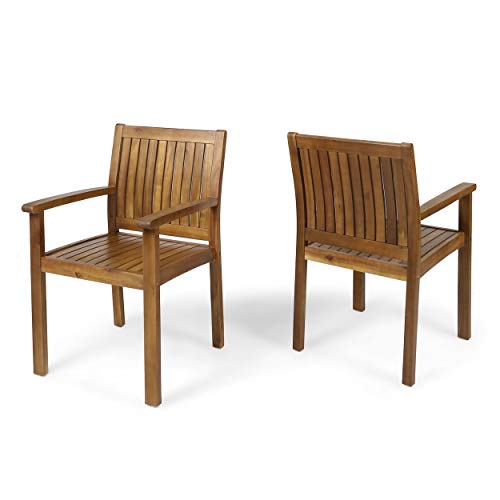
Upright, supportive, and designed for meals. Wooden dining chairs are usually sold as part of a set and need to complement table height. If you are building a full dining area, see our guides to a wood outdoor dining set with umbrella hole and a wood dining table with bench.
Rocking Chairs
For porches and covered retreats, wooden rocking chairs combine comfort with gentle motion. They are a traditional choice for front porches and sunrooms. Browse wooden rocking chairs for outdoor use and the wicker rocking chair alternative for a lighter look.
Lounge & Chaise Chairs
Designed for sunbathing and reclining, wooden chaise lounges bring resort-style comfort to the backyard. See wood chaise lounges for reclining options.
Benches & Sofas
When you want to seat several people on wooden frames, a bench or wooden sofa is a strong anchor. Consider a wooden garden bench, a wooden park bench for a classic look, or a wooden outdoor sofa for a living-room feel outdoors.
Beyond these, there are convertible and space-saving designs worth knowing about: the wooden bench that turns into a picnic table is excellent for compact yards. For a traditional gathering piece, the wood picnic table remains a durable family favorite.
What to Look For Before You Buy
Beyond wood type and style, several practical factors determine whether a wooden chair will serve you well. Use this checklist during your research stage.
1. Construction & Joinery
Look for reinforced joints, mortise-and-tenon connections, and stainless-steel or coated hardware. Screws alone are a weaker signal; solid joinery is the hallmark of quality. Heavy-duty construction with reinforced hardware is a strong indicator of long service life.
2. Finish & Protection
Factory-sealed chairs resist moisture and UV damage better than unfinished ones. A weather-resistant coating or rust-proof finish on any metal components prevents premature failure. Re-oiling or re-sealing annually keeps the finish effective.
3. Comfort & Ergonomics
Seat height, back angle, armrest height, and seat depth all affect comfort. Adirondack chairs recline; dining chairs stay upright. Sit-test where possible, and consider whether cushions are needed. Our wooden park bench and wooden garden bench guides also discuss comfort features.
4. Weight & Portability
Hardwood chairs are heavier and more stable but harder to move. If you reconfigure your space often, consider lighter species or chairs with handles.
5. Space & Scale
Measure your patio before buying. Adirondacks need more depth; bistro-style chairs fit compact balconies. For small spaces, explore wooden garden table and chairs and wooden garden furniture sets that are scaled for tight footprints.
6. Maintenance Commitment
Be honest about how much upkeep you will do. Teak and cedar are forgiving; softwoods demand regular attention. Pair your choice with the right protection using our wood sealants guide.
Quality Tiers: Matching Chairs to Your Needs
To help you compare options consistently, we use a universal tier system that reflects market position rather than any specific figure. The tiers below describe relative quality and positioning.
Entry-Level / Starter Tier
Softwoods and basic hardwoods with simpler joinery. Best for occasional use, covered areas, and first-time buyers. Requires more frequent maintenance.
Mid-Range / Balanced Tier
Acacia, eucalyptus, and mid-tier cedar with solid joinery and factory finishes. A strong balance of durability, comfort, and upkeep for most households.
Premium / High-End Tier
Premium hardwoods, refined joinery, and superior finishes. Designed for frequent use, full exposure, and long-term performance.
Luxury / Flagship Tier
Teak and premium species with meticulous craftsmanship. A long-term investment built to age gracefully and last for decades.
Mid-range models usually offer noticeably smoother joinery and better finishes than entry-level options, while premium and flagship tiers excel in full-sun exposure and heavy use. Choose the tier that matches your climate, usage frequency, and maintenance willingness.
Caring for Wooden Outdoor Chairs
Wooden chairs reward a little attention with years of service. Key maintenance steps:
- Clean regularly — mild soap and water remove dirt before it becomes embedded.
- Re-seal annually — a fresh coat of sealant or oil restores protection. See our wood sealants guide.
- Store or cover in harsh seasons — protect chairs during extreme weather to prevent cracking and fading.
- Inspect hardware — tighten bolts and check joints each season.
- Address damage early — sand and re-finish minor scratches before they spread.
For broader maintenance strategies, our wood furniture care guide covers cleaning, sealing, and seasonal protection in detail.
Pairing Wooden Chairs With the Rest of Your Patio
Wooden chairs work best when they harmonize with the surrounding furniture. Consider these complementary pieces:
- Tables: a wooden garden table, wood kitchen table with bench and chairs, or wooden table and bench set anchors the space.
- Coffee & side tables: a wood outdoor coffee table with umbrella hole or wicker side table adds function.
- Seating variety: mix in a wooden swing bench, wooden porch swing, or wooden bench with back for dining table.
- Shade: if your chairs will sit in open sun, consider a coordinated shade solution such as a cantilever patio umbrella with base.
- Structure: a wooden arbour for the garden creates a natural focal point that ties wooden seating together.
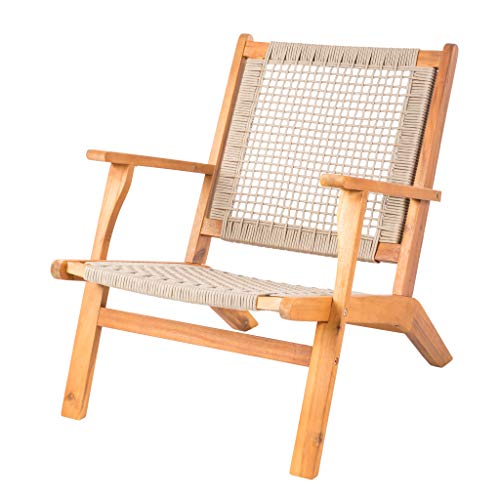
If your style leans toward lighter woven looks, our wicker patio furniture and woven chair guides offer useful comparisons.
Frequently Asked Questions
What is the most durable wood for outdoor chairs?
Teak is generally considered the most durable, thanks to its natural oils and density. Acacia and eucalyptus are strong mid-range alternatives that perform well when sealed.
Do wooden outdoor chairs need to be sealed?
Most do, ideally at least annually. Teak and cedar are more forgiving, but sealing still extends life and preserves appearance. Our wood sealants guide explains options.
Can wooden chairs stay outside year-round?
Premium hardwoods can handle full exposure, but covering or storing chairs during extreme weather prolongs their life. Mid-range and entry-level chairs benefit most from seasonal protection.
Are wooden outdoor chairs comfortable without cushions?
Adirondack and lounge styles are designed for comfort without cushions, while dining chairs often benefit from seat pads. Ergonomics matter more than cushions for long-term comfort.
How do I prevent wooden chairs from cracking?
Keep them sealed, avoid prolonged standing water, and store during harsh freezes. Cracking usually results from moisture fluctuation and UV exposure, both addressed by regular sealing.
Ready to Choose Your Wooden Outdoor Chairs?
You now have the framework to compare wood types, styles, and quality tiers with confidence. Explore our recommended wooden outdoor chairs below, or continue researching related guides to complete your patio plan.
View Recommended Chairs