Wood Patio Furniture Guide
Discover the warmth and beauty of natural wood for your outdoor space. From teak to cedar, learn which wood type suits your climate, style, and budget.
Why Choose Wood for Your Patio?
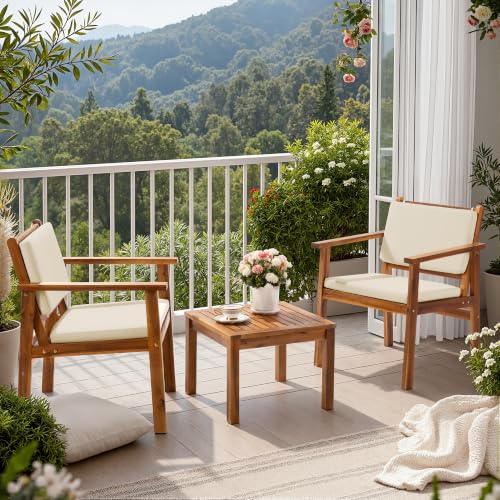
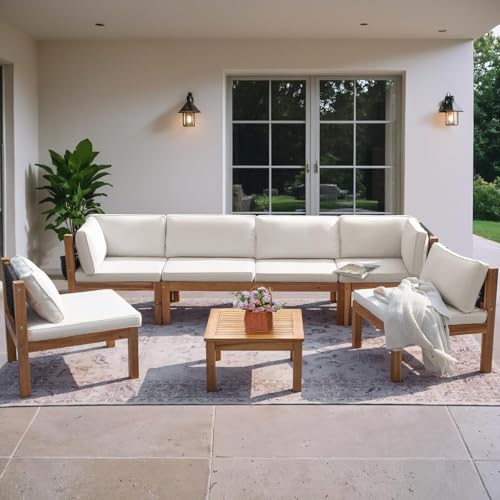
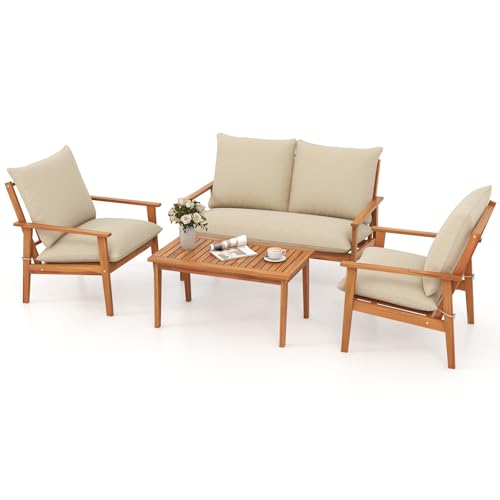
Wood patio furniture brings timeless elegance, natural warmth, and unmatched durability to any backyard. Unlike metal or plastic, wood ages gracefully — developing a beautiful patina over time that tells the story of countless outdoor gatherings. Whether you're furnishing a spacious deck, a cozy balcony, or a sprawling garden, wood offers versatility that complements any design aesthetic from rustic farmhouse to modern minimalist.
Choosing the wood patio furniture is an investment in quality, comfort, and environmental sustainability. When properly cared for, high-quality outdoor wood furniture can last for decades, making it one of the most cost-effective choices in the long run. This guide will help you understand the different types of wood available, their unique characteristics, and how to maintain them for maximum longevity.
If you're looking to create a cohesive outdoor living space, consider exploring our outdoor living section for complementary furniture pieces, or check out our patio styles guide to find the perfect design theme for your wood furniture.
Best Wood Types for Outdoor Furniture
Not all wood is created equal when it comes to outdoor use. The best options are naturally resistant to moisture, insects, and UV damage. Here are the top choices:
🌳 Teak
The gold standard for outdoor furniture. Contains natural oils that repel water and insects. Develops a stunning silver-gray patina if left untreated. Extremely durable and low-maintenance.
🌲 Cedar
Lightweight, aromatic, and naturally rot-resistant. Cedar is a sustainable choice that repels insects naturally. Beautiful reddish-brown color that ages to a soft silver-gray.
🌿 Ipe (Brazilian Walnut)
One of the hardest and most durable woods available. Nearly impervious to rot, insects, and weather. Rich dark brown color that is absolutely stunning and ages beautifully.
🪵 Redwood
Classic American choice with excellent weather resistance. Stunning reddish-brown color that resists warping and decay. Lightweight yet strong, perfect for larger furniture pieces.
🌾 Acacia
Budget-friendly option with attractive grain patterns. Dense and durable with good water resistance. Rich golden-brown color that adds warmth to any space.
🌳 Eucalyptus
Sustainable and fast-growing. Naturally resistant to weather and insects. Similar appearance to teak but more affordable. Requires occasional oiling to maintain luster.
For those seeking the best value, teak outdoor dining tables remain the most popular premium choice, while rustic furniture styles often use cedar and acacia for their charming character and affordability. If you're working with a smaller space, consider balcony furniture options made from lightweight cedar or eucalyptus.
Wood Type Comparison
Understanding the key differences between wood types helps you make an informed decision based on your climate, budget, and maintenance preferences.
| Wood Type | Durability | Maintenance | Price (8-Piece Set) | Best For |
|---|---|---|---|---|
| Teak | ★★★★★ | Low | $2,500+ | Premium, low-maintenance |
| Ipe | ★★★★★ | Low-Medium | $2,800+ | Extreme durability |
| Cedar | ★★★★ | Medium | $800–$1,800 | Lightweight, sustainable |
| Redwood | ★★★★ | Medium | $1,200–$2,200 | Classic American style |
| Acacia | ★★★ | Medium-High | $600–$1,200 | Budget-friendly |
| Eucalyptus | ★★★ | Medium-High | $700–$1,500 | Sustainable alternative |
How to Care for Your Wood Patio Furniture
Proper maintenance is essential to ensure your wood patio furniture lasts for generations. Different wood types have different care requirements, but these universal steps will help protect your investment:
Clean Regularly
Remove dirt and debris with a soft brush and mild soap solution. Rinse thoroughly and allow to dry completely before applying any treatments.
Apply Protective Oils
Use teak oil or specialized wood sealants annually to protect against moisture and UV damage. Always follow manufacturer recommendations.
Use Covers in Winter
Protect furniture during extreme weather with high-quality covers. Our outdoor patio furniture covers guide provides specific recommendations.
Sand and Refinish
Lightly sand weathered surfaces and reapply finish to restore beauty. Teak and cedar benefit from this treatment every 2-3 years.
If you need specific products for maintaining your wood furniture, explore our outdoor care section. For cleaning cushions and fabrics, check out our guide on outdoor chair seat cushions to keep your entire set looking fresh.
Wood Patio Style Inspiration
The versatility of wood allows it to work beautifully with virtually any design style. Here are some popular approaches:
Rustic Farmhouse
Pair reclaimed wood tables with comfortable outdoor rocking chairs and vintage-inspired decor. Use natural linens and soft lighting for a cozy, inviting atmosphere. This style emphasizes warmth, comfort, and a connection to nature.
Modern Minimalist
Choose sleek teak or ipe furniture with clean lines and minimal ornamentation. Pair with neutral cushions and outdoor lighting in geometric fixtures. The natural wood grain becomes the focal point of the design.
Coastal Nautical
Whitewashed or natural cedar furniture creates a beachy vibe. Complement with blue and white cushions, rope accents, and plenty of outdoor planters filled with tropical greenery. This light and airy style is perfect for seaside homes.
Bohemian Oasis
Mix different wood tones and textures with colorful textiles and patterns. Layer rugs, floor cushions, and hanging chairs for a relaxed, global-inspired feel. Consider adding a patio swing for the ultimate boho statement piece.
For those who love the warmth of wood but need specific furniture pieces, our garden furniture collection offers a wide range of options. If you're looking for shade solutions to complement your wood furniture, explore our backyard shade ideas for complete outdoor comfort.
Wood vs. Other Patio Furniture Materials
While wood offers exceptional beauty and character, it's helpful to compare it with other common patio furniture materials to make the best choice for your needs.
Wood vs. Metal
Wood provides natural warmth that metal cannot replicate. However, metal outdoor chairs and aluminum patio furniture may be better suited for coastal areas with high salt exposure. Wood is generally more comfortable to touch in both hot and cold weather, while metal can become uncomfortably hot or cold to the touch. For durability, high-quality teak and ipe can match or exceed the lifespan of metal furniture.
Wood vs. Wicker/Rattan
Rattan patio furniture and wicker side tables offer a similar natural aesthetic to wood but with different maintenance requirements. Synthetic wicker is lightweight and weatherproof, while natural rattan requires more care. Wood tends to be heavier and more stable in windy conditions, making it ideal for areas prone to strong gusts.
Wood vs. Plastic/Resin
While waterproof outdoor furniture in plastic or resin is virtually maintenance-free, it lacks the premium look and feel of natural wood. However, for those on a tight budget or in areas with extreme weather, cheap outdoor chairs made from resin can be a practical option. Wood offers superior aesthetics and can be refinished to look new again, while plastic typically must be replaced when damaged.
If you're interested in outdoor cooking and dining, consider complementing your wood furniture with a propane fire pit or a propane fire table sale for year-round outdoor enjoyment.
Your Wood Patio Shopping Checklist
Before making a purchase, consider these essential factors to ensure you choose the right wood patio furniture for your needs:
- Climate Compatibility: Does your area experience high humidity, extreme cold, or intense sun? Choose wood types that can withstand your local weather conditions. Teak and ipe perform exceptionally well in most climates, while cedar is ideal for areas with moderate weather.
- Budget Planning: Consider both the initial purchase price and long-term maintenance costs. While teak has a higher upfront cost, its low maintenance requirements may save money over time compared to woods that require annual sealing and refinishing.
- Available Space: Measure your patio or deck carefully before shopping. Consider patio side tables and small outdoor table and chairs options for compact spaces, or explore outdoor patio conversation sets for larger areas.
- Storage Considerations: Will you need to store your furniture during winter months? If so, look for lightweight options like cedar that are easier to move, and consider outdoor furniture clearance deals on storage accessories.
- Style Preference: Does wood match your home's architectural style and existing outdoor decor? For modern homes, consider modern outdoor rocking chairs in sleek teak. For traditional homes, wrought iron tables and chairs combined with wood accent pieces create a timeless look.
- Warranty & Quality: Look for furniture with solid joinery (dovetail or mortise and tenon), high-quality hardware, and comprehensive warranties that reflect the manufacturer's confidence in their product.
For the best deals and selection, check our patio furniture sale section and compare options from at home outdoor furniture retailers. Our buying guides offer additional insights for first-time buyers.
Sustainable Wood Choices for Eco-Conscious Buyers
If environmental impact is a priority, look for furniture made from certified sustainable wood sources. Here's what to look for:
- FSC Certification: The Forest Stewardship Council certifies wood harvested from responsibly managed forests. This ensures ecological sustainability and protects biodiversity.
- Reclaimed and Salvaged Wood: Furniture made from reclaimed wood reduces deforestation and adds unique character with its weathered patina and visible history.
- Rapidly Renewable Species: Eucalyptus and acacia grow quickly and can be harvested sustainably, making them excellent choices for environmentally conscious shoppers.
- Local Sourcing: Consider local stores that source wood regionally to reduce transportation emissions and support local economies.
For those interested in eco-friendly outdoor living, explore our sustainable materials section for more tips and recommendations, including solar lights and rain barrels to complement your sustainable wood patio setup.
Frequently Asked Questions About Wood Patio Furniture
How long does wood patio furniture last?
With proper care, high-quality wood furniture can last 20-30 years or more. Teak furniture, in particular, can last up to 75 years with minimal maintenance. Cedar and redwood typically last 15-25 years with regular care, while acacia and eucalyptus have a lifespan of 10-15 years.
Is teak worth the higher price?
Yes, teak is considered the best investment for outdoor furniture. Its natural oils make it highly resistant to moisture, insects, and rot, requiring minimal maintenance. The initial higher cost is offset by decades of use without the need for replacement or extensive refinishing.
Can wood furniture stay outside year-round?
Teak, ipe, and cedar can stay outside year-round in most climates. However, using furniture covers during extreme weather will extend its life. For areas with harsh winters, consider winter storage options or invest in furniture covers designed for your specific wood type.
How do I clean mold and mildew from wood furniture?
Mix equal parts water and vinegar, or use a mild bleach solution (1:10 ratio). Apply with a soft brush, scrub gently, rinse thoroughly, and dry completely. Always test on a small area first and avoid harsh chemicals that can damage the wood's finish.
What's the best wood for hot, sunny climates?
Teak and ipe excel in hot, sunny conditions due to their natural UV resistance. Apply UV protection treatments annually to maintain color and prevent drying and cracking.
Can I paint or stain my wood patio furniture?
Yes, but choose exterior-grade products specifically designed for outdoor wood. Sand the surface lightly before applying. Oil-based stains penetrate deeper and last longer than water-based alternatives. Teak furniture is often left natural, but can be stained if desired.
For more answers to common questions, visit our FAQ page or explore our comprehensive wood patio guides.