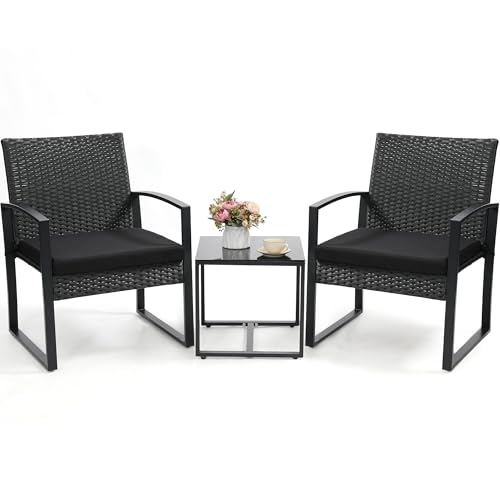
Balcony Furniture: The Complete Small-Space Buying Guide
Turn a compact balcony into a functional outdoor room. Learn which seating types fit tight footprints, how to measure before you buy, and which materials survive wind, rain, and sun exposure.
EXPLORE BALCONY PICKSWhy this guide exists: Balcony shoppers face a different problem than patio owners. Every piece must justify its footprint, survive exposed conditions, and often fold away for the off-season. This guide walks you through the decision points that matter most before you commit to a set.
Why Balcony Furniture Demands a Different Approach
A balcony is not a scaled-down patio. It is a constrained, often elevated platform with hard boundaries: railings, sliding doors, drain paths, and building rules. Furniture that works beautifully on a ground-level deck can become a hazard or a nuisance three floors up. The right balcony setup starts with accepting these constraints rather than fighting them.
Three factors separate balcony furnishing from general outdoor furnishing. First, footprint efficiency — every inch of floor depth competes with walking clearance to the door and railing. Second, wind exposure — upper-floor balconies catch gusts that ground patios never see, so lightweight pieces need to fold, stack, or anchor. Third, weather concentration — rain driven sideways, strong UV reflection off glass, and limited drainage all shorten the lifespan of poorly specified materials.
If your space is closer to an open terrace than a true balcony, the broader balcony outdoor furniture for small spaces guide covers transitional layouts. For apartment-specific restrictions on anchoring and storage, see the apartment outdoor resource. And if you are still sketching the overall look, the balcony ideas collection helps you visualize layouts before committing to furniture types.
The Core Balcony Furniture Types
Most successful balconies are built from two or three of the following categories, not all of them. Choose based on how you actually plan to use the space — morning coffee, evening reading, or occasional entertaining.
Bistro Sets
A small round or square table with two chairs. The classic balcony solution because the table doubles as a dining surface and a workspace. Folding versions collapse flat for winter storage.
Compact Lounge Chairs
A single deep chair with a small side table often beats a full set on narrow balconies. Look for low-profile frames and quick-dry cushions that tolerate overnight moisture.
Folding & Stacking Chairs
Fold-flat or stackable chairs free up floor space between uses. Ideal when the balcony doubles as a utility corridor or when building rules restrict permanent fixtures.
Balcony Tables
Half-moon, wall-mounted, or railing-hook tables extend usable surface without consuming floor depth. A dedicated balcony table is often the single highest-impact purchase on a tight footprint.
Storage Benches
A bench with a lift-up seat hides cushions, tools, and folding chairs. It doubles as seating and solves the storage problem that plagues most balconies.
Compact Shade Pieces
Half-umbrellas, clamp-on canopies, and retractable awnings add shade without the footprint of a full market umbrella. Confirm building rules before mounting anything to the railing.
How to Measure Your Balcony Before Buying
Measurement mistakes are the most common reason balcony furniture gets returned. A set that looks compact in a product photo can block a door swing or leave no room to stand at the railing. Work through these steps before you order anything.
The Five-Point Balcony Measurement Checklist
- Usable floor depth. Measure from the wall or door threshold to the inside face of the railing. This is your true working depth — not the balcony's advertised dimensions.
- Door swing clearance. Note whether the door opens inward or outward and how far it travels. Furniture must never intrude on the swing arc.
- Railing height and type. Glass, metal bar, and solid-wall railings each change what you can clamp, hang, or lean against the rail.
- Drainage path. Locate the floor drain or slope direction. Furniture legs that sit in standing water will corrode or rot faster.
- Walking path. Subtract at least 24 inches of clear width for a comfortable path between furniture and railing. On balconies under 5 feet deep, this often means choosing a bistro set over a lounge arrangement.
A practical trick: use painter's tape to outline each candidate piece's footprint directly on the balcony floor. Walk the layout for a full day before ordering. This catches problems that dimension charts cannot — like a chair back that blocks a view line or a table that makes the door feel cramped.
Materials That Survive Balcony Conditions
Balcony furniture faces a harsher microclimate than most patios: wind-driven rain, reflected heat from building walls, and constant UV exposure on upper floors. Material choice matters more here than almost anywhere else in outdoor furnishing.
Powder-coated aluminum is the default recommendation for frames. It is light enough to move alone, will not rust like steel, and holds a coating that resists chipping. High-density polyethylene (HDPE) wicker handles moisture and UV well and does not unravel like natural rattan. Solution-dyed acrylic is the cushion fabric to look for — the color is baked into the fiber rather than printed on the surface, so it resists fading far longer than standard polyester.
Materials to approach with caution on an exposed balcony include untreated wood (it needs regular sealing and can warp), standard steel (rust at weld points), and low-grade resin (becomes brittle after repeated UV cycles). If you are comparing broader material trade-offs across all outdoor categories, the all-weather outdoor furniture guide expands on these distinctions.
If your balcony is partially covered by an overhang, you have more flexibility and can consider a wider range of finishes. For open, unsheltered balconies, prioritize the coated-metal and HDPE combination and plan to store cushions indoors during off-season months.
Balcony Furniture Tiers: What Changes as You Move Up
Balcony furniture is best understood through quality tiers rather than specific figures. Each tier represents a different balance of construction durability, finish quality, and long-term resilience. The table below describes what typically improves as you move from entry-level to premium within the balcony category.
| Tier | Typical Construction | Best For | What Improves at This Tier |
|---|---|---|---|
| Entry-Level | Light steel or basic aluminum frames, standard polyester fabric, simple folding mechanisms | First balcony, seasonal use, renters who need portability | Basic weather coating, functional fold-flat design, adequate for covered balconies |
| Mid-Range | Powder-coated aluminum, HDPE wicker, solution-dyed acrylic cushions | Year-round balconies with moderate sun and rain exposure | Rust-proof finish, UV-stable fabric, smoother folding hardware, better weight distribution |
| Premium | Reinforced aluminum or stainless hardware, dense woven wicker, high-grade acrylic with taped seams | Exposed upper-floor balconies, frequent use, long-term ownership | Heavy-duty joints, fade-resistant fabric, tighter weave, superior wind stability |
| Luxury | Marine-grade aluminum, hand-finished frames, custom cushion systems, integrated storage | Design-forward balconies, permanent installations, architectural integration | Flagship-tier craftsmanship, precision folding, bespoke sizing, extended finish warranties |
The practical takeaway: entry-level sets are a sensible starting point for renters or covered balconies, but mid-range is where balcony furniture begins to genuinely handle year-round exposure. Premium and luxury tiers make sense when the balcony is a permanent extension of your living space and you want the set to last through many seasons without replacement.
Layout Strategies for Narrow and Deep Balconies
Balcony shape determines layout more than personal taste. A narrow balcony (under 5 feet deep) works best with furniture lined along one railing and a clear path along the other. A deep balcony (over 6 feet) can support an L-shaped arrangement or a small conversation cluster.
Three layout patterns cover most balconies:
- The railing line. Seat furniture faces outward along the longest railing, preserving a clear walking path behind it. Works on almost any depth.
- The corner cluster. A bistro set or two-chair arrangement tucked into one corner, leaving the rest of the floor open. Best for deep balconies used primarily for sitting.
- The dual-zone split. A small table near the door and a single lounge chair at the far end. Effective on long, narrow balconies where a single set would block the corridor.
Whatever pattern you choose, keep at least one clear line of sight to the view. Furniture that blocks the railing sightline makes even a large balcony feel enclosed. If the balcony is small enough that every piece must multitask, the small patio guide overlaps heavily with balcony strategy — the space-saving principles are nearly identical.
Wind, Rain, and Safety on Elevated Balconies
Wind is the balcony-specific risk that patio owners rarely think about. On upper floors, gusts can lift lightweight chairs, tip umbrellas, and send loose cushions over the railing. Safety here is not optional — falling furniture is a genuine hazard to people below.
Practical wind strategies include choosing fold-flat or stackable pieces that can be brought inside during storms, using weighted umbrella bases rather than clamp-only mounts, and avoiding loose furniture covers that act like sails. If building rules allow, furniture straps or clips can secure chairs to railings, but check your lease or HOA guidelines first — many buildings prohibit attaching anything to the railing structure.
Rain management matters too. Ensure furniture legs do not sit in standing water near the drain, and choose quick-dry cushions or bring cushions indoors after use. For a deeper dive into protective practices that apply across outdoor furniture, the weatherproofing guide covers covers, sealants, and seasonal routines. Balconies with overhead cover have more leeway, but open balconies should treat every piece as semi-exposed.
What to Buy First: A Prioritized Approach
New balcony owners often buy a full set at once and then discover the layout does not work. A staged approach is more reliable. Start with the piece you will use daily, live with it for a week, then add the next element.
A practical purchase order for most balconies:
- First: seating. One or two chairs that fit your actual use pattern. A bistro set if you eat outside; a single lounge chair if you read.
- Second: a surface. A small table — folding, nesting, or railing-mounted — turns seating into a usable zone.
- Third: shade. Only after seating and table are settled, add shade that suits your railing type and sun exposure.
- Fourth: storage. A bench or weatherproof box solves the cushion and folding-chair problem once you know what needs storing.
- Fifth: decor and lighting. Battery or solar string lights and a weatherproof rug complete the space without competing for floor area.
For renters or anyone furnishing a temporary space, the apartment patio furniture guide covers lightweight, reversible choices that move easily between units.
Common Balcony Furniture Mistakes to Avoid
- Buying a full dining set for a 4-foot-deep balcony. It will block the door and leave no standing room at the railing.
- Ignoring door swing. An outward-opening door needs a clear arc; furniture placed too close turns every entry into a shuffle.
- Choosing untreated wood. Without consistent sealing, wood on an exposed balcony warps and grays within a season or two.
- Skipping the cushion storage plan. Cushions left out in rain and sun degrade quickly; a storage bench or indoor closet is not optional.
- Mounting shade without checking rules. Many buildings prohibit railing-mounted umbrellas or awnings for safety and aesthetic reasons.
- Overlooking wind. Lightweight chairs without a fold or anchor plan will move in strong gusts.
Balcony Furniture FAQ
What furniture fits best on a small balcony?
Compact bistro sets, folding chairs, nesting tables, and storage benches fit best because they preserve walking clearance and can be folded or stacked when not in use. Avoid full lounge sets on balconies under 5 feet deep.
How do I measure a balcony before buying furniture?
Measure the usable floor depth and width, note railing height and door swing clearance, then subtract at least 24 inches of walking path. Use painter's tape on the floor to outline furniture footprints before ordering.
Which materials hold up best on an exposed balcony?
Powder-coated aluminum frames, high-density polyethylene wicker, and solution-dyed acrylic cushions resist moisture, UV fading, and wind-driven rain far better than untreated wood or standard steel.
Do I need to anchor balcony furniture?
Yes on upper floors or windy exposures. Choose stackable or folding pieces that store indoors, add weighted bases for umbrellas, and use furniture straps or clips only where balcony rules permit.
Bottom line: A balcony rewards restraint. The best balcony furniture is not the most feature-rich set — it is the one that fits your measured footprint, survives your exposure level, and can be stored or secured when weather turns. Measure first, choose a tier that matches your climate, and buy in stages. For a complete outdoor furnishing framework that extends beyond the balcony, the all-weather patio furniture overview is a useful next read.