Apartment Patio Furniture: The Complete Guide to Small-Space Outdoor Living
Transform your balcony, terrace, or compact patio into a functional retreat. Expert advice on space-saving furniture, renter-friendly solutions, materials, and smart layouts for apartment dwellers.
EXPLORE THE GUIDEWhy apartment patio furniture matters: Outdoor space in an apartment is precious. Whether you have a narrow balcony, a postage-stamp terrace, or a shared rooftop, the right furniture turns a cramped area into a true extension of your home. This guide walks you through everything — from measuring your space and choosing space-saving designs to selecting weather-resistant materials and styling your setup. If you are researching before you buy, you are in the right place.
Start With Your Space: Measurement and Layout Planning
Before browsing any furniture, take precise measurements. Apartment patios are unforgiving — a few inches can mean the difference between a comfortable seating nook and an unusable clutter zone. Grab a tape measure and record the width, depth, and usable height of your balcony or patio. Note door swing clearance, railing height, and any fixed obstacles such as AC units, drainpipes, or built-in planters.
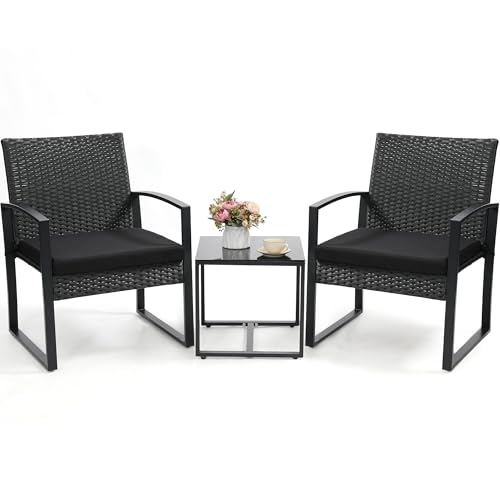
Then sketch a simple floor plan. Mark traffic paths so you can move between the door and the railing without squeezing past furniture. A good rule of thumb: leave at least 24 inches of clear walking space. For a small balcony, a common successful layout is a compact bistro set against one wall, leaving the opposite side open. For a slightly larger space, a two-seat conversation setup with a small side table fills the area without crowding it.
Measurement Checklist for Apartment Patios
Measure width and depth of the usable floor area · Note door swing radius and opening direction · Check railing height and whether local rules restrict hanging items · Identify sun exposure (morning vs. afternoon) · Confirm whether your lease allows mounted umbrellas or only freestanding models · Account for drainage slopes that may affect table stability.
Best Furniture Types for Apartment Patios
The most effective apartment patio furniture is modular, foldable, stackable, or multi-purpose. Here is a breakdown of the most practical categories, with guidance on which tier of product generally suits each need.
1. Bistro Sets and Compact Dining Sets
A two-person bistro set is the classic solution for narrow balconies. Look for round or square tables with a small footprint — many designs measure under 30 inches across, which fits comfortably beside a railing. Folding models store flat when not in use, making them ideal for renters who need flexibility. Entry-level bistro sets often use lightweight steel or aluminum frames, while mid-range and premium options add powder-coated finishes, heavier bases for wind resistance, and more comfortable seating profiles.
If your space allows for four seats, a compact square table with stackable chairs preserves floor space. Avoid full-size dining sets unless your patio is unusually generous; the walkway will disappear fast.
2. Folding and Stackable Chairs
Folding chairs are the most versatile seating for apartment patios. Modern models go well beyond basic camp chairs — you can find folding bistro chairs, folding Adirondack-inspired designs, and folding loungers with adjustable backrests. Stackable chairs are another space-efficient option for slightly larger balconies. For comfort, prioritize chairs with a slight recline and breathable materials such as textilene or mesh.
3. Modular and Multi-Purpose Seating
Modular outdoor sofas and sectionals let you reconfigure seating to match the moment — an L-shape for lounging, a straight line for entertaining. Small-scale modular pieces are increasingly common and fit balconies better than full-size sectionals. Multi-purpose pieces such as storage benches (seat plus cushion storage) and ottomans that double as side tables are especially valuable in tight spaces.
4. Balcony Bars and High-Top Tables
If your balcony railing has a view worth seeing, a bar-height table and two stools let you enjoy it at eye level. These setups take up less floor area than low dining sets because the vertical space does the work. Look for bar-height bistro sets with a small tabletop and compact stools that tuck underneath.
5. Hammocks, Loungers, and Relaxation Pieces
A hammock chair hung from a sturdy beam or a freestanding hammock frame can add serious relaxation value to a small patio. If hanging is not permitted, freestanding frames are the workaround — just confirm the footprint fits your space. A single adjustable lounge chair with a foldable frame is another renter-friendly way to add lounging without committing floor area.
Quick Comparison: Apartment Patio Furniture Categories
| Category | Best For | Space Efficiency | Typical Tier |
|---|---|---|---|
| Bistro set (2-seat) | Narrow balconies, morning coffee | High — small footprint, some fold flat | Entry-level to mid-range |
| Folding chairs | Flexible seating, storage-friendly | Very high — folds flat | Entry-level to mid-range |
| Modular sofa / sectional | Larger patios, lounging and entertaining | Moderate — reconfigurable but bulky | Mid-range to premium |
| Bar-height table + stools | View balconies, vertical space use | High — stools tuck under table | Mid-range |
| Storage bench | Seating plus cushion/gear storage | High — dual purpose | Mid-range |
| Hammock chair / freestanding hammock | Relaxation zone | Moderate — needs clearance | Entry-level to premium |
| Lounge chair (adjustable) | Sunbathing, reading | Moderate — folding frames help | Mid-range |
Choosing Materials for Apartment Conditions
Apartment patios face specific stresses: wind tunnels between buildings, limited airflow, rain exposure without full shelter, and often intense sun reflection off glass or concrete. The material you choose determines how long your furniture looks good and how much maintenance it demands.
Aluminum
Aluminum is the workhorse of apartment patio furniture. It is lightweight enough to move alone, naturally rust-resistant, and available with powder-coated finishes in a wide range of colors. Entry-level aluminum frames are common in folding chairs and bistro sets, while mid-range and premium aluminum pieces often use thicker gauge tubing and reinforced joints for stability in windy conditions.
Steel
Steel frames are strong and stable, which helps on windy balconies. However, untreated steel can rust. Look for powder-coated or galvanized steel, and check welds and joints carefully. Steel furniture tends to sit in the entry-level to mid-range tiers; high-end steel pieces use heavier coatings and better hardware.
Resin Wicker and Rattan
All-weather resin wicker offers the woven look of natural rattan with far better resistance to moisture and UV. It is a popular choice for balcony conversation sets. Mid-range resin wicker sets typically feature aluminum frames underneath the weave; premium versions use denser weaves and higher-grade resins that resist fading longer.
Wood and Bamboo
Acacia, teak, and bamboo bring warmth to a small space. Teak is naturally weather-resistant and sits in the premium and luxury tiers. Acacia is a solid mid-range choice when sealed properly. Bamboo is lightweight and visually airy — ideal for compact balconies — but needs re-oiling to stay weatherproof. Avoid untreated softwoods outdoors.
Fabric and Cushions
Cushions are where comfort lives, but they are also the first thing to suffer in apartment conditions. Choose solution-dyed acrylic or olefin fabrics labeled for outdoor use. Quick-dry foam cores prevent mildew after rain. If storage is tight, consider cushions with removable covers you can bring inside, or skip cushions entirely and choose sling or textilene seating that dries fast.
Wind-Proofing for Balconies
High-rise balconies funnel wind. Prefer heavier bases, fillable umbrella bases, and furniture with lower centers of gravity. Avoid lightweight plastic tables that tip easily. Secure folding chairs when not in use, and consider a small outdoor rug with a non-slip pad to reduce chair movement.
Renter-Friendly Strategies
If you rent, your furniture needs to survive moves, adapt to future spaces, and avoid permanent modifications. Prioritize foldable, stackable, and lightweight pieces. Freestanding umbrellas and clamp-on railing planters usually require no drilling. Avoid anchoring furniture to walls or railings without written permission. If you want shade without mounting hardware, a freestanding cantilever umbrella or a weighted-base market umbrella is the safest route.
Also think about disassembly. Furniture that breaks down into flat or compact parts moves far more easily than a rigid sofa. Keep the original hardware bags and instructions — future you will thank present you.
Styling a Small Patio: Design Principles That Work
Small spaces reward restraint. Choose a clear focal point — a bistro table, a lounge chair, or a planter arrangement — and build around it. Keep the color palette to two or three tones; a neutral base (charcoal, sand, white) with one accent (terracotta, sage, navy) reads as intentional rather than cluttered.
Go vertical. Railing planters, tiered shelves, and hanging planters add greenery without consuming floor area. An outdoor rug defines the seating zone and visually anchors the space — choose a low-pile, weather-resistant rug that fits with a small margin around the furniture. Lighting matters in the evening: battery or solar string lights and a small lantern create ambiance without wiring.
Do: Layer Heights
Mix a low table, mid-height chairs, and a tall planter or bar table. Vertical variety makes a small patio feel larger and more designed.
Don't: Overfill
Leave breathing room. A patio that is 60–70% furnished feels comfortable; a fully packed patio feels like storage. Fewer, better pieces win.
Do: Choose Foldables
Folding chairs and tables let you open the space for entertaining and clear it for daily use. Flexibility is the apartment superpower.
Don't: Ignore Storage
Cushions, covers, and small tools need a home. A storage bench or a weatherproof deck box keeps the patio tidy and protects your gear.
Maintenance and Seasonal Care
Apartment furniture is often exposed to more wind-driven rain and grit than a covered backyard setup. Wipe frames monthly with mild soap and water, and rinse resin wicker to clear dust from the weave. Bring cushions inside during heavy rain or store them in a water-resistant deck box. Before winter, clean and dry everything thoroughly, cover or store fabric items, and check fasteners for loosening. A simple routine keeps your setup looking sharp for years and protects your investment.
What to Check Before You Buy
- Footprint: Confirm the assembled dimensions against your measured space, including the tabletop overhang and chair pull-out clearance.
- Weight and portability: Can you move it alone? Will it stay put in wind? Balance the two.
- Assembly: Small-space furniture often ships flat-packed. Check whether tools are included and how many people assembly requires.
- Weather resistance: Look for rust-proof finishes, UV-resistant fabrics, and quick-dry foam.
- Storage behavior: Folding, stacking, or nesting designs save space between uses.
- Warranty and returns: Verify coverage on frames and fabrics, and understand return shipping terms before ordering.
- Building rules: Check HOA or lease restrictions on grills, umbrellas, and mounted items.
Frequently Asked Questions
What furniture fits on a small apartment balcony?
Bistro sets, folding chairs, stackable stools, storage benches, and small bar-height tables are the most reliable fits. Measure your usable floor area and keep at least 24 inches of walking clearance. Folding and nesting designs let you reconfigure the space as needed.
Is it okay to leave patio furniture outside on an apartment balcony?
Yes, if the furniture is designed for outdoor use and your building permits it. Choose rust-resistant frames and UV-resistant fabrics. Secure lightweight pieces in windy conditions and bring cushions inside during storms. Check your lease for restrictions on items left on balconies.
How do I shade an apartment balcony without drilling?
Use a freestanding cantilever umbrella with a weighted base, a market umbrella with a heavy fillable base, or a clamp-on umbrella that attaches to a railing without permanent hardware. Always confirm railing attachment rules with your building management.
What is the most durable material for apartment patio furniture?
Powder-coated aluminum offers the best balance of durability, light weight, and rust resistance for balconies. Teak is exceptionally durable for wood lovers, and high-grade resin wicker over aluminum frames holds up well in sun and rain.
Can I use indoor furniture on a covered balcony?
Only briefly. Indoor furniture lacks UV and moisture protection and will degrade outdoors. If your balcony is fully covered and sheltered, some indoor pieces may last longer, but outdoor-rated furniture is always the safer choice for longevity.
Ready to Furnish Your Apartment Patio?
Browse our recommended small-space patio products below — space-saving designs selected for balconies, terraces, and compact patios.
VIEW RECOMMENDED PRODUCTS