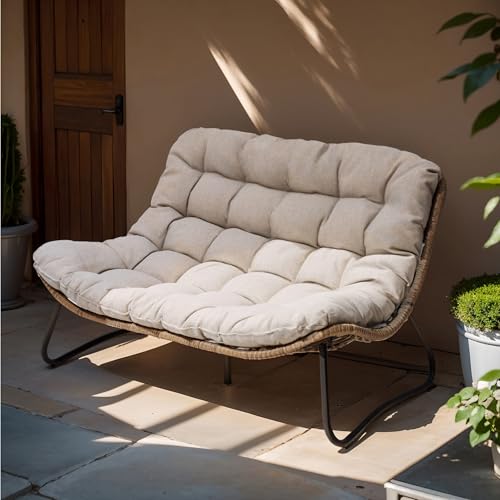
Balcony Outdoor Furniture for Small Spaces
Your balcony can be more than a storage corner. With the right compact furniture, clever layouts, and weather-smart materials, even a few square meters become a functional outdoor retreat. This guide walks you through every decision point before you buy.
Start the GuideWhy this guide matters: Small balconies fail for predictable reasons — oversized furniture, poor material choices, and layouts that block movement. The sections below help you avoid those mistakes so your compact space stays usable, comfortable, and easy to maintain season after season.
Start With the Space, Not the Furniture
Before browsing any catalog, measure your balcony precisely — length, width, railing height, and the swing clearance of any door that opens onto it. A common mistake is buying a set that fits on paper but leaves no walkway. As a rule of thumb, keep at least 60 cm (about two feet) of clear circulation path between furniture and walls or railings. On a balcony measuring roughly 1.5 by 3 meters, that usually means seating for two, not four.
Also note orientation and exposure. A south-facing balcony with no overhead cover receives intense sun and rain, which narrows your material choices considerably. A covered or recessed balcony is far more forgiving and opens up wood, fabric, and decorative options. If your space is partially enclosed, our guide to apartment outdoor living covers enclosure and privacy considerations that pair well with furniture planning.
Finally, map the "zones" you actually need: a spot to sit with coffee, a surface to set things down, and storage for cushions or small items. Three small, purposeful pieces almost always outperform one large set on a compact balcony.
The Furniture Types That Actually Fit
On small balconies, furniture should either fold, stack, nest, or serve two purposes. These categories consistently work best:
- Bistro sets — A two-seat table-and-chair pairing is the classic small-balcony solution. Bar-height versions use vertical space and feel less crowded than low dining sets. See our breakdown of a bar-height bistro table and chairs for sizing considerations.
- Folding and stacking chairs — Fold-flat chairs can hang on a wall hook or slide behind a door. Stacking chairs let you keep two out and store two away when guests leave.
- Wall-mounted or drop-leaf tables — A table that folds down against the railing frees the entire floor when not in use. This is the single highest-impact space-saving move on a narrow balcony.
- Nested side tables — Two or three nesting tables give you a drink surface, a plant stand, and a serving tray spot without permanent floor footprint.
- Compact lounge or club chairs — Slim-profile chairs with removable cushions offer comfort without the bulk of a full sofa. A pair of balcony furniture chairs plus a small table is a complete, workable setup.
- Storage benches — A bench with a lift-up lid doubles as seating and cushion storage, which matters enormously when you have no closet nearby.
Material Choices by Exposure and Tier
Material determines how long your furniture survives wind, rain, and UV exposure — and how much maintenance it demands. Rather than shopping by label alone, match the material to your balcony's conditions. The table below compares the common options using relative market tiers rather than absolute figures.
| Material | Market Tier | Best For | Maintenance |
|---|---|---|---|
| Powder-coated aluminum | Mid-range to premium | Exposed, rainy, or coastal balconies | Wipe-down; rust-resistant finish |
| High-density polyethylene (HDPE) | Entry-level to mid-range | Sun-heavy balconies; low-maintenance owners | Soap and water; UV-stable |
| All-weather wicker (resin weave) | Mid-range | Covered balconies wanting a warmer look | Occasional rinse; keep cushions dry |
| Teak or acacia hardwood | Premium to luxury | Sheltered balconies with a natural aesthetic | Annual sealing; oiling for teak |
| Folding steel with mesh | Entry-level | Temporary or rental setups | Dry thoroughly; touch up chips |
Entry-Level Tier
Folding steel or resin sets. Light, portable, and fine for renters or seasonal use. Expect to replace sooner in harsh exposure.
Mid-Range Tier
Powder-coated aluminum and resin wicker. The sweet spot for most balconies — weather-resistant and built to last several seasons.
Premium Tier
Solid hardwood and heavy-gauge aluminum. A long-term investment for sheltered spaces where appearance matters as much as durability.
If your balcony is fully exposed, avoid untreated wood and standard steel entirely — both degrade quickly. For more detail on weather resilience, our all-weather outdoor furniture overview explains coating technologies and weave density in plain terms.
Layout Strategies That Preserve Walkway Space
The layout matters as much as the furniture itself. Three patterns work reliably on compact balconies:
1. The Linear Layout
Place seating along the long wall or railing and keep the opposite side clear. This suits narrow balconies where a perpendicular arrangement would choke the walkway. A slim bench or two club chairs with a narrow console table behind them keeps sightlines open.
2. The Corner Cluster
Push a small table into one corner and angle two chairs around it. This creates a conversation nook while leaving the rest of the floor free. Corner clusters work especially well with round tables, which have no sharp edges to navigate around.
3. The Vertical Garden Approach
Use rail-mounted planters and wall shelving to move greenery and decor upward, freeing floor space for furniture. Pair this with a folding table that only deploys when you eat outdoors. Our balcony ideas collection has more on vertical styling.
Regardless of pattern, test the layout with painter's tape on the floor before purchasing. Walking the taped outline for a day reveals fit problems that measurements alone miss.
Shade, Privacy, and Comfort Add-Ons
On a small balcony, comfort details do as much work as the furniture. Shade is the first priority if your space faces the sun — a compact cantilever umbrella or a rail-mounted awning can turn an unusable afternoon balcony into a pleasant one. If you have overhead structure, a backyard shade solution adapted for a compact footprint works well.
Privacy comes second. Railing planters, bamboo screens, and fabric panels all block sightlines without consuming floor area. Third is lighting: battery or solar string lights and a single rechargeable table lamp provide evening ambiance without wiring. Keep these elements slim and removable so they never compete with seating space.
A Pre-Purchase Checklist for Compact Balconies
Before committing to any set, run through these checks:
- Measure the balcony and confirm a clear walkway remains after placement.
- Identify exposure (sun, rain, wind) and match materials accordingly.
- Confirm every piece folds, stacks, or nests if floor space is tight.
- Check railing height and rules — some buildings restrict hanging items.
- Verify door swing clearance and whether furniture blocks access.
- Decide storage: where will cushions and folding chairs live when not in use?
- Plan shade and privacy before buying decor, not after.
If you are furnishing from scratch, our broader buying guides section covers measurement techniques and warranty considerations that apply equally to small spaces.
Frequently Asked Questions
What type of furniture works best on a small balcony?
Folding or modular pieces such as bistro sets, stacking chairs, and wall-mounted or nested tables work best. Prioritize slim profiles, lightweight frames, and multi-purpose designs that can be stored or reconfigured when not in use.
How do I choose materials for balcony furniture in exposed conditions?
For an exposed balcony, prioritize powder-coated aluminum, high-density polyethylene, and all-weather wicker. These resist rust, UV fading, and moisture. Wood requires regular sealing and suits sheltered or covered areas.
Can I fit a dining area on a compact balcony?
Yes. A bar-height bistro table or a wall-mounted drop-leaf table creates a dining spot without blocking walkways. Pair it with folding or stacking stools that tuck underneath when not in use.
Is it worth buying a matching set, or mixing pieces?
On small balconies, mixing often works better. A compact table from one source and folding chairs from another can fit the space more precisely than a bundled set sized for larger patios. Prioritize fit over matching.
How do I protect balcony furniture in winter?
Stack or fold what you can and store it indoors. For pieces that stay outside, use fitted covers and elevate legs off wet surfaces. Aluminum and HDPE handle cold better than wood, but cushions should always be brought in.