Backyard Shade: The Complete Guide to Cooling Your Outdoor Space
From cantilever umbrellas and retractable awnings to pergolas and shade sails, discover how to plan, choose, and combine backyard shade solutions that keep your patio comfortable all season long.
Why backyard shade matters: A well-shaded yard does more than block the sun. It lowers surface temperatures on decks and patios, protects furniture and finishes from UV damage, and makes outdoor living usable during the hottest hours of the day. This guide walks you through every major shade category, helps you match a solution to your space and climate, and explains the features that separate entry-level products from premium and commercial-grade options.
Start With Your Shade Goals and Site Conditions
Before comparing products, define what you actually need. Shade planning works best when you map the sun's path across your yard at different times of day and in different seasons. A patio that bakes in afternoon sun has very different requirements from a morning-coffee corner that only needs light filtering.
- Measure the coverage area. Note the footprint of your dining table, seating zone, and any pathways that need protection. Shade should extend slightly beyond the area you want to cool.
- Track sun direction. Observe where shadows fall at 10 a.m., 2 p.m., and 5 p.m. West-facing patios typically need the most aggressive afternoon shade.
- Identify mounting options. Do you have a house wall or fascia for an awning, open ground for freestanding posts, or existing trees for a shade sail attachment?
- Factor in wind. Exposed, windy sites favor rigid structures or shade sails over lightweight umbrellas that must be closed during gusts.
- Decide on permanence. Retractable and removable options offer flexibility; fixed pergolas and built structures deliver maximum stability and design impact.
Main Backyard Shade Categories Compared
Each shade type has a distinct role. Most effective backyards layer two or more of these solutions to cover different zones and times of day.
Patio Umbrellas
The most flexible and accessible shade option. Market umbrellas fit through a table hole, while cantilever umbrellas offset the canopy to shade seating without a center pole. Mid-range models add crank lifts and tilt mechanisms; premium and commercial-grade models use heavier frames, solution-dyed fabrics, and wind vents for stability.
Retractable Awnings
Attached to the house, awnings deliver broad, continuous coverage directly over the patio. Manual models are an entry-level choice for small spaces, while motorized awnings with wind sensors represent the high-end tier. Look for water-resistant, UV-stable fabric and a sturdy aluminum frame for long-term durability.
Pergolas and Louvered Roofs
A freestanding or attached pergola adds architectural structure and can support climbing plants, lighting, and curtains. Louvered-roof pergolas let you adjust sun exposure throughout the day. Top-tier aluminum pergolas with integrated drainage are built to a near commercial-grade standard and last for decades.
Shade Sails
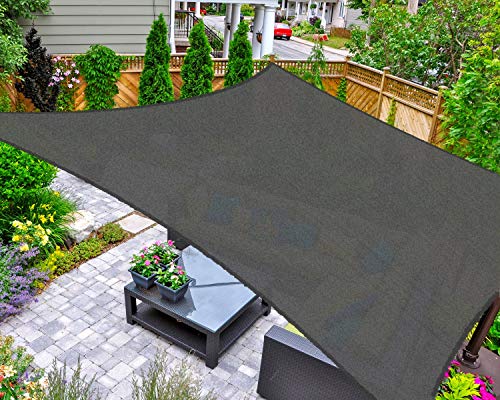
Tensioned fabric sails provide modern, sculptural shade over open areas where a rigid structure is impractical. They are effective over pools, play zones, and side yards. Entry-level sails use standard HDPE fabric, while balanced and top-tier versions use heavy-duty, UV-stabilized material with reinforced corners and stainless hardware.
Gazebos and Canopies
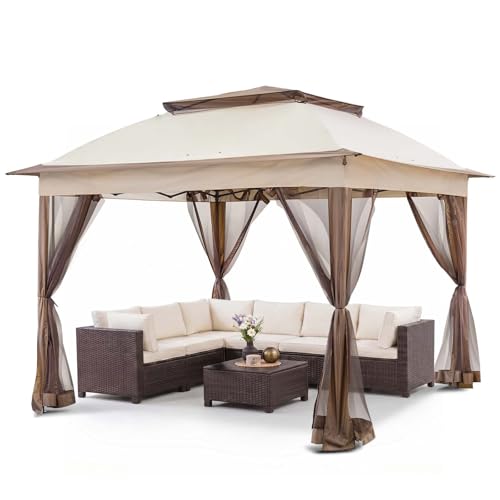
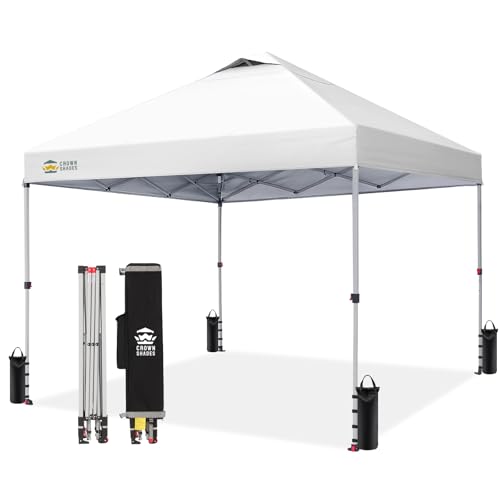
Pop-up canopies are a starter-tier solution for parties and temporary events. Permanent gazebos sit in the mid-tier and provide full overhead coverage with side walls for wind and privacy. Choose powder-coated steel or aluminum frames with weather-resistant coating for year-round use.
Natural Shade and Plantings
Fast-growing trees, tall hedges, and vine-covered trellises offer organic shade and cooling through transpiration. They require patience and maintenance but pair beautifully with built structures. Combine them with umbrellas or sails while young trees mature.
| Shade Type | Best For | Portability | Wind Resistance | Setup Effort |
|---|---|---|---|---|
| Market umbrella | Dining tables, small patios | High | Moderate | Low |
| Cantilever umbrella | Lounge seating, offset shade | Moderate | Moderate to high | Low to moderate |
| Retractable awning | House-adjacent patios and decks | None | Moderate (retract in gusts) | Professional install recommended |
| Pergola | Defined outdoor rooms, entertaining | None | High | Moderate to high |
| Shade sail | Open yards, pools, play areas | None | Moderate to high | Moderate |
| Gazebo | Full-coverage lounging, hot tubs | Low to none | High | Moderate to high |
Choosing the Right Patio Umbrella
Umbrellas are where most backyard shade projects begin, and the category spans a wide range of quality. Entry-level market umbrellas use lighter frames and basic polyester fabric that may fade after a couple of seasons. Mid-range models introduce crank mechanisms, push-button tilts, and thicker canopy fabric. Premium and commercial-grade umbrellas feature powder-coated aluminum or hardwood frames, solution-dyed acrylic canopies, and wind vents that reduce lift during breezy afternoons.
For dining areas, match canopy diameter to table size: the umbrella should overhang the table edge by roughly two feet on every side. For lounge seating, a cantilever umbrella with a rotating base gives you shade without a pole in the middle of your conversation area. If your patio gets strong afternoon sun, a tilt mechanism is worth prioritizing. Pair your umbrella choice with a compatible table by browsing dining sets with an umbrella hole or review dedicated large patio umbrella options with integrated lighting for evening use.
Awnings: Attached Shade That Feels Built-In
A retractable awning is the most efficient way to shade a house-adjacent patio because it uses the structure of your home for support and coverage. Manual crank awnings suit smaller openings and represent an entry-level entry into permanent shade. Motorized awnings with wind and sun sensors sit in the high-end tier and are convenient for large spans or hard-to-reach installations.
When evaluating awnings, look at the fabric weight, UV rating, and frame material. A weather-resistant coating and mildew-resistant fabric extend service life considerably. Consider how the awning interacts with existing structures — if you are planning a larger covered area, our guide to adding a covered patio to a house explains how awnings and roofed additions compare. For freestanding layouts, an awning overview and the awning selection guide for patios cover mounting and sizing considerations in more detail.
Pergolas and Shade Sails: Structure and Style
Pergolas create a defined outdoor room and support layers of shade — louvered roofs, fabric canopies, climbing vines, or shade cloth. A traditional open-beam pergola gives partial, dappled shade, while a louvered-roof pergola lets you dial coverage up or down. Attached pergolas integrate with the house roofline; freestanding versions define zones in larger yards. For a broader comparison of attached structures, see our guide to attached patio covers.
Shade sails excel in open areas. Their tensioned geometry blocks direct sun while allowing airflow, and they add visual interest from above. Installation quality matters more than sail size: solid anchor points, correct tension, and stainless hardware prevent sagging and wind damage. A well-installed sail can serve as a balanced-tier solution for poolside or play zones that would otherwise need a much larger built structure.
Layering Shade for All-Day Comfort
The most comfortable backyards combine strategies. A common effective pattern is a retractable awning over the dining and cooking zone, a cantilever umbrella near lounge seating, and a shade sail or pergola over a secondary area such as a pool deck or fire pit corner. Layering lets you follow the shade as the sun moves and keeps at least one cool zone available regardless of the hour.
If your project is part of a larger outdoor refresh, coordinate shade with seating and dining plans. A backyard patio set or an umbrella-ready nine-piece dining set will perform better when the shade above it is sized correctly. For balcony and smaller footprints, compact balcony furniture for small spaces pairs naturally with a single offset umbrella.
Materials, Durability, and Long-Term Care
Fabric choice drives longevity. Solution-dyed acrylic resists fading and mildew better than standard polyester, and it is the standard in premium canopies. HDPE shade fabric is the workhorse material for sails and shade cloth because it breathes and blocks UV effectively. Frame material matters just as much: powder-coated aluminum is lightweight and rust-resistant, steel is stronger but heavier, and hardwood offers a classic look with seasonal maintenance requirements.
Maintenance is straightforward. Clean fabric canopies with mild soap and water, dry them fully before folding or retracting, and store removable covers during the off-season. Inspect frames and anchors each spring for loose bolts, rust spots, and fabric wear. In high-wind regions, retract awnings and close umbrellas when storms approach — no fabric shade is designed to survive sustained gale-force winds.
Frequently Asked Questions About Backyard Shade
What is the best type of backyard shade for a sunny patio?
How do I choose the right size patio umbrella?
Are shade sails suitable for residential backyards?
How do I maintain backyard shade structures?
Can I combine multiple shade types in one backyard?
Plan Your Shade, Then Shop With Confidence
Use this guide to map sun exposure, choose the right shade categories for each zone, and prioritize the features that matter — fabric quality, frame material, and wind handling. Once your plan is set, explore the recommended products below to find options that fit your layout and preferred tier.