Adding a Covered Patio to a House
Extend your living space, boost home value, and enjoy the outdoors in any weather. This complete guide covers design, materials, costs, permits, and furniture ideas.
Shop Patio Products →Adding a covered patio to your house is one of the most rewarding home improvement projects you can undertake. It transforms your backyard into a versatile living area, protects your furniture from the elements, and creates a seamless indoor-outdoor flow. Whether you envision a cozy retreat for morning coffee or a spacious entertainment zone for weekend barbecues, a covered patio delivers both function and beauty.
This guide walks you through every step of the journey — from planning and design to material selection, budgeting, and furnishing. By the end, you'll have the confidence to move forward with your project and create an outdoor space you'll enjoy for years to come.
Why Add a Covered Patio to Your House?
☀️ All-Weather Comfort
Enjoy your outdoor space rain or shine. A covered patio provides shade from harsh sun and shelter from unexpected rain, making it usable year-round.
🏠 Increased Home Value
According to real estate experts, a well-designed covered patio can deliver up to 70–80% return on investment, making it a smart financial decision.
🛋️ Extended Living Space
Effectively add a new "room" to your home without the cost of a full addition. It's perfect for dining, lounging, or hosting gatherings.
🎨 Design Flexibility
From rustic wood pergolas to sleek aluminum awnings, you can match any architectural style and create a truly custom outdoor oasis.
Types of Patio Covers: Which Is Right for You?
Choosing the right patio cover depends on your budget, aesthetic preferences, and local climate. Here are the most popular options:
- Pergolas: Open-roof structures with slatted beams that provide partial shade. Great for climbing plants and string lights. Often more affordable and DIY-friendly.
- Solid Roof Covers (Aluminum or Steel): Fully enclosed roofs that offer maximum protection from rain and sun. Durable, low-maintenance, and available in various colors.
- Retractable Awnings: Fabric covers that can be extended or retracted as needed. Perfect for those who want flexibility and sun control.
- Wood Roof Covers: Classic and warm aesthetic. Requires regular maintenance (sealing, staining) but offers timeless charm.
- Glass or Polycarbonate Covers: Allow natural light while protecting from rain. Great for creating a bright, airy feel.
💡 Pro Tip: Consider your local weather patterns. If you live in a rainy or snowy region, a solid roof or polycarbonate cover is a wise choice. For sunny, mild climates, a pergola or retractable awning offers excellent versatility.
How Much Does It Cost to Add a Covered Patio?
The total cost depends on size, materials, labor, and additional features. Below is a realistic estimate for a standard 200–300 sq. ft. covered patio project. Prices reflect current market conditions.
| Component | Estimated Cost |
|---|---|
| Permits & Engineering | $400 – $1,200 |
| Foundation & Flooring (concrete, pavers) | $2,000 – $6,000 |
| Patio Cover Structure (materials + labor) | $3,500 – $10,000 |
| Electrical & Lighting | $500 – $2,000 |
| Furniture & Decor (seating, dining, accessories) | $1,500 – $5,000+ |
| Total (Average Range) | $7,900 – $24,200+ |
For a smaller DIY pergola project, costs can start around $2,500. For a high-end custom covered patio with full roof, outdoor kitchen, and premium furniture, expect to invest $30,000 or more.
Permits and Regulations: What You Need to Know
Before starting construction, check with your local building department. Most jurisdictions require permits for covered patios, especially if they are attached to the house or exceed a certain size.
- Building Permits: Required for structural changes, electrical work, and sometimes for any covered structure over 120 sq. ft.
- Setback Requirements: Your patio cover must be a certain distance from property lines — typically 5–10 feet.
- HOA Approvals: If you live in a community with a homeowners association, review their architectural guidelines before starting.
- Zoning Laws: Some areas restrict the height of structures or require specific materials to match neighborhood aesthetics.
📋 Action Step: Contact your local building department for a clear checklist of requirements. It's better to spend a few hundred dollars on permits than to face fines or be forced to remove your new patio.
Design & Layout Ideas for Your Covered Patio
Your covered patio should reflect your lifestyle. Here are design ideas to inspire you:
- Dining Zone: Place a 6-seater dining set under the cover for al fresco meals. Add a round table for a more intimate feel.
- Lounge Area: Arrange a comfortable sectional sofa or chaise lounges for relaxation. Consider a zero-gravity chair for ultimate comfort.
- Outdoor Kitchen & Bar: Incorporate a grill station, mini-fridge, and bar-height dining set for entertaining.
- Fire Pit Focus: Center your seating around a fire pit table for cozy evenings and year-round enjoyment.
- Cozy Nooks: Add a porch swing or a swing bed for a unique focal point.
- Lighting: String lights, lanterns, and wall sconces create ambiance and extend usability into the night.
Choosing Materials & Finishes
Selecting the right materials ensures durability and aesthetic appeal. Consider these factors:
- Roofing: Aluminum (lightweight, rust-proof), steel (strong, modern), wood (natural, warm), polycarbonate (light-transmitting, impact-resistant).
- Flooring: Concrete (durable, affordable), pavers (versatile, elegant), composite decking (low-maintenance, slip-resistant), or stamped concrete (custom patterns).
- Ceiling & Beams: Exposed wood beams add character; aluminum or vinyl soffits offer a clean, maintenance-free look.
- Furniture Materials: For longevity, choose all-weather wicker, powder-coated aluminum, or teak. Always use protective covers for off-season storage.
Furnishing Your Covered Patio: Product Recommendations
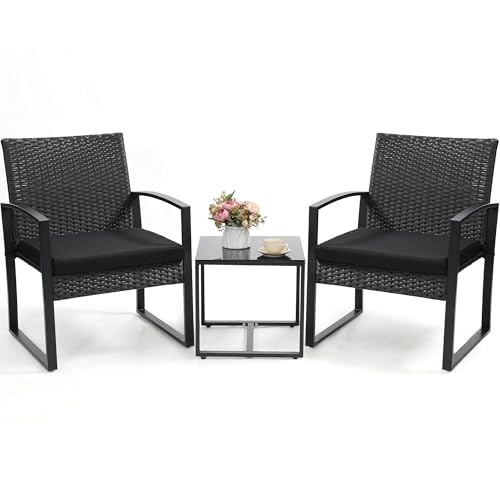
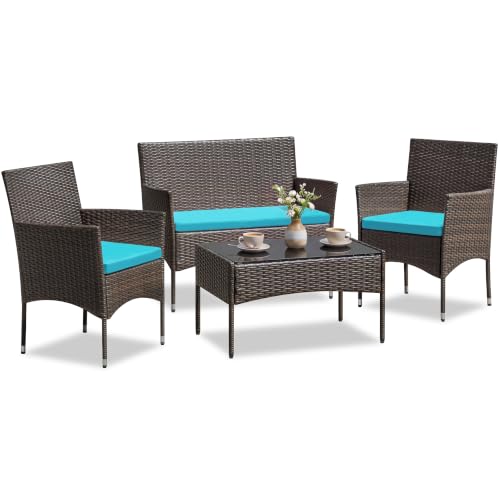
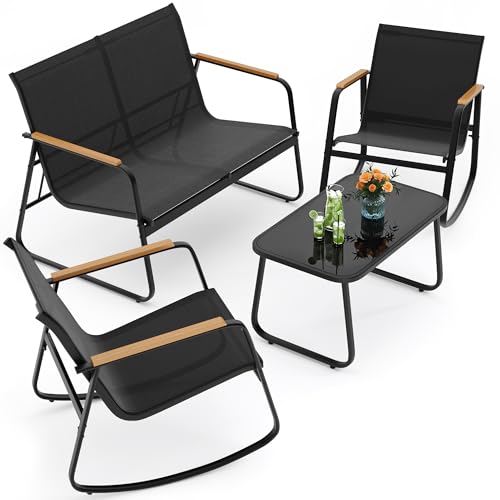
Once the structure is complete, it's time to outfit your new outdoor room. Choose furniture that fits your space, climate, and lifestyle. Here are top categories to consider:
- Dining Sets: Opt for 6-seater sets or round table sets for family meals.
- Seating: Comfortable chairs with cushions, sectional sofas, or deep-seat cushions for lounging.
- Fire Pits & Heaters: Extend your patio season with a fire pit table or infrared heater.
- Shade & Privacy: Add umbrellas, outdoor curtains, or privacy screens for extra comfort.
- Accessories: Complete the look with outdoor rugs, lighting fixtures, and planters for greenery.
Scroll down to see our curated selection of recommended products for your new covered patio.
Maintenance Tips for Your Covered Patio
Keep your covered patio looking great for decades with these simple maintenance routines:
- Roof & Gutters: Clean debris and inspect for leaks twice a year. For wood structures, re-seal or stain every 2–3 years.
- Flooring: Sweep regularly and wash with mild detergent. Seal concrete or pavers every few years to prevent staining.
- Furniture Care: Use weatherproof covers during harsh seasons. Clean cushions and frames with appropriate cleaners (see our furniture cleaner guide).
- Pest Prevention: Install mosquito control solutions and check for wasp nests regularly.
Your Covered Patio Project Checklist
- Plan: Define your budget, size, and desired features.
- Research: Explore designs and materials that suit your climate and style.
- Permits: Submit applications and secure approvals.
- Contractors: Get multiple quotes and check references.
- Construction: Schedule and oversee the build.
- Furnish: Select durable, comfortable pieces from our recommended list.
- Enjoy: Host a gathering and make lasting memories.
Adding a covered patio to your house is a significant investment, but the rewards — in lifestyle, enjoyment, and home value — are immense. Start your project today and create the backyard of your dreams.