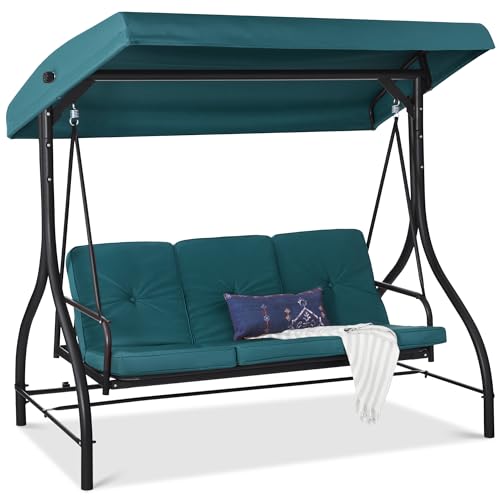
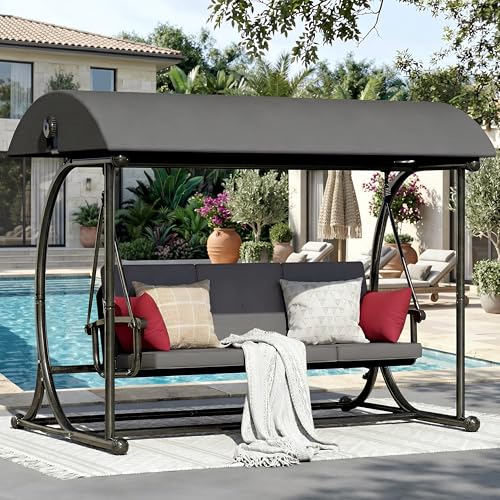
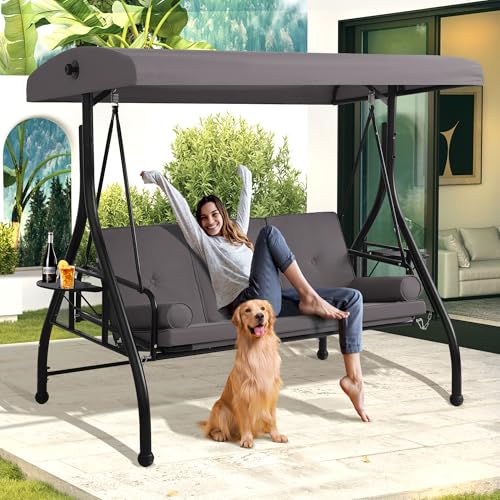
A porch swing that converts to a bed is one of the most versatile pieces of outdoor furniture you can own. During the day it functions as a comfortable hanging seat for reading, coffee, or conversation. When the sun sets or guests arrive, the same platform folds, slides, or reclines into a flat sleeping surface. For homeowners researching this category, the real question is not whether a convertible swing is useful — it clearly is — but which design, frame, and mattress system fits your porch, your climate, and your household.
This guide walks through the mechanics of sleeper swings, the materials that hold up outdoors, the practical differences between a dedicated porch swing bed and a convertible model, and the features that separate entry-level units from premium designs. By the end, you should have a clear shortlist of what to verify before placing an order.
Key insight: A convertible swing is only as good as its frame and suspension hardware. The folding or reclining mechanism is the headline feature, but the frame, chains, and mounting points determine safety and long-term durability.
How a Convertible Porch Swing Works
Most sleeper swings fall into one of three mechanical families:
1. Flat-Fold Backrest
The backrest is hinged at the seat and folds down to lie flush with the seat platform. This is the simplest and most common design. The result is a flat surface roughly the size of a twin or full mattress, depending on the swing width. Flat-fold models are typically lighter and easier to operate, but the sleeping surface is usually shallower than a dedicated swing bed.
2. Pull-Out Platform
A secondary platform slides out from beneath the seat, extending the depth of the swing into a larger bed. Pull-out designs often sleep two adults more comfortably, but they require more clearance behind and below the swing. Check the extension length against your porch depth before committing.
3. Reclining Multi-Position
The backrest adjusts through several angles and locks flat for sleeping. This is the most flexible option and works well for lounging as well as sleeping. The trade-off is more moving parts, which means more hardware to inspect and maintain.
Regardless of mechanism, the conversion should feel smooth and secure. A well-built unit locks firmly in both the seated and flat positions, with no wobble at the hinge points.
Frame and Material Options
The frame is what keeps you safely suspended, so material choice matters more than styling. Here is how the main options compare:
Solid Hardwood
Classic look and a warm feel. Treated hardwood resists rot well when sealed, but requires periodic re-oiling. Heavier than metal, which can affect hanging hardware.
Powder-Coated Aluminum
Lightweight and highly rust-resistant. Ideal for humid or coastal porches. Aluminum frames need less maintenance but may feel less substantial than wood.
Powder-Coated Steel
Very strong and stable for wide sleeper swings. Look for rust-proof finishes and reinforced welds. Heavier, so mounting points must be solid.
Wicker and Resin Weave
Attractive and weather-friendly, often over an aluminum frame. Weave quality varies widely; tighter weaves and UV-stabilized resin last longer.
If your porch is exposed to rain or salt air, a powder-coated aluminum frame paired with a weather-resistant weave is a sound long-term investment. For covered porches, treated hardwood offers a traditional aesthetic that many buyers prefer. If you are comparing broader seating options, our guide to porch furniture covers complementary pieces that pair well with a sleeper swing.
Convertible Swing Styles Compared
Use this table to match a style to your intended use. Tier descriptors reflect market positioning, not numerical pricing.
| Style | Tier | Best For | Sleeping Surface | Notes |
|---|---|---|---|---|
| Flat-fold backrest swing | Entry-level | Single sleeper, casual naps | Twin-sized, shallow | Simplest mechanism, lighter frame |
| Pull-out platform swing | Mid-range | Couples, overnight guests | Full-sized, deeper | Needs more porch clearance |
| Reclining multi-position swing | Premium | Lounge and sleep flexibility | Full-sized, adjustable | More hardware to maintain |
| Dedicated swing bed with flat deck | High-end tier | Primary outdoor daybed | Full or queen | Not a conversion — always flat |
| Heavy-duty commercial-grade frame | Commercial-grade | High-traffic porches, rentals | Full-sized, reinforced | Solid build, long-term investment |
If you already know you want a permanently flat platform rather than a convertible mechanism, a dedicated porch swing bed is the more straightforward choice. Convertible models make more sense when you genuinely need both seated and sleeping configurations from one footprint.
What to Check Before Buying
Weight Capacity and Suspension
Verify the rated load and add a safety margin. A swing holding two adults plus a mattress and bedding needs hardware rated well above the combined weight. Look for heavy-duty chains or cables, reinforced mounting plates, and a frame that does not flex under load.
Porch Clearance and Swing Depth
Measure the depth of your porch, the height of your ceiling or beam, and the space the swing needs to convert. Pull-out models require clearance behind the swing; reclining models need headroom for the backrest arc. A swing that converts but cannot fully extend on your porch is a poor fit.
Mattress and Cushion System
The sleeping surface is only as comfortable as its mattress. Look for removable, washable covers and quick-dry foam or fiber fill. Dedicated swing-bed mattresses are usually thicker than standard swing cushions; confirm whether the convertible model accepts a standard replacement or requires a proprietary size.
Weather Resistance
Check the finish, the hardware coating, and the fabric rating. Rust-proof finishes, UV-stabilized fabric, and sealed wood all extend lifespan. If the swing stays outside year-round, plan for a cover or seasonal storage for the mattress.
Hardware and Assembly
Stainless steel or galvanized hardware resists corrosion. Review the assembly instructions before buying — some convertible swings arrive partially assembled, while others require significant setup. Confirm the mounting method matches your porch structure.
Maintenance and Long-Term Care
A convertible swing has more moving parts than a fixed bench, so maintenance matters. Inspect hinge points and locking mechanisms each season. Tighten bolts and check chain links for wear. Clean the frame according to the manufacturer's guidance, and store or cover the mattress during off-season months. For broader care routines, our outdoor care section covers cleaning, weatherproofing, and storage in detail.
If the swing hangs from a stand rather than your porch structure, review the porch swing with stand guide to make sure the base is rated for the added weight of a convertible model.
Frequently Asked Questions
How does a porch swing that converts to a bed work?
Most convertible swings use a flat-folding backrest, a pull-out platform, or a reclining multi-position mechanism. The backrest folds down or the platform extends to create a level sleeping surface supported by a reinforced frame and locking hardware.
What weight capacity should I look for in a sleeper porch swing?
Choose a frame rated for at least two adults plus the mattress and bedding. Heavy-duty models support higher loads and use reinforced hardware, thicker chains, and solid hardwood or powder-coated steel frames. Always leave a safety margin above your expected combined weight.
Can a convertible porch swing stay outside year-round?
It depends on the materials. Powder-coated aluminum and treated hardwood handle weather better, but mattresses and cushions should be covered or stored during the off-season. Check the manufacturer's weather-resistance rating and follow the care instructions.
What is the difference between a porch swing bed and a standard porch swing?
A porch swing bed is wider and deeper, with a flat platform designed for lounging or sleeping. A standard porch swing is narrower and built mainly for upright seating. A convertible swing sits between the two, offering both configurations.
Do I need a special mounting point for a convertible swing?
Yes. Because sleeper swings are heavier than standard swings, the ceiling beam or stand must be rated for the load. Reinforced mounting plates, heavy-duty chains, and correct beam attachment are essential for safety.
How do I choose between a flat-fold and a pull-out model?
Flat-fold models are simpler and suit single sleepers or shallow porches. Pull-out models provide a larger sleeping surface for couples but require more clearance behind and below the swing. Measure your space before deciding.
Ready to Compare Convertible Swings?
Browse recommended models, check feature sets, and find the right fit for your porch. Compare styles and specifications side by side.
COMPARE FEATURES