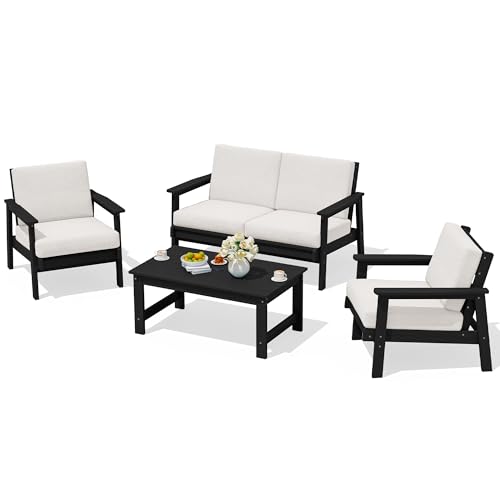
All Weather Patio Furniture: Built to Endure Every Season
Rain, sun, wind, or snow — learn how to choose outdoor furniture engineered to stay beautiful and functional year after year. Compare materials, construction, and design with confidence.
Explore Materials & ConstructionWhy all weather furniture matters: Ordinary outdoor furniture often looks great on day one but fades, warps, or rusts within a season or two. All weather patio furniture is specifically engineered with materials, coatings, and construction methods that resist moisture, UV radiation, temperature swings, and pest damage. This guide breaks down exactly what to look for so you can make a confident, long-term investment for your outdoor space.
What Makes Patio Furniture Truly All Weather?
"All weather" is not a single material or a marketing label — it is the result of several design decisions working together. A genuinely all weather piece combines a weather-resistant frame, corrosion-proof hardware, drainage-friendly surfaces, and UV-stable finishes. When one of these elements fails, the entire piece suffers.
The most important factor is the frame material. Powder-coated aluminum is widely considered the gold standard for structural resilience because it will not rust, is lightweight enough to rearrange, and holds up under heavy wind and rain. Teak and other dense hardwoods offer natural oils that repel water, while high-density polyethylene (HDPE) wicker delivers the look of natural rattan without the vulnerability to moisture and sun damage.
Equally important is the cushion and fabric system. Solution-dyed acrylic and olefin fabrics resist fading and mildew far better than standard polyester. Quick-dry foam cores prevent water from pooling inside cushions, which is a common cause of mold and unpleasant odors. If you want to explore how these principles apply to seating specifically, our guide to outdoor sectionals with waterproof cushions covers the topic in depth.
Material Comparison: Which All Weather Option Is Right for You?
There is no single best material for every situation. The right choice depends on your climate, how often you rearrange furniture, and the aesthetic you want. Below is a breakdown of the most common all weather materials, organized by their market position so you can match each option to your priorities.
Powder-Coated Aluminum
The most structurally reliable all weather frame material. The powder coating creates a sealed barrier against moisture, and aluminum itself never rusts. Ideal for windy and rainy climates.
Teak & Dense Hardwoods
Natural teak oils repel water and resist insects. Over time, teak develops a silver-grey patina that many homeowners prefer. Requires occasional oiling if you want to maintain the original honey tone.
HDPE Wicker over Aluminum
High-density polyethylene wicker mimics natural rattan while resisting UV fading, cracking, and moisture. When wrapped around an aluminum frame, it delivers excellent durability with a warm, textured look.
Cast Aluminum
Cast aluminum is heavier than tubular aluminum and allows for ornate detailing. It is rust-proof and highly durable, though it can be more prone to chipping if the finish is thin. Choose pieces with a thick powder coat.
Resin & Polypropylene
Modern resin furniture has improved dramatically. High-quality polypropylene is UV-stabilized, stackable, and genuinely all weather. It is lighter and less rigid than aluminum but offers excellent moisture resistance.
Metal & Steel with Rust-Proof Finish
Steel is strong but must be treated to resist rust. Look for galvanized or powder-coated steel with sealed joints. Avoid bare steel in humid or coastal climates.
If you want a deeper comparison of coating technologies, our article on powder-coated cast aluminum patio furniture explains how the finish affects longevity and appearance over time.
All Weather Furniture at a Glance
Use this comparison to quickly match material types to your climate and lifestyle. The tier column reflects market positioning, not a judgment of quality — an entry-level piece can still be an excellent all weather performer when the construction is sound.
| Tier | Material | Best For | Weather Resilience | Maintenance Level |
|---|---|---|---|---|
| Top-Tier | Powder-Coated Aluminum | Windy, rainy, coastal climates | Excellent — rust-proof and sealed | Low — wipe down occasionally |
| Premium | Teak & Dense Hardwood | Classic aesthetics, covered patios | Very good — natural oils repel water | Moderate — oil annually if desired |
| Mid-Range | HDPE Wicker over Aluminum | Family spaces, transitional styles | Excellent — UV and moisture resistant | Low — rinse and dry |
| Essential Tier | Cast Aluminum | Traditional dining, ornate detailing | Very good — rust-proof, chip-resistant finish | Low — avoid abrasive cleaners |
| Starter Tier | UV-Stabilized Resin | Poolside, casual, stackable seating | Very good — moisture-proof, UV-stable | Very low — hose off |
| Balanced Tier | Coated Steel / Metal | Sturdy dining, industrial looks | Good — depends on finish quality | Moderate — inspect for chips |
Cushions and Fabrics: The Often-Overlooked All Weather Factor
A weather-proof frame is only half the equation. Cushions and fabrics are frequently the first components to fail in outdoor furniture, and they are often the most expensive to replace. When evaluating all weather pieces, pay close attention to the fabric composition and foam quality.
Solution-dyed acrylic is the leading all weather fabric. The color is infused into the fiber itself rather than applied as a surface dye, which means it resists fading from UV exposure far better than standard fabrics. Olefin is another strong performer — it is inherently moisture-resistant and quick-drying. Avoid standard polyester or cotton blends unless the furniture is kept under a covered porch.
For cushions, look for open-cell or quick-dry foam. These materials allow water to pass through rather than becoming saturated. A saturated cushion is heavy, slow to dry, and prone to mildew. If you are building a seating arrangement from scratch, our guide to sets of 4 patio chair cushions and outdoor seat cushions in 24 x 24 sizes can help you match the right dimensions and fabric spec to your frames.
For a complete overview of how to protect every component of your outdoor setup, see our dedicated outdoor weatherproofing guide.
All Weather Buying Checklist
- Frame material: Confirm it is powder-coated aluminum, teak, HDPE wicker, or UV-stabilized resin — and that hardware is stainless steel or similarly rust-proof.
- Fabric spec: Choose solution-dyed acrylic or olefin for cushions and slings; avoid untreated polyester and cotton.
- Drainage design: Tables should have umbrella holes with proper drainage; chairs should not trap water in seat frames.
- Weight and stability: Heavier pieces are less likely to blow over in wind, but lighter aluminum is easier to move. Balance according to your climate.
- Joint construction: Welded aluminum joints outperform bolted connections in all weather conditions; check for reinforcement at stress points.
- Cushion attachment: Look for ties, straps, or non-slip backing to keep cushions in place during wind and rain.
- Storage flexibility: Stackable or foldable pieces make seasonal storage easier, especially in climates with harsh winters.
- Warranty coverage: A strong warranty on frames and fabric is a reliable signal that the manufacturer trusts its all weather engineering.
All Weather Furniture by Outdoor Space
Different outdoor areas place different demands on furniture. A poolside lounger faces constant splash and sun, while a covered porch is largely protected. Matching the material to the environment is the key to getting the most from your all weather investment.
Dining Areas
Dining sets need stable, heavy frames that will not shift during meals. A patio dining set in powder-coated aluminum or cast aluminum is an excellent all weather choice. If your dining area is exposed to sun, consider a patio dining set with umbrella — the umbrella hole and base system should be designed for wind resistance. For larger families, a patio dining set with umbrella that seats 6 balances stability with everyday usability.
Lounge and Conversation Zones
Conversation sets benefit from modular flexibility and deep seating comfort. An outdoor sectional sofa in HDPE wicker over aluminum is a natural fit for all weather living, especially when paired with quick-dry cushions. If you want a single coordinated package, a patio furniture set or patio conversation set simplifies the selection process and ensures material consistency across pieces.
Small Spaces and Balconies
All weather construction is just as important on a balcony as it is in a large backyard. A small outdoor patio setup benefits from compact pieces like a small outdoor table and lightweight swivel chairs. For a complete compact arrangement, consider an outdoor table and chairs set in resin or aluminum.
Poolside and Sun Areas
Poolside furniture faces the most aggressive combination of sun, chlorine, and moisture. Pool loungers in UV-stabilized resin or powder-coated aluminum are the most practical all weather options. If you prefer in-water relaxation, in-pool lounge chairs are designed specifically for continuous water exposure.
Shade and Structure
All weather shade structures complete the outdoor room. A patio umbrella with a solution-dyed canopy and a weighted base extends the usable hours of any patio. For a more permanent solution, a pergola provides year-round structure and can be paired with all weather seating beneath it.
How to Keep All Weather Furniture Performing for Years
Even the most resilient materials benefit from routine care. The good news is that all weather furniture generally requires far less maintenance than traditional outdoor pieces. A few simple habits make a measurable difference:
Clean regularly with mild soap and water. Dirt and pollen trap moisture against surfaces, which can accelerate wear. Avoid abrasive cleaners on powder-coated and anodized finishes — they can dull the protective layer.
Use breathable covers during extended disuse. Covers protect against debris and UV exposure, but they must allow air circulation. Non-breathable covers can trap condensation and create a humid microclimate that encourages mildew. For a deeper look at covering strategies, see our guide to weatherproofing outdoor furniture.
Store cushions during heavy rain and off-season. Even quick-dry cushions last longer when they are not continuously exposed. A storage bench or deck box keeps them dry and extends fabric life.
Inspect hardware and joints seasonally. Tighten bolts, check for chipped powder coat, and touch up any exposed metal with a matching paint pen. Small repairs prevent larger problems.
If you are setting up a brand-new outdoor space and want a complete plan, our patio planning hub is a good starting point, and the small patio guide offers space-specific advice for compact areas.
Frequently Asked Questions
Ready to Choose Your All Weather Furniture?
Use the material guide above to narrow down your options, then explore our recommended pieces below. Every selection is built to handle real outdoor conditions — so you can spend less time maintaining and more time enjoying your patio.
View Recommended All Weather Picks