Outdoor Small Table: The Complete Guide to Compact Patio Tables
Everything you need to know before choosing a small outdoor table for a balcony, porch, or compact patio — sizes, materials, layouts, and practical buying advice from people who study outdoor furniture for a living.
Jump to Buying GuideWhy this guide exists: If you already know you want a compact table for your outdoor area, you are past the browsing stage. What you likely need now is clarity — which size actually fits your space, which materials hold up in your climate, and which features matter once the table is sitting on your deck. This guide walks through each of those decisions in order so you can move from research to a confident purchase.
Why a Small Outdoor Table Is Often the Smartest Choice
Large dining sets dominate the outdoor furniture market, but they are not the right answer for every home. A compact table earns its place in several common situations:
- Balconies and apartment terraces where floor area is measured in square feet rather than square yards. A small table preserves walking room while still giving you a place for morning coffee or an evening drink.
- Porches and entryways that benefit from a landing surface for keys, plants, or a cup of tea. A narrow console-style table works especially well against a wall or railing.
- Side seating areas beside a larger sofa or sectional, where a side table holds drinks and a book without blocking circulation. This is where a patio side table with a glass top shines.
- Fire pit zones that need a surface for drinks and small items while people sit in lounge chairs. A dedicated round fire pit table can combine warmth and surface area in one footprint.
- Flexible layouts where furniture gets rearranged often. Small tables are easy to move, easy to store, and easy to repurpose between seasons.
The takeaway is simple: a small table is not a compromise. For many outdoor spaces, it is the most functional piece you can add, because it fills a real need without consuming space you will miss later.
Types of Outdoor Small Tables
Before comparing materials, it helps to understand the main categories. Each type solves a slightly different problem, and the right choice depends on how you plan to use the table.
Bistro Tables
Bistro tables are the classic compact option: a round top, usually between 20 and 28 inches across, paired with a pedestal or folding base. They are designed for two people and fit naturally into balconies, small patios, and breakfast nooks. A wicker bistro set often bundles the table with two matching chairs, which simplifies layout planning. Look for a locking mechanism if the table folds, and check that the base is stable on your surface.
Side Tables and End Tables
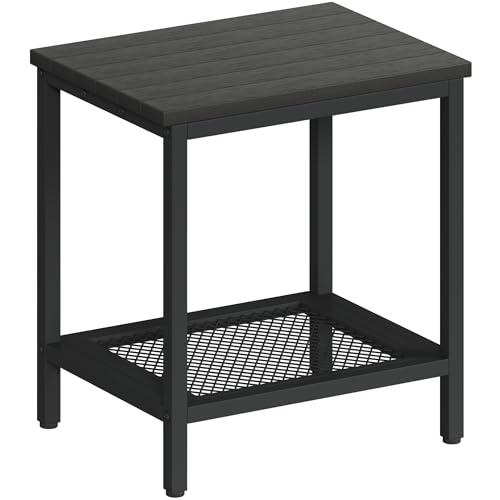
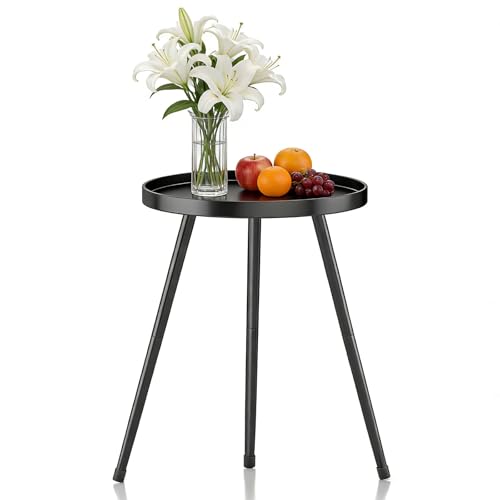
Side tables are smaller still — typically 16 to 22 inches wide — and are meant to sit beside a chair or sofa rather than anchor a seating area. They are the natural companion to a patio chair set or a lounge arrangement. Stability matters more than surface area here: a lightweight side table that tips when someone leans on it is a daily annoyance.
Folding and Portable Tables
Folding tables prioritize storage and mobility over permanence. They are ideal if you host occasionally and want the floor clear the rest of the time, or if you need a table that can move between the patio and a camping trip. The trade-off is usually a lighter build; check hinge quality and locking mechanisms carefully.
Nesting Tables
Nesting tables come as a set of two or three that stack or slide under one another. They give you the flexibility of a larger surface when guests arrive and a compact footprint when they leave. This is one of the most space-efficient options for small patios and is worth considering if your needs change week to week.
Bar-Height and Counter-Height Tables
A small high-top table changes the feel of a space by raising the sightline and creating a casual standing or perching zone. If you pair one with rattan bar stools, you get a compact entertaining setup that works well on narrow balconies where a full dining set would feel cramped.
Sizing: How to Choose the Right Small Outdoor Table
Size is where most buying mistakes happen. A table that looks proportionate in a showroom can feel overwhelming on a narrow balcony, and one that seems small online can leave no room for chairs. Use the following ranges as a starting point, then measure your actual space before deciding.
| Table Type | Typical Top Size | Best For | Seats |
|---|---|---|---|
| Side / end table | 16–22 inches | Beside lounge chairs or a sofa | 0–1 (surface use) |
| Round bistro table | 20–28 inches | Balconies, breakfast corners | 2 |
| Square small table | 28–32 inches | Small patios, porches | 2–4 |
| Rectangular compact table | 36–48 inches long | Narrow patios, against a wall | 2–4 |
| High-top bar table | 24–32 inches | Casual entertaining, standing height | 2–3 |
Two clearance rules matter more than any dimension chart. First, allow roughly 24 inches of space around the table for each chair, plus enough room behind the chair to pull it out. Second, on a balcony, keep at least one clear walking path to the door or railing. If a table would block that path, step down one size or switch to a wall-mounted or folding design.
If your space is genuinely tight, it is worth reading a dedicated guide on designing a small patio before committing to a layout. The table is usually the anchor piece, so getting its size right simplifies every other decision.
Materials: What Holds Up Outdoors
An outdoor table has to tolerate sun, rain, temperature swings, and the occasional spilled drink. The material you choose determines how much maintenance the table demands and how long it stays looking the way it did on day one.
Powder-Coated Aluminum
Powder-coated aluminum is the most practical material for most buyers. The coating is baked on, creating a finish that resists chipping and corrosion, and the underlying metal is light enough to move easily. Quality varies significantly by tier: entry-level aluminum tables may have thinner frames and simpler joints, while mid-range and premium pieces use reinforced welds and heavier gauge metal. If you want to understand what separates the tiers, a guide to powder-coated aluminum outdoor furniture explains the construction details worth checking.
Teak and Hardwood
Teak is the benchmark for wooden outdoor tables. Its natural oils make it resistant to rot and insects, and it weathers to a soft silver-gray if left untreated. A teak outdoor bench or table can last for decades with minimal care, which is why it sits firmly in the premium and luxury tiers. Other hardwoods such as acacia and eucalyptus are viable at lower tiers, but they generally need more frequent sealing.
Metal: Steel and Cast Aluminum
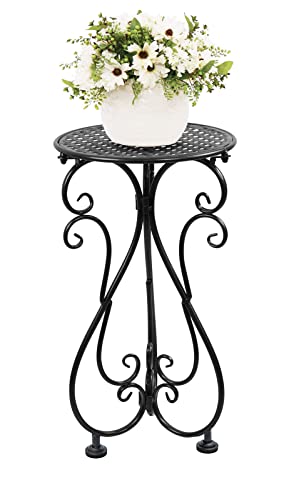
Steel is strong but heavy, and it must be properly coated to resist rust. Cast aluminum offers the ornate look of cast iron at a fraction of the weight and does not rust. Both are common in traditional designs. For a small table that will stay put, either can work well; for one you plan to move often, cast aluminum is the friendlier choice.
Resin and Plastic
Resin tables are light, weatherproof, and easy to clean, which makes them a strong entry-level option. The best resin pieces use UV stabilizers to resist fading and are molded with enough thickness to avoid a flimsy feel. They will not match the visual weight of wood or metal, but for a low-maintenance balcony table they are hard to beat.
Glass Tops
A glass top adds a clean, reflective surface that makes small spaces feel lighter. Tempered glass is the standard for outdoor use. Keep in mind that glass shows water spots and fingerprints more readily than other surfaces, and it needs care in freezing conditions. If you like the look, a round tempered glass top is a common and dependable format for bistro-sized tables.
Comparing Quality Tiers at a Glance
Rather than thinking in terms of specific figures, it helps to understand what changes as you move up the quality ladder. The descriptors below are relative, not absolute, and they hold true regardless of the currency you happen to shop in.
| Tier | Typical Construction | Durability Outlook | Best For |
|---|---|---|---|
| Entry-level | Thinner frames, basic resin or light aluminum, simpler joints | Solid for a few seasons with cover use | Occasional use, renters, seasonal setups |
| Mid-range | Reinforced aluminum, better hardware, UV-stable resin | Several years of regular outdoor exposure | Everyday balcony and porch use |
| Premium | Heavy-gauge aluminum, quality teak, precision joints | Long-term investment with routine care | Permanent patios and high-use areas |
| Luxury | Architectural-grade frames, mature teak, custom finishes | Decades with proper maintenance | Design-led outdoor spaces, commercial-grade settings |
Practical note: The jump from entry-level to mid-range usually delivers the biggest improvement in day-to-day experience — smoother folding mechanisms, less wobble, and finishes that survive a full summer without fading. Moving from mid-range to premium is more about longevity and visual refinement than about basic function.
Features Worth Checking Before You Buy
Small details make a large difference in how a compact table performs over time. Run through this checklist before finalizing a choice:
- Stability on uneven surfaces: Patios and balconies are rarely perfectly level. Adjustable feet or a wide pedestal base prevent rocking.
- Umbrella compatibility: If you want shade directly over the table, look for a built-in umbrella hole and confirm the base is weighted enough to support the pole. A round patio table with an umbrella is a proven format for small spaces.
- Folding locks: On folding tables, a secure locking latch is essential. A table that collapses unexpectedly is a safety hazard.
- Edge finishing: Rounded or rolled edges reduce the chance of scrapes in tight spaces where people brush past frequently.
- Weight: Lighter tables are easier to move and store, but they can be more susceptible to wind. On exposed balconies, a heavier table or one with a weighted base is safer.
- Surface texture: Smooth surfaces are easy to wipe clean; textured surfaces hide scratches better. Choose based on whether you prioritize easy cleaning or long-term appearance.
- Assembly requirements: Most compact tables arrive partly assembled or with simple hardware. Check whether the tools are included and how many steps are involved.
Placement Ideas for Small Outdoor Tables
Where you place the table matters as much as which one you choose. A few arrangements that consistently work well:
The Balcony Coffee Corner
Place a round bistro table near the railing with two lightweight chairs facing outward. Add a small planter on the table or a hanging plant above it. This layout uses very little floor area but creates a genuine destination. For shade, a cantilever umbrella positioned behind the chairs keeps the table surface clear.
The Porch Landing Station
Against the house wall, a narrow console table with a lower shelf works as a landing spot for mail, keys, and a watering can. Pair it with a porch rocker to one side for a complete, functional porch setup.
The Lounge Side Pair
Between two lounge chairs, a small side table creates a shared surface for drinks and sunscreen. If you have a sectional, a side table at each end keeps the arrangement balanced. An outdoor rug underneath ties the grouping together visually and defines the seating zone.
The Fire Pit Companion
A compact table placed a comfortable arm's reach from a fire pit gives you a place to set a drink without balancing it on a chair arm. Choose a material that tolerates heat exposure and keep a safe distance from the flame itself.
Care and Maintenance for Longevity
A small outdoor table is exposed to the same conditions as larger furniture, so the same care principles apply. The basics:
- Clean regularly: Wipe the surface weekly during heavy-use seasons. Mild soap and water handle most messes; avoid abrasive cleaners on coated metal and glass.
- Cover when not in use: A fitted cover protects against pollen, bird droppings, and prolonged moisture. Ensure the cover allows some ventilation to prevent condensation buildup.
- Store in extreme weather: Glass tops and untreated wood benefit from being brought inside during freezing temperatures or severe storms.
- Treat wood annually: Teak can be left to weather, but if you prefer its original honey tone, apply a suitable sealer once a year. Other hardwoods generally need more frequent attention.
- Check hardware seasonally: Tighten bolts and inspect folding mechanisms at the start of each outdoor season. A loose joint is much easier to fix before it becomes a structural problem.
For a deeper seasonal routine that covers all your outdoor pieces, the outdoor weatherproofing guide walks through preparation for each season.
Common Mistakes to Avoid
- Buying before measuring. Tape out the table's footprint on your patio or balcony floor with painter's tape. It takes two minutes and prevents the most common regret.
- Ignoring chair clearance. A table that fits but leaves no room for chairs to pull out is not a functional table. Factor in the full chair footprint, not just the seat.
- Choosing style over stability. A wobbly table will frustrate you every single day. Test stability in person if possible, or read detailed reviews that mention rocking.
- Overlooking wind exposure. On an upper-floor balcony, lightweight tables can shift in strong gusts. A heavier base or a design that can be secured is worth prioritizing.
- Forgetting storage. If you plan to store the table during winter, confirm its folded dimensions fit where you intend to put it.
- Mismatching scale. A very small table beside oversized lounge chairs looks lost. Match the table's visual weight to the surrounding furniture.
Frequently Asked Questions
What size outdoor small table fits on a balcony?
For most balconies, a table with a top diameter between 20 and 28 inches works well. Round bistro tables in that range leave enough walking room while still seating two people comfortably. Measure your balcony depth and allow at least 24 inches of clearance around the table for chairs.
Which material lasts longest for a small outdoor table?
Powder-coated aluminum and high-grade teak both offer excellent longevity. Aluminum resists rust and requires almost no upkeep, while teak develops a natural patina and can be refinished. Both handle sun and rain far better than untreated wood or basic resin.
Can a small outdoor table stay outside all year?
It depends on the material and climate. Aluminum, resin, and teak tables are generally fine outdoors year-round with a cover during harsh months. Glass tops and untreated wood benefit from being stored or covered during freezing weather to prevent cracking or warping.
How many people can a small outdoor table seat?
Most compact tables seat two to four people. Round bistro styles typically seat two, square tables around 30 inches seat two to four, and rectangular tables up to 48 inches long can seat four when placed against a wall or railing.
Do I need an umbrella hole in a small outdoor table?
An umbrella hole is useful if the table sits in direct sun for long periods. However, on a very small table an umbrella can crowd the surface. A cantilever umbrella or a nearby patio umbrella often provides shade without taking up table space.
Related Guides on PatioFocus
If you are still refining your outdoor layout, these related guides pair naturally with this one:
- Small patio design and layout ideas — how to plan a compact outdoor space from the ground up.
- Outdoor table and chairs sets — if you want the table and seating decided together.
- Patio side tables with glass tops — a closer look at the side-table category.
- Outdoor rugs — how to define a small seating zone visually.
- Outdoor weatherproofing — seasonal care for every outdoor piece.
- Patio lighting — making a compact space usable after dark.
Ready to Choose Your Outdoor Small Table?
You now have the sizing rules, material comparisons, and feature checklist you need. The next step is to match those criteria against the products that fit your specific space.
Explore Recommended Tables