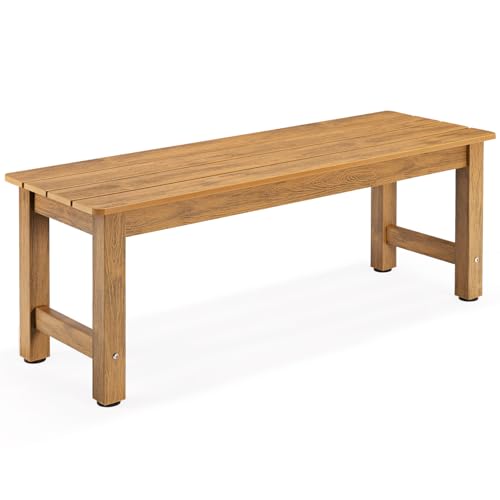
Teak Outdoor Bench: The Complete Buying Guide
Everything you need to know about choosing a teak bench that combines timeless beauty, exceptional durability, and lasting comfort for your garden or patio.
Explore Outdoor Seating IdeasWhy Teak? Teak has been the gold standard for outdoor furniture for centuries. Its natural oils, dense grain, and remarkable resistance to moisture and insects make it one of the few materials that genuinely improves with age. Whether you are furnishing a patio, a deck, or a quiet garden corner, a teak bench is a long-term investment that rewards you season after season.
Why Choose a Teak Outdoor Bench?
A teak outdoor bench is more than just seating — it is a statement of quality and a practical choice for anyone who values low-maintenance outdoor living. Here are the key reasons teak stands out from other woods and materials:
- Natural weather resistance: Teak contains natural oils (tectoquinone) that repel water, preventing rot, warping, and cracking. Unlike many woods, it does not require chemical treatment to survive the elements.
- Insect and pest resistance: The same oils that protect against moisture also deter termites and other wood-boring insects, making teak a reliable choice for long-term outdoor use.
- Exceptional longevity: A well-made teak bench can last 50 years or more — many become family heirlooms passed down through generations. This makes it a truly efficient long-term investment.
- Beautiful aging process: Left untreated, teak develops a elegant silver-gray patina. Oiled regularly, it maintains a warm golden honey tone. Either way, it looks refined and natural in any outdoor setting.
- Comfort and stability: Teak is dense and heavy, meaning benches stay firmly in place and resist tipping, even in windy conditions. The smooth, splinter-free surface is comfortable for bare skin.
- Low maintenance: Cleaning with mild soap and water is usually sufficient. No painting, staining, or sealing is mandatory — though optional treatments can extend the golden appearance.
How Teak Compares to Other Bench Materials
Understanding how teak stacks up against common alternatives helps you make an informed decision. The table below compares key characteristics:
| Material | Weather Resistance | Maintenance Level | Lifespan | Best For |
|---|---|---|---|---|
| Teak | Excellent — natural oils repel water and insects | Low — occasional cleaning; optional oiling | 50+ years | Long-term investment, premium outdoor spaces |
| Acacia | Good — requires sealing | Medium — annual sealing recommended | 10–15 years | Mid-range alternative with similar look |
| Cedar | Good — naturally resistant but softer | Medium — may need periodic treatment | 15–20 years | Aromatic, lighter-weight benches |
| Pine (treated) | Moderate — requires chemical treatment | High — yearly sealing or painting | 5–10 years | Entry-level, short-term use |
| Metal (aluminum/steel) | Good to excellent (depending on finish) | Low — occasional cleaning | 15–25 years | Modern styles, lightweight needs |
| Wicker/Rattan (synthetic) | Good — UV-resistant variants available | Low — wipe clean | 10–15 years | Lightweight, decorative seating |
As the table shows, teak occupies a premium position in terms of lifespan and natural durability. While entry-level materials may suit short-term needs, teak is the clear choice for those seeking a permanent, low-maintenance outdoor seating solution.
Types of Teak Outdoor Benches
Teak benches come in several configurations, each suited to different spaces and use cases. Understanding these categories helps you narrow down your options:
1. Backless Teak Benches
Clean-lined and versatile, backless benches work well as standalone seating or paired with a table and chairs set. They are ideal for small patios and can be tucked under a dining table when not in use. Backless designs also encourage flexible seating arrangements — perfect for entertaining.
2. Teak Benches with Backrests
For extended lounging, a bench with a supportive backrest offers superior comfort. These are well-suited to garden bench placements, reading nooks, and conversation areas. Many models feature contoured seats and armrests for added ergonomic support.
3. Curved and Sleigh-Style Benches
These sculptural designs add visual interest to landscaped gardens. Curved benches often feature slatted backs and seats that follow the body's natural contours. Sleigh-style benches have distinctive curved legs and a more traditional, formal aesthetic.
4. Folding and Portable Teak Benches
Folding teak benches are a practical choice for those who need flexible seating — they can be stored away during off-seasons or moved easily between locations. While slightly less sturdy than fixed benches, high-quality folding models still offer excellent durability.
5. Teak Bench with Storage
Some teak benches incorporate a lift-up seat with storage underneath — a clever way to keep cushions, tools, or outdoor accessories organized. This style is particularly useful on decks and porches where space is limited.
What to Look For in a Teak Outdoor Bench
Not all teak benches are created equal. The quality of materials, construction, and finish varies significantly across the market. Here are the critical factors to evaluate before making a purchase:
Wood Grade and Source
Teak is graded based on the part of the tree it comes from and the presence of knots, sapwood, and color variation:
- Grade A (Premium): Harvested from the heartwood of mature trees, Grade A teak has a uniform golden-brown color, tight grain, and high oil content. It is the most durable and weather-resistant grade — ideal for long-term outdoor use.
- Grade B (Mid-Range): May contain some sapwood (lighter-colored wood) and minor knots. Still durable, but may require more frequent oiling to maintain appearance.
- Grade C (Entry-Level): Contains significant sapwood and knots. Less resistant to moisture and insects — typically used in lower-tier products.
For a bench that will be exposed to the elements year-round, Grade A teak is the recommended choice. It offers the best natural protection and the most refined appearance.
Construction and Joinery
Examine how the bench is assembled. High-quality teak benches use mortise-and-tenon joinery, dowels, or stainless steel hardware. Avoid benches held together primarily with glue or staples, as these will fail over time. Key construction details to check:
- Joinery type: Mortise-and-tenon and dovetail joints are signs of craftsmanship and durability.
- Hardware: Stainless steel or brass screws and bolts resist rust. Avoid plain steel hardware, which can corrode and stain the wood.
- Sand finish: A well-sanded bench has smooth edges and no splinters. Run your hand along the underside and edges — quality benches are finished on all surfaces.
- Weight and stability: A solid teak bench should feel heavy and stable. Lightweight benches may use thinner wood or lower-grade materials.
Design and Ergonomics
Comfort matters as much as durability. Consider the seat height (typically 17–18 inches for standard benches), seat depth, and backrest angle. If the bench will be used for long periods, look for contoured seats and armrests. For dining use, ensure the seat height matches your outdoor table and chairs set.
Finish Options
Teak benches are available in three finish categories:
- Natural (untreated): Ages to a silver-gray patina. Requires only occasional cleaning. Best for those who appreciate the natural weathered look.
- Oiled: Maintains the golden honey color. Requires re-oiling once or twice a year. Ideal for a more polished, uniform appearance.
- Sealed/Lacquered: Provides a protective coating that slows weathering. May need periodic reapplication. Often used on premium and luxury-tier benches.
Placement and Styling Ideas
A teak bench is versatile enough to work in multiple outdoor settings. Here are some placement ideas to inspire your design:
Garden Focal Point
Place a curved or sleigh-style teak bench at the end of a garden path, beneath a pergola, or beside a flower bed. The natural wood tone complements greenery beautifully and creates a serene resting spot. Pair it with a outdoor rug to define the space and add warmth.
Patio Dining Companion
A backless teak bench can serve as flexible seating alongside a patio dining set. It tucks neatly under the table when not in use and provides additional seating for gatherings. For a coordinated look, choose a bench that matches the wood tone of your dining table.
Porch and Entryway
A compact teak bench works well on a porch or entryway. It provides a convenient spot to sit while removing shoes, and its weather resistance means it can stay outdoors without worry. Pair it with a small outdoor small table for a welcoming vignette.
Poolside and Deck Seating
Teak's resistance to moisture makes it a natural fit for poolside areas. Place a backless bench near pool loungers for additional seating, or use a bench with a backrest as a shaded reading spot. On a patio deck, a teak bench can anchor a conversation area alongside swivel chairs.
Styling Tip: Add outdoor seat cushions to your teak bench for extra comfort. Choose weather-resistant fabrics in neutral tones to complement the wood, or add a pop of color for a more vibrant look. A small outdoor console table beside the bench can hold drinks and decor.
Teak Bench Care and Maintenance
One of the greatest advantages of teak is its low maintenance requirements. However, a few simple care practices will keep your bench looking its best for decades:
Routine Cleaning
- Regular dusting: Use a soft brush or cloth to remove dust and debris. This prevents dirt from settling into the grain.
- Seasonal washing: Wash with a solution of mild dish soap and warm water. Use a soft-bristle brush to gently scrub the surface. Rinse thoroughly with a garden hose and allow to air dry.
- Avoid harsh chemicals: Do not use bleach, ammonia, or abrasive cleaners, as these can strip the natural oils and damage the wood fibers.
- No pressure washing: High-pressure water can erode the soft grain and raise the wood fibers, leading to a rough surface.
Oiling (Optional)
If you want to maintain the golden honey color, apply a quality teak oil once or twice a year. Clean the bench first, allow it to dry completely, then apply a thin, even coat of oil with a soft cloth. Wipe off any excess after 15–30 minutes. Oiling is entirely optional — it affects appearance, not structural integrity.
Protecting During Harsh Weather
Teak is naturally weather-resistant, but in extreme conditions (heavy snow, ice, or prolonged rain), covering the bench with a breathable outdoor furniture cover will help preserve its appearance. Ensure the cover is breathable to prevent moisture buildup, which can cause mold and mildew. For weatherproofing tips that apply to all outdoor furniture, see our dedicated guide.
Dealing with Stains and Scratches
- Light scratches: Sand lightly with fine-grit sandpaper (220 grit) in the direction of the grain, then apply teak oil if desired.
- Water marks: Allow the wood to dry completely, then lightly sand the affected area. Water marks often fade on their own as the wood ages.
- Mold and mildew: Clean with a solution of equal parts white vinegar and water. Rinse and dry thoroughly. Avoid chlorine-based cleaners.
Understanding Teak Bench Quality Tiers
Teak benches are available across a wide spectrum of quality and craftsmanship. To help you navigate the market without referencing specific figures, we use universal quality descriptors that reflect relative market positioning:
| Tier | Wood Grade | Construction | Best For |
|---|---|---|---|
| Entry-Level Tier | Grade B or C teak, may include sapwood | Basic joinery, some hardware visible | Occasional use, sheltered locations, starter outdoor setups |
| Mid-Range Tier | Grade A/B blend, mostly heartwood | Solid joinery, stainless hardware | Regular use, covered patios, balanced quality and longevity |
| Premium Tier | Grade A heartwood, uniform grain | Mortise-and-tenon joinery, fine sanding | Full outdoor exposure, long-term daily use, design-focused spaces |
| Luxury / Flagship Tier | Premium Grade A, sustainably sourced, kiln-dried | Traditional joinery, hand-finished, exceptional detail | Statement pieces, heritage-quality furniture, multi-generational use |
When evaluating a bench, consider how it will be used and where it will be placed. A premium or luxury-tier bench is a worthwhile investment for exposed outdoor locations and daily use, while a mid-range model may suit covered patios and seasonal use. Entry-level benches can work well for temporary or decorative purposes, but may require more frequent maintenance.
Ready to Find Your Perfect Teak Bench?
Explore our curated selection of teak outdoor benches and discover the right fit for your outdoor space.
View Recommended BenchesFrequently Asked Questions
A well-maintained teak outdoor bench can last 50 years or more. Teak's natural oils and dense grain make it highly resistant to rot, insects, and weather. With proper care, it can become a multi-generational piece of furniture.
Teak does not require oiling to survive. If you prefer the golden honey color, apply teak oil annually. If you like the natural silver-gray patina, simply clean it periodically with mild soap and water. Oiling is a cosmetic choice, not a structural necessity.
Yes, teak is extremely weather-resistant and can remain outdoors year-round. However, in extreme climates with heavy snow or ice, covering it or storing it in a sheltered area will prolong its appearance. Breathable covers are recommended over non-breathable plastic.
Grade A teak comes from the heartwood of mature trees, offering dense grain and natural oils for maximum durability. Grade B and C teak may include sapwood and knots, which are less resistant to moisture and require more maintenance. For exposed outdoor use, Grade A is recommended.
Use a soft brush and a solution of mild dish soap and warm water. Rinse thoroughly and allow to air dry. Avoid pressure washing, which can damage the wood fibers, and avoid harsh chemical cleaners. For deeper cleaning, a dedicated teak cleaner can be used once per season.
Absolutely. Outdoor seat cushions add comfort and color to a teak bench. Choose cushions made from weather-resistant fabrics and quick-drying foam. Bring them inside during heavy rain or store them in a deck box to extend their lifespan.
Related Outdoor Furniture Guides
Expand your outdoor living knowledge with these helpful resources:
- Garden Bench Guide — Explore other bench styles for your garden.
- Metal Bench Guide — Compare metal benches with teak options.
- Rattan Bench Guide — Lightweight and decorative alternatives.
- Outdoor Weatherproofing Guide — Protect all your outdoor furniture.
- Patio Furniture Sets — Complete your outdoor seating arrangement.
- Outdoor Seat Cushions — Add comfort to your teak bench.