The Complete Patio Buying Guide
Everything you need to research, plan, and furnish a patio that fits your home, your lifestyle, and your climate — from seating and shade to materials and long-term care.
START EXPLORINGWhy this guide exists: A patio is one of the few home upgrades that expands your living space without adding square footage. But choosing the wrong furniture, materials, or layout can lead to discomfort, premature wear, and wasted effort. This guide walks you through every decision point so you can buy with confidence — not guesswork.
1. Start With Your Space: Size, Shape & Purpose
Before browsing a single product, measure your patio and define how you actually want to use it. A patio that hosts weekly family dinners has very different requirements from a quiet morning-coffee retreat. The three variables that matter most are dimensions, traffic flow, and primary function.
Measure twice, furnish once
Record the length and width of your patio, then subtract at least 24 to 36 inches of clearance around doorways and walkways. Furniture that blocks a sliding door or forces guests to sidestep is furniture you will stop using. If your space is tight, a small patio layout approach works better than forcing full-size pieces into a compact footprint.
For compact areas, consider a compact outdoor table paired with stackable or folding chairs. For medium spaces, a four-person patio table and chairs is a versatile anchor. Larger patios can support a table with eight chairs or a generous patio dining set that becomes the social center of the backyard.
Match the set to the occasion
- Everyday dining: A patio dining set with a stable table and weather-resistant chairs handles daily meals and weekend gatherings.
- Shade-dependent spaces: Pair your table with a dining set that includes an umbrella, or add a freestanding patio umbrella for flexible shade.
- Evening ambiance: A table and chairs set with a fire pit extends usable hours well into the cooler months.
- Lounge-first patios: A conversation set or outdoor sectional sofa prioritizes relaxation over formal dining.
2. The Core Furniture Essentials
A functional patio typically covers four roles: seating, dining or surface space, shade, and ambiance. You do not need every category at once, but understanding each helps you prioritize.
Seating that earns its place
Seating is the backbone of any patio. Choose based on how many people gather regularly, not on the maximum crowd you host once a year. For flexible arrangements, swivel chairs with cushions let guests turn toward the conversation or the view. For porches and covered areas, porch chairs and a porch rocker add a relaxed, traditional feel. If you prefer a coordinated package, a set of six patio chairs simplifies the decision.
Tables and surfaces
A dining table anchors the space, but side surfaces keep it practical. A side table with a glass top holds drinks and books without dominating the layout. For moveable convenience, an outdoor table with wheels adapts to different setups. Round tables improve conversation flow and work well in square or irregular patios; explore round patio tables with umbrellas if shade is a priority.
Shade and structure
Shade is not a luxury — it determines how often you use the patio during peak sun. Umbrellas are the most flexible option, while a pergola adds architectural permanence and defines the space. For dining tables, look for models with a built-in umbrella hole, such as a rectangular dining table with an umbrella hole. Always pair umbrellas with a stable base — our umbrella base guide covers weight and wind considerations.
Lighting and ambiance
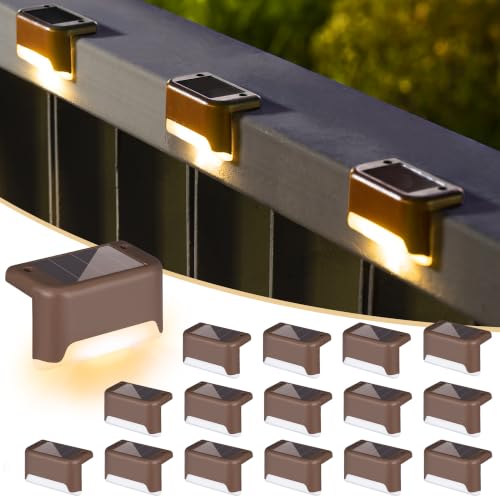
Lighting transforms a patio after sunset. Layered patio lighting — overhead string lights, low-level path lights, and tabletop lanterns — creates depth and warmth. Combine lighting with a weather-resistant outdoor rug to visually define the seating zone and soften hard surfaces.
3. Materials: What Lasts and What Doesn't
Material choice affects durability, maintenance, comfort, and how the patio looks after several seasons. There is no universal "best" material — only the best fit for your climate and habits.
| Material | Best For | Maintenance Level | Notes |
|---|---|---|---|
| Powder-coated aluminum | Humid or coastal climates | Low | Rust-resistant frame; see powder-coated aluminum furniture |
| Cast aluminum | Traditional styling with durability | Low to moderate | Heavier feel; explore powder-coated cast aluminum |
| Wicker and rattan | Warm, textured aesthetic | Moderate | All-weather resin wicker resists moisture; see all-weather patio furniture |
| Teak and hardwood | Natural look, long lifespan | Moderate (seasonal oiling) | A teak outdoor bench ages gracefully with care |
| Metal (steel/iron) | Sturdy, classic designs | Moderate to high | Requires rust protection in wet climates |
| Resin and plastic | Low-maintenance, family-friendly | Very low | Lightweight; ideal for casual setups |
Whatever material you choose, protection extends lifespan. Cushions should be stored or covered during off-season, and frames benefit from periodic cleaning. Our outdoor weatherproofing guide explains how to prepare furniture for rain, sun, and winter storage.
4. Cushions, Fabrics & Comfort
Cushions are where comfort lives — and where cheap materials show their limits fastest. Look for quick-dry foam and solution-dyed acrylic or polyester fabrics that resist fading and mildew. A set of four patio chair cushions is a practical starting point for refreshing existing seating, while 24x24 outdoor seat cushions fit many standard deep-seat chairs.
If your sectional or sofa needs a full refresh, sectionals with waterproof cushions reduce the risk of waterlogging after rain. For dining chairs, dining chairs with cushions balance support and easy cleaning. Always check that cushion covers are removable and washable — it is the single most useful feature for long-term ownership.
Comfort tip: Cushion thickness matters more than firmness for outdoor seating. A 4- to 6-inch thick seat cushion distributes weight better and resists flattening over time. Back cushions should be firm enough to support posture but soft enough to sink into after a long day.
5. Layout & Traffic Flow
Good layout is invisible — guests move naturally, conversations flow, and nothing feels cramped. Start with the largest piece (usually the dining table or sectional), place it with clearance from walls and doors, then layer in secondary seating and surfaces.
- Anchor first: Place the dining table or outdoor sectional sofa in the most protected or scenic corner.
- Leave walkways: Keep at least 3 feet of clear path between furniture groups.
- Create zones: Use an outdoor rug to visually separate dining from lounging.
- Add flexible pieces: Lightweight chairs and small tables can move as needed.
- Consider multi-function: A serving station and storage cabinet doubles as a buffet and keeps clutter hidden.
For patios that need to serve both dining and lounging, a sectional with a dining table or a patio sectional with dining table combines both functions without doubling the footprint. If you host frequently, a bar-height dining table with a fire pit creates a natural gathering point.
6. Buying Considerations Before You Commit
Once you know your space, essentials, and preferred materials, the final step is evaluating quality signals. The market segments into clear tiers, and understanding them helps you match expectations to use.
| Tier | Typical Characteristics | Best For |
|---|---|---|
| Entry-level | Lighter frames, basic fabrics, simpler assembly | First patios, seasonal use, renters |
| Mid-range | Reinforced frames, better cushions, smoother mechanisms | Everyday family use, mixed climates |
| Premium | High-grade materials, refined finishes, stronger warranties | Frequent entertaining, long-term ownership |
| Luxury / commercial-grade | Heavy-duty construction, designer collaboration, exceptional durability | High-use patios, hospitality settings |
Beyond tier, check these quality signals: welded (not screwed) frame joints, UV-stabilized fabrics, stainless or coated hardware, and reversible cushions. For metal furniture, a black metal patio table with an umbrella hole is a good example of a design that combines classic looks with practical shade integration.
Warranty matters: A strong frame warranty (5+ years) usually signals confidence in construction. Fabric fading warranties of 2 to 3 years are common at mid-range and above. Read the fine print on what is excluded — especially rust and cushion fading.
7. Care & Maintenance Basics
A patio stays beautiful when maintenance is simple and consistent. The good news: most outdoor furniture needs only seasonal attention, not weekly fuss.
- Clean frames regularly: Rinse aluminum and wicker with mild soap and water; avoid abrasive pads.
- Store cushions: Bring cushions indoors or into a storage box during rain and off-season.
- Protect wood: Re-oil teak and hardwood annually to prevent cracking and graying.
- Check hardware: Tighten bolts before each season; replace rusted screws promptly.
- Cover or store: Use breathable covers for extended downtime, never sealed plastic.
If your patio is exposed to harsh sun or coastal salt air, our weatherproofing guide offers deeper protection strategies. For porches and screened areas, screened porch furniture choices should prioritize airflow and mildew resistance.
8. Common Patio Buying Mistakes to Avoid
- Buying before measuring: Oversized sets crowd walkways and block doors.
- Ignoring the sun path: A patio without shade is unusable at midday.
- Choosing style over climate: Steel in a coastal climate rusts fast; resin fades in extreme UV.
- Skipping cushion storage: Cushions left out in rain develop mildew quickly.
- Overmatching: A fully matched set can feel rigid; mix textures and materials for depth.
- Forgetting ambiance: Lighting and rugs are not extras — they make the space feel finished.
Avoiding these mistakes is easier when you plan backwards from how you want to feel on the patio: relaxed, shaded, comfortable, and ready to host. Every purchase should serve that vision.
Ready to Furnish Your Patio?
Explore our recommended patio products below — curated to cover the essentials discussed in this guide, from seating and tables to shade and comfort.
VIEW RECOMMENDED PRODUCTSExplore Related Patio Guides
Deepen your research with these focused guides on specific patio categories and setups:
Frequently Asked Questions
How do I choose the right patio furniture for a small space?
Prioritize multi-functional pieces: a compact table, stackable chairs, and a vertical storage cabinet. Measure walkways first, and choose round tables to improve flow in tight corners. A small patio layout guide can help you visualize the arrangement before buying.
What is the most durable material for patio furniture?
Powder-coated aluminum and cast aluminum offer the best balance of durability and low maintenance in most climates. Teak is exceptionally long-lasting if maintained. For coastal areas, aluminum with stainless hardware is generally the safest choice against salt corrosion.
Do I need an umbrella or a pergola for shade?
Umbrellas are flexible and easy to reposition, making them ideal for dining tables. A pergola provides permanent shade and architectural structure but requires installation. Many homeowners use both: a pergola for overall coverage and a patio umbrella for adjustable spot shade.
How often should I replace patio cushions?
Quality cushions last three to five years with proper care. Replace them when foam loses resilience or fabric shows cracking, fading, or persistent mildew. Buying replacement chair cushion sets is often more practical than replacing the entire furniture piece.
Can patio furniture stay outside year-round?
Powder-coated aluminum, all-weather wicker, and teak can remain outside in most climates, but cushions should be stored or covered. In freezing or storm-prone regions, store or cover frames too. Our weatherproofing guide covers seasonal protection in detail.