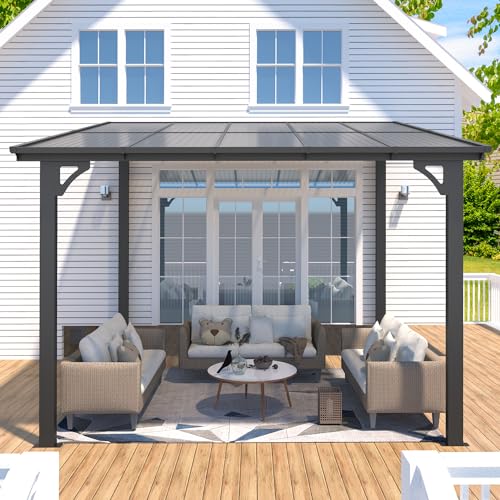
Pergola Buying Guide: Choosing the Perfect Outdoor Shade Structure
Everything you need to know about selecting, planning, and installing a pergola. Compare materials, design styles, and features to create a backyard retreat that suits your climate and lifestyle.
EXPLORE PERGOLA TYPESWhat Is a Pergola and Why Add One?
A pergola is an outdoor architectural feature consisting of vertical posts or pillars supporting an open lattice or slatted roof. Unlike a gazebo or pavilion, a pergola typically has an open roof structure that provides partial shade while allowing air circulation and light to filter through. This makes it an ideal transitional space between your home and garden.
Adding a pergola to your backyard creates a defined outdoor room without the expense and complexity of a fully enclosed structure. It can shelter a patio dining set, frame a patio conversation set, or serve as a focal point over a small patio. The open design prevents the space from feeling enclosed, which is especially valuable for properties with limited square footage.
Pergolas also add architectural interest to a home's exterior. Whether attached to the house or freestanding over a patio deck, they visually extend the living area and can increase the perceived size of your outdoor footprint. Homeowners often use pergolas to transition between zones — for example, separating a grilling area from a lounging space furnished with outdoor swivel chairs with cushions.
Types of Pergolas
Pergolas come in several configurations, each suited to different spaces and installation preferences. Understanding these distinctions helps you narrow down the right structure for your property.
Freestanding Pergola
Self-supporting structure that can be placed anywhere on your property. Ideal for defining a zone over a table and chairs set or creating a destination at the end of a garden path. No house attachment required.
Attached Pergola
Anchored to the house wall with the opposite end supported by posts. Extends your living space seamlessly and is often used over a dining set with umbrella alternative. Requires proper flashing and structural attachment.
Louvers & Adjustable Roof
Features adjustable slats that tilt to control sunlight and airflow. Premium models include motorized louvers and rain sensors. A top-tier choice for homeowners who want precise control over shade throughout the day.
Corner & Compact Pergola
Designed for tight spaces such as balconies or small courtyards. Often paired with a small outdoor table or bistro setup. Compact footprints maximize usable shade in limited areas.
Freestanding vs. Attached: Which Is Right for You?
Freestanding pergolas offer placement flexibility and avoid modifying your home's exterior. They are the better choice if you rent, plan to relocate the structure, or want to shade an area away from the house. Attached pergolas integrate more naturally with the home's architecture and can provide a more cohesive look, but they require careful planning around drainage, roofline, and structural attachment points.
For properties with a patio close to the house, an attached pergola often makes the most sense. If your outdoor area is separate — such as a poolside zone with pool loungers — a freestanding design gives you freedom to position shade exactly where it is needed.
Pergola Materials Compared
The material you choose affects durability, maintenance requirements, appearance, and long-term performance. Each option has distinct advantages depending on your climate and how much upkeep you are willing to invest.
| Material | Tier Classification | Best For | Maintenance Level |
|---|---|---|---|
| Western Red Cedar & Teak | Premium / High-End Tier | Natural aesthetics, custom builds, climates with moderate humidity | Moderate — annual sealing or staining recommended |
| Pressure-Treated Pine | Entry-Level / Starter Tier | DIY projects and temporary installations | High — requires regular treatment against rot and insects |
| Powder-Coated Aluminum | Mid-Range to Premium | Coastal areas, low-maintenance households, modern designs | Low — occasional cleaning with mild soap |
| Vinyl | Mid-Tier | Humid climates, homeowners wanting zero painting | Very low — rinse periodically |
| Steel | Professional-Grade | Large spans, commercial settings, high-wind areas | Low to moderate — inspect for rust on welded joints |
Wood Pergolas: Beauty with Commitment
Wood remains the most popular pergola material for its warmth and ability to blend with garden surroundings. Cedar and teak naturally resist rot and insects, making them the higher-end choices within the wood category. Pressure-treated pine is the entry-level option — it is widely available and suitable for DIY builds, but it demands more frequent treatment to prevent decay.
Wood pergolas pair naturally with teak outdoor benches and other natural-finish furniture. They also accept stains and paints easily, so you can match the structure to your home's trim or complement a garden bench nearby.
Aluminum Pergolas: Low-Maintenance Durability
Powder-coated aluminum offers excellent corrosion resistance, especially in coastal environments where salt air accelerates rust. These structures are lighter than steel and easier to install, yet strong enough to support climbing plants and integrated lighting. A powder-coated aluminum outdoor furniture set pairs well with an aluminum pergola for a cohesive, modern look.
Aluminum pergolas are available in a range of finishes, including wood-grain textures that mimic the appearance of timber without the maintenance. This makes them a strong choice for homeowners who want the look of wood but prefer minimal upkeep.
Vinyl Pergolas: The Zero-Paint Option
Vinyl pergolas resist moisture, insects, and fading. They never need painting or staining, which appeals to homeowners in humid climates or those who prefer a hands-off approach. The trade-off is a more limited aesthetic range — vinyl typically comes in white or neutral tones and cannot be easily customized with stains.
Sizing and Placement
Getting the dimensions right is critical — an undersized pergola feels cramped, while an oversized one can overwhelm a small yard. Start by mapping the furniture you plan to place underneath.
Planning Around Your Furniture
A dining arrangement for six typically requires a footprint of at least 10 by 12 feet to allow comfortable chair pull-out space. If you plan to cover a patio table and 8 chairs, go larger — 12 by 14 feet or more. For lounging areas, measure the footprint of your outdoor sectional sofa and add two to three feet of clearance on all sides.
If your pergola will sit over a round patio table with umbrella, confirm that the pergola height clears the umbrella's open canopy. Standard pergola post heights range from 7 to 9 feet; taller structures are available for oversized umbrellas or two-tier designs.
Placement Tips
- Sun path: Observe how sunlight moves across your yard. Position the pergola to shade the seating area during the hottest part of the day.
- Traffic flow: Leave at least 3 feet of walking space between pergola posts and adjacent structures, fences, or outdoor console tables.
- Views: Orient the open sides toward your best garden views rather than toward a neighbor's window or a plain fence.
- Drainage: Ensure the ground beneath the pergola slopes away from the house or drains properly. Standing water damages furniture legs and promotes mold on outdoor rugs.
- Utilities: Before digging post footings, call your local utility locating service to mark buried lines.
For smaller spaces, consider a corner pergola that fits against two fences, or a compact freestanding unit over a wicker bistro set. Even a modest structure can transform an unused corner into a favorite spot.
Key Features to Evaluate
Beyond material and size, several design features influence how well a pergola performs and how much you enjoy it.
Roof Style and Shade Control
The classic slatted roof offers partial shade that shifts throughout the day as the sun moves. If you need more consistent protection, look for models with adjustable louvers or integrated shade sails. Some pergolas include retractable canopies made from weather-resistant fabric — these let you toggle between full sun and shade without permanent changes.
Shade density depends on slat spacing. Closely spaced slats block more sun but reduce airflow; widely spaced slats let more light through. For climates with intense summer sun, tighter spacing or a secondary shade layer is advisable.
Structural Reinforcement
Check the thickness of posts and beams, as well as the joinery method. Bolted or through-bolted connections are stronger than screws alone. Diagonal bracing at the corners adds rigidity and reduces sway. For attached pergolas, the ledger board connection to the house must be properly flashed and fastened according to local code.
Integrated Accessories
- Lighting: Pre-wired posts or built-in LED strips simplify evening illumination. Alternatively, hang string lights along the beams — a classic look that pairs well with patio lighting around the rest of the yard.
- Curtains and screens: Track systems allow you to hang outdoor curtains for privacy and insect control, effectively turning the pergola into a semi-enclosed room.
- Fan and heater mounts: Reinforced beams can support ceiling fans or infrared heaters, extending the pergola's usability into shoulder seasons.
- Planters and hooks: Integrated hooks for hanging baskets or climbing plant supports add greenery without drilling into the structure later.
Footings and Anchoring
Every freestanding pergola needs proper footings. In-ground concrete footings are the most secure option, especially in windy areas. Surface-mounted brackets anchored to a concrete patio or deck are acceptable for lighter structures but may not meet code in all jurisdictions. If your pergola sits on a patio deck, consult a contractor about attachment methods that won't compromise the deck's waterproofing.
Installation and Permits
Installation complexity varies widely by type. Kit pergolas from reputable manufacturers include precut components and hardware, making DIY assembly feasible for homeowners with basic carpentry skills. Custom-built pergolas typically require professional installation.
Permit Requirements
Most municipalities require a building permit for attached pergolas and for freestanding structures above a certain height or footprint. Permit requirements typically address:
- Structural loads (wind, snow, and seismic, depending on region)
- Setback distances from property lines
- Height restrictions relative to the main dwelling
- Footing depth and concrete specifications
Always verify local rules before purchasing. An attached pergola without proper permits can create complications when selling your home or filing insurance claims.
DIY vs. Professional Installation
DIY installation is realistic for surface-mounted aluminum or vinyl kits on level ground. Projects involving digging footings, attaching to the house, or working at height are better handled by professionals — especially if your local code requires engineered drawings or inspections. Professional installation also typically includes a workmanship warranty alongside the manufacturer's product warranty.
Maintenance Essentials
Regular care extends the life of any pergola and preserves its appearance. The specific routine depends on material, but a few practices apply universally.
Seasonal Inspection
Inspect the structure at the start of each season. Check for loose fasteners, cracked joints, rust spots, or wood rot. Tighten bolts and replace damaged hardware promptly — small issues compound quickly under weather exposure.
Material-Specific Care
- Wood: Clean with a mild detergent and soft brush annually. Reapply a UV-protective sealant or stain every one to two years, depending on climate. Address any sign of rot immediately by removing and replacing affected sections.
- Aluminum: Wash with soapy water and rinse. Touch up scratches in the powder coating to prevent corrosion. Avoid abrasive cleaners that dull the finish.
- Vinyl: Rinse with a garden hose and wipe with a damp cloth. For stubborn marks, use a mild household cleaner. Avoid bleach-based products that can yellow the surface over time.
- Steel: Inspect welds and painted surfaces for rust. Sand and repaint any compromised areas promptly. Apply a rust-inhibiting primer before the finish coat.
Protecting Adjacent Furniture
Pergolas reduce direct sun exposure, which helps preserve the color and condition of furniture underneath. Even so, outdoor weatherproofing practices remain important for cushions and wood pieces. Rotate cushions periodically and store them during extended wet periods. Pairing your pergola with an outdoor rug can also protect flooring from debris and moisture tracking.
Styling Your Pergola
A pergola is a canvas — how you furnish and decorate the space beneath determines whether it feels like an extension of your living room or a garden destination.
Furniture Pairing
The furniture you choose should match the pergola's scale. Under a large structure, a sectional with dining table creates a multi-zone entertaining area. Under a compact pergola, a wicker bistro set or a pair of swivel chairs with a side table with glass top keeps the space open and functional.
For dining-focused spaces, a rectangular table with an umbrella hole works well if the pergola roof does not fully block sun — though many pergola owners skip the umbrella since the structure itself provides shade. If you want to coordinate an umbrella elsewhere on the patio, browse patio umbrella bases for stability options.
Greenery and Softscaping
Climbing plants like wisteria, jasmine, and grapevines soften the structure and add fragrance. Ensure the pergola is rated to support the weight of mature vines, and choose species appropriate for your climate. Potted plants at the posts — placed in outdoor planters — anchor the structure visually and add color at eye level.
Lighting and Ambiance
Layered lighting transforms the pergola after dark. Combine overhead string lights with low-level path lighting and table lanterns. Solar-powered options reduce wiring complexity. For year-round use, consider adding a fire feature nearby — a round fire pit table creates a natural gathering point at the pergola's edge.
Flooring and Comfort
Define the pergola's footprint with an outdoor rug sized to leave a border of hardscape around the edges. Add outdoor seat cushions to benches or built-in seating, and keep a serving station and storage cabinet nearby for entertaining essentials.
Frequently Asked Questions
What is the difference between a pergola and a gazebo?
A pergola has an open slatted roof that provides partial shade and allows airflow. A gazebo has a solid roof that offers complete weather protection and is often fully enclosed with screens or walls. Pergolas are typically attached to a house or freestanding with open sides.
Do I need a permit to build a pergola?
Permit requirements vary by location and depend on pergola size, height, and whether it is attached or freestanding. Always check with your local building authority before installation to ensure compliance with zoning and structural codes.
How much shade does a pergola provide?
Shade depends on slat spacing, pergola orientation, and sun angle. A standard slatted roof blocks roughly half the sunlight at midday, with shade patterns shifting throughout the day. For more consistent shade, consider adjustable louvers, a retractable canopy, or closely spaced slats.
Can I attach a pergola to my house?
Yes, attached pergolas are common and create a seamless transition from indoor to outdoor living. However, the attachment must be properly engineered, flashed, and secured according to local building codes. Professional installation is strongly recommended for attached structures.
How long does a pergola last?
Lifespan varies by material: aluminum and steel pergolas can last decades with minimal care; cedar and teak last 15 to 20 years or more with regular sealing; pressure-treated pine typically lasts 10 to 15 years depending on climate and maintenance; vinyl pergolas often last 20 years or longer with occasional cleaning.
Can I grow climbing plants on a pergola?
Yes, many pergolas are designed to support climbing plants. Check the structure's weight rating and select plants appropriate for your climate. Vigorous climbers like wisteria require a sturdy structure and regular pruning to prevent damage.
Final Thoughts
A pergola is one of the most versatile improvements you can make to an outdoor space. It defines a room without walls, provides adjustable shade, and adds architectural character that increases your home's curb appeal. By choosing the right material for your climate, sizing the structure around your furniture and lifestyle, and planning installation carefully, you create an outdoor retreat that serves your family for years.
Start by measuring your space and identifying the primary activity the pergola will support — dining, lounging, or entertaining. Match the material to your maintenance preferences and local weather patterns. Then, if needed, consult a contractor about permits and structural requirements. With those decisions made, you are ready to select a pergola that transforms your backyard into a destination.