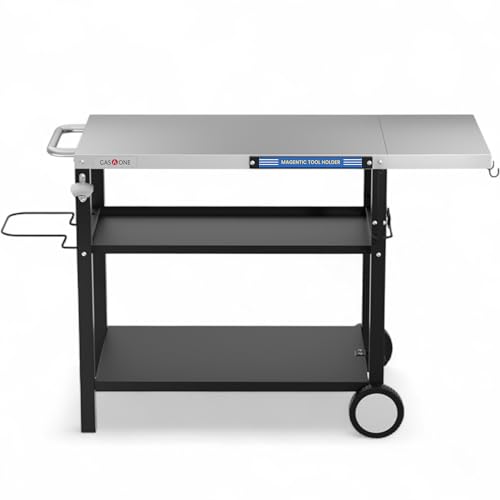
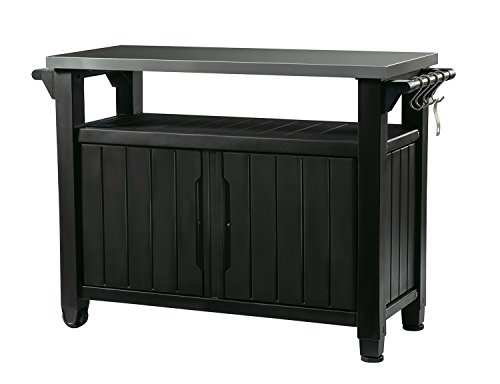
Outdoor Table with Wheels: The Complete Buying Guide
Discover how a mobile patio table transforms your outdoor space. Compare wheel types, frame materials, and design features to find the perfect rolling table for your backyard, deck, or garden.
Why consider an outdoor table with wheels? Mobility is the unsung hero of great patio design. A wheeled outdoor table lets you chase the shade, reconfigure your layout for gatherings, and store furniture easily during harsh weather. This guide breaks down everything you need to know — from caster mechanisms to frame durability — so you can buy with total confidence.
What You'll Learn
Key Benefits of a Rolling Outdoor Table
An outdoor table with wheels is far more than a novelty. It solves real problems that stationary patio furniture creates, especially in smaller or multi-purpose outdoor spaces. Here is why homeowners increasingly choose mobile tables:
- Effortless repositioning: Move the table from sun to shade without lifting a finger. This is particularly valuable during long summer afternoons when the sun shifts across your yard.
- Flexible entertaining: Roll the table to the grill area for food prep, then move it back to the seating zone for dining. One table, multiple roles.
- Easy cleaning: Sweep or hose down the patio underneath the table without wrestling with heavy furniture. Debris and leaves never accumulate in hard-to-reach spots.
- Seasonal storage: When winter arrives, wheel the table into a garage or shed without needing help. This extends the lifespan of your furniture significantly.
- Adaptable layouts: Hosting a large group? Roll the table to the center. Small gathering? Tuck it against a wall. Your patio adapts to you, not the other way around.
For owners of compact patios, a wheeled table is a game-changer. It pairs beautifully with a small patio layout strategy where every piece of furniture must earn its footprint.
Wheel and Caster Types Explained
The wheels are the heart of any mobile table. Choosing the wrong type can make the table hard to roll, damage your deck, or introduce dangerous instability. Here is a breakdown of the most common options:
Locking Casters
These are the gold standard for patio tables on flat surfaces such as concrete, stone, or composite decking. A locking caster rolls freely when unlocked but secures firmly in place when engaged. Many mid-range and premium models feature dual-locking casters that lock both the wheel rotation and the swivel, eliminating any wobble during meals.
Non-Locking Casters
Found on lighter, entry-level tables, non-locking casters are simpler and often less durable. They work well for occasional repositioning but are not ideal for dining tables where stability matters. If you choose this type, look for models with at least two locking wheels.
Pneumatic Wheels
These air-filled wheels glide over grass, gravel, and uneven terrain with ease. They are best suited for garden tables that move across lawns rather than staying on a hard patio. The trade-off is that pneumatic wheels require occasional air maintenance and can be bulkier.
Polyurethane and Rubber Casters
These non-marking wheels are gentle on wood decks and delicate stone surfaces. They absorb vibration and roll quietly, making them a favorite for covered porches and screened enclosures. High-end tier tables often use sealed polyurethane casters for long-term durability.
Pro Tip: If your patio has a slope or your area experiences strong winds, never compromise on locking casters. Stability is the single most important safety factor for any wheeled dining surface.
Frame Materials and Weather Resistance
The frame determines how long your table will last and how well it handles the elements. Since wheeled tables experience extra stress from rolling, frame integrity is especially critical. Here are the leading materials:
Powder-Coated Aluminum
Lightweight yet remarkably strong, aluminum resists rust and corrosion. Powder coating adds a protective layer that withstands UV exposure and scratches. This is the ideal material for a table you will roll frequently.
Cast Aluminum
Heavier and more ornate than tubular aluminum, cast aluminum offers excellent stability and wind resistance. It is ideal for decorative designs but requires a reinforced caster system due to its weight.
Steel with Rust-Proof Finish
Steel frames provide a solid, heavy-duty build. Look for galvanized or powder-coated steel with sealed welds. Without proper coating, steel can rust at the joints where wheels attach.
Weather-Resistant Resin
Resin tables are lightweight and impervious to moisture. They work well for casual use but may not offer the same longevity or load capacity as metal frames. Best for occasional, light-duty mobility.
No matter which material you choose, proper outdoor weatherproofing practices will extend the life of your table. Pay special attention to the caster mounting points, as these are the most vulnerable areas for moisture intrusion.
Choosing the Right Size and Shape
The size of your wheeled table should match both your seating needs and the clearance required for movement. A table that is too large becomes difficult to navigate around tight corners, while a table that is too small fails to serve its purpose.
Popular Configurations
- Small bistro or side tables: Ideal for balconies and tight corners. These are often entry-level in complexity but offer excellent maneuverability. Consider pairing with a compact outdoor table setup for maximum efficiency.
- Four-seater dining tables: The most common wheeled configuration. A 48-inch round or 36-by-60-inch rectangular table comfortably seats four and remains easy to roll.
- Six- to eight-seater tables: Larger rolling dining tables exist but require heavy-duty casters and a flat, unobstructed path. These are best for spacious decks where the table rarely moves.
- Bar-height rolling tables: A niche but growing category. These pair well with high-top patio furniture sets for casual cocktail-style entertaining.
Measure your patio's clear pathways before buying. A good rule of thumb is to allow at least 36 inches of clearance around the table so chairs can pull out and people can walk past comfortably.
Must-Have Features Before You Buy
Beyond wheels and frame material, several design features separate a frustrating purchase from a satisfying one. Check for these before finalizing your decision:
- Umbrella hole: If you plan to add shade, confirm the table includes a pre-drilled umbrella hole. Many rolling dining tables pair well with a patio umbrella and a weighted umbrella base for stability.
- Brake or lock mechanism: Essential for safety. At minimum, two locking casters are needed; four is ideal.
- Reinforced caster plates: The metal bracket connecting the wheel to the table leg takes the most stress. Look for thick, welded plates rather than thin stamped metal.
- Tabletop material: Tempered glass, slatted metal, and composite surfaces are common. Glass looks elegant but requires careful handling; slatted tops drain rainwater efficiently.
- Weight capacity: Check the manufacturer's rated load. A table that flexes under the weight of a full dinner spread is a safety hazard.
- Foldable or collapsible design: Some wheeled tables fold flat for storage, combining the benefits of mobility and compact stowing.
Buying Checklist: Confirm that the caster wheels are replaceable. Even the best casters wear out over time, and a table with proprietary, non-replaceable wheels becomes unusable once they fail. Standard caster sizes are far easier to maintain.
Understanding Quality Tiers
Outdoor tables with wheels span a wide range of quality. To help you compare without focusing on arbitrary figures, here is a tier-based framework used throughout our guides:
| Tier | Typical Characteristics | Best For |
|---|---|---|
| Entry-Level | Basic non-locking or single-locking casters, thinner frames, resin or light steel construction | Occasional use, balconies, seasonal setups |
| Mid-Range | Dual-locking casters, powder-coated aluminum or steel, tempered glass or slatted tops | Regular family dining, everyday patio use |
| Premium | Sealed polyurethane casters, cast aluminum or heavy-gauge steel, replaceable wheel systems | Frequent repositioning, windy locations, long-term ownership |
| Commercial-Grade | Industrial casters with brakes, reinforced welded frames, high load ratings | Restaurants, event venues, heavy daily use |
A mid-range table with dual-locking casters usually offers the best balance of stability and smooth mobility for residential use. Entry-level models are fine for light duty, while premium and commercial-grade tiers justify themselves through longevity and safety in demanding conditions.
Best Use Cases for Wheeled Tables
Not every outdoor space benefits equally from mobility. Here are the scenarios where an outdoor table with wheels shines brightest:
Small Decks and Balconies
When square footage is limited, furniture must multitask. A wheeled table can serve as a dining surface, a prep station, and a plant display platform. Pair it with a well-planned patio deck layout to maximize every inch.
Poolside Areas
Roll the table away from splashing zones when not in use, then bring it back for poolside snacks. This keeps furniture dry and reduces maintenance. Consider pairing with pool loungers for a complete relaxation zone.
Multi-Generational Households
Older family members appreciate not having to lift heavy furniture. A rolling table makes outdoor dining accessible to everyone. The same logic applies to complete outdoor table and chair sets with mobile bases.
Entertaining and Hosting
Hosts who frequently rearrange their space for parties will find a wheeled table indispensable. Move it to the center for a buffet setup, then tuck it aside for lawn games. If you often host large groups, explore outdoor table sets with fire pits that combine mobility with ambiance.
Renters and Temporary Spaces
Renters who may move frequently value furniture that is easy to relocate. A wheeled table folds or rolls into a moving truck without disassembly. This flexibility is a practical advantage that stationary furniture cannot match.
Care and Maintenance Tips
A wheeled table requires slightly different maintenance than a stationary one. Follow these practices to keep it rolling smoothly for years:
- Clean casters regularly: Dirt and hair wrap around wheel axles and cause resistance. Remove debris monthly with a brush or compressed air.
- Lubricate moving parts: Apply a silicone-based lubricant to caster swivels and axles every few months. Avoid oil-based products that attract grit.
- Inspect mounting plates: Check the screws and welds where casters attach. Tighten loose hardware immediately to prevent wobble and frame damage.
- Cover during off-season: Even weather-resistant tables benefit from a cover during winter. This protects casters from freezing and rust.
- Avoid dragging: Always roll the table rather than dragging it. Dragging stresses one side of the frame and can bend caster brackets.
For a broader seasonal maintenance routine, see our weatherproofing guide. If your table has a glass top, handle it carefully during cleaning and avoid sudden temperature changes that can cause cracking.
Frequently Asked Questions
What are the benefits of an outdoor table with wheels?
An outdoor table with wheels offers unmatched convenience for rearranging your patio, moving the table into shade or sun, and storing it during off-seasons. It eliminates the need for lifting heavy furniture and makes cleaning underneath the table much easier.
What types of wheels are best for outdoor tables?
Locking casters are ideal for stability on flat surfaces, while pneumatic wheels perform better on uneven terrain like grass or gravel. For decks and patios, polyurethane or rubber casters offer a smooth roll without damaging the surface.
Can outdoor tables with wheels handle windy conditions?
Yes, provided the table has locking casters and a solid, heavy-duty frame. Premium and commercial-grade models often include dual-locking wheels that secure both the roll and swivel, preventing unwanted movement in gusty conditions.
Are wheeled outdoor tables suitable for dining?
Absolutely. Many rolling patio tables are designed as full dining tables with umbrella holes and seating for four to eight people. The key is choosing a model with a reinforced frame and lockable casters so the table stays firmly in place during meals.
Ready to Find Your Perfect Rolling Table?
Explore our curated selection of outdoor tables with wheels — filtered for durability, stability, and smooth mobility.
Browse Recommended Models