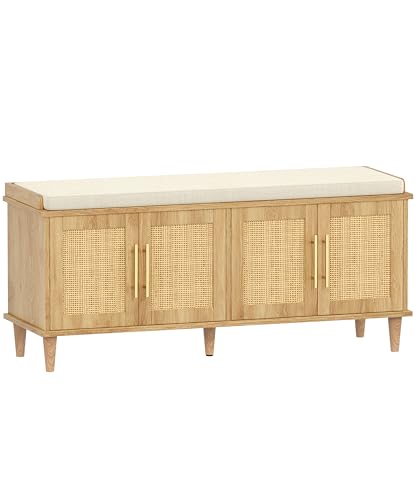
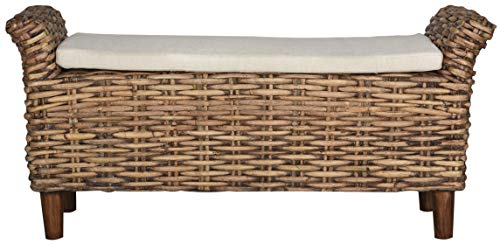
Rattan Bench: A Complete Buyer's Guide for Porches, Patios & Entryways
A rattan bench blends natural texture with practical seating. This guide explains frames, weave types, cushion choices, and where a rattan bench works best — so you can pick the right one with confidence.
Why a Rattan Bench Belongs in Your Outdoor Plan
A rattan bench fills a role that chairs and sofas often miss. It offers shared seating without the bulk of a full sofa, and it works in transitional spaces — a covered porch, a garden path, a mudroom, or beside a patio table. Unlike a single lounge chair, a bench invites two people to sit together, and unlike a large sectional, it fits into narrow zones along walls and railings.
The visual payoff is significant. Rattan's woven surface adds warmth and depth that solid metal or plastic cannot match, and it pairs naturally with wood decks, stone patios, and brick porches. If you are still mapping out your overall layout, our patio planning hub is a useful starting point before you commit to any single piece.
Rattan Bench Types: Natural Cane vs. All-Weather Wicker
The word "rattan" covers several distinct materials, and the differences matter for outdoor use.
| Type | Best For | Key Consideration |
|---|---|---|
| Natural rattan / cane | Covered porches, sunrooms, entryways | Needs shelter from direct rain and prolonged sun |
| PE (polyethylene) wicker | Open patios, decks, poolside | UV-stabilized resin resists moisture and fading |
| PVC wicker | High-moisture zones | Very water-resistant; slightly stiffer weave feel |
| Rattan-wrapped metal frame | Balconies and rental patios | Lightweight yet sturdy; check coating quality |
Natural cane is beautiful and ages with character, but it is an indoor-leaning material. For exposed outdoor positions, all-weather wicker is the more practical choice. If your bench will sit fully exposed, read our weatherproofing guide before placing it.
Frame Materials: What Holds the Weave Together
The frame determines how long a bench stays square and stable. Powder-coated aluminum is the most common outdoor frame because it resists rust and stays light enough to move. Steel frames are heavier and very rigid but require intact coatings to avoid corrosion. Solid wood frames — teak especially — offer the warmest look but need periodic sealing.
If you prefer a metal-first construction, our overview of powder-coated aluminum outdoor furniture explains how the finish affects durability. For a more traditional wood alternative, a teak outdoor bench offers similar seating with a different maintenance profile.
How to Choose the Right Size Rattan Bench
Bench sizing is where most buyers make avoidable mistakes. Measure the wall or railing first, then subtract clearance for walking past.
- Two-seat benches (roughly 40–48 inches): ideal for entryways, balconies, and narrow porch walls.
- Three-seat benches (roughly 50–60 inches): the most versatile size for patios and garden seating.
- Long benches (over 60 inches): suited to large porches or as a dining bench along one side of a table.
Seat height also matters. A seat around standard chair height works with most patio tables, while lower benches suit lounging and garden paths. If you plan to pair the bench with a table, our guide to an outdoor dining table with a bench on one side shows how mixed seating layouts come together.
Cushions, Backrests, and Comfort Details
Many rattan benches are sold as bare frames. Whether you add a cushion depends on how long people will sit. Bare woven seats are fine for short rests and entryway use; cushioned seats are better for lingering on a porch.
Look for cushion covers with removable, washable fabric and quick-dry foam. Ties or non-slip backing keep the pad from sliding. For standard sizing and fabric guidance, see our outdoor seat cushions reference. A bench paired with a small side surface also becomes far more usable — a patio side table with glass top is a natural companion.
Where to Place a Rattan Bench
Placement drives both comfort and longevity. Consider these positions:
- Covered porch: the classic spot; protects natural rattan and keeps cushions dry.
- Garden path or border: a visual anchor at the end of a walkway.
- Entryway: practical seating for shoes and bags; our benches for entryway guide covers indoor-adjacent options.
- End of a patio table: pairs well with a patio table and chairs for four when you need extra seating.
- Deck edge: works on a patio deck as a low-profile seating zone.
On a small balcony, a bench can replace two chairs and free up floor space. Our small patio ideas article covers compact arrangements in more detail.
Rattan Bench vs. Other Bench Styles
Rattan is not the only option, and comparison helps clarify the trade-offs. A metal bench is more rigid and suits modern settings but feels cooler to sit on. A garden bench in wood offers traditional charm with higher maintenance. For a lighter look and easy repositioning, a rattan bench sits between the two — textured and warm, yet generally lighter than solid wood or steel.
If your space leans contemporary, rattan can still work; choose a tighter weave and a slim frame. If it leans rustic or coastal, a looser weave with a natural finish fits right in.
Care and Maintenance for a Long-Lasting Bench
Routine care is simple and extends the bench's usable life considerably.
- Rinse all-weather wicker with mild soap and water, then air-dry fully.
- Avoid pressure washing, which can loosen weaves and strip coatings.
- Bring natural cane indoors or under cover during heavy rain and winter.
- Store cushions separately when not in use to prevent trapped moisture.
- Re-tighten frame bolts once per season.
For seasonal routines, our seasonal decor guide covers what to refresh and what to store. If you are furnishing the whole space, the all-weather patio furniture overview explains which materials hold up best together.
Budget Tiers and What They Typically Include
Rattan benches fall into clear market tiers. Understanding them helps you match expectations to construction quality.
| Tier | Typical Construction | Best For |
|---|---|---|
| Entry-level | Thin resin weave on a light tubular frame | Occasional use on covered porches |
| Mid-range | Denser PE weave, powder-coated aluminum frame | Everyday outdoor seating in most climates |
| Premium | Hand-finished weave, reinforced joints, quality coating | Year-round exposed patios and heavy use |
| Luxury | Natural cane or designer wicker with bespoke detailing | Covered architectural spaces and statement pieces |
As a rule, moving up a tier buys tighter weave consistency, better frame coatings, and smoother finishing — all of which affect how the bench looks and feels after several seasons.
Frequently Asked Questions
Can a rattan bench stay outside all year?
An all-weather wicker bench on a coated aluminum frame can stay outdoors in most climates. Natural rattan should be moved under cover during rain and winter.
Is a rattan bench comfortable without a cushion?
For short sits, yes. For longer lounging, a quick-dry cushion with a washable cover makes a noticeable difference.
How many people fit on a rattan bench?
A 40–48 inch bench seats two adults comfortably; 50–60 inches seats three. Check seat depth, as shallow benches feel smaller than their width suggests.
Does rattan fade in the sun?
UV-stabilized PE wicker resists fading well. Natural cane will lighten over time, which many owners consider part of its character.
Can I use a rattan bench indoors?
Yes. Entryways, sunrooms, and bedroom corners are common indoor placements, and natural cane is especially suited to these spots.
Ready to Pick Your Rattan Bench?
Start with the space: measure the wall, decide whether the bench will be sheltered or exposed, and set your preferred tier. From there, the shortlist narrows quickly. Browse the recommended models below to compare frame styles, weave patterns, and cushion options side by side.