
Outdoor Rocking Chair: The Complete Buying and Design Guide
Everything a research-stage shopper needs to know before choosing a rocking chair for a porch, deck, patio, or garden. Compare frame materials, cushion construction, sizing, and safety considerations so you can relax with confidence.
See Recommended Rocking ChairsWhy a rocking chair is a long-term outdoor decision: Unlike a dining chair, a rocker is used daily for reading, morning coffee, and evening conversation. That means frame durability, cushion drainage, and the smoothness of the rocker mechanism matter far more than a single-season accent piece. This guide walks through each decision point in the same order experienced buyers evaluate them.
Why Outdoor Rocking Chairs Deserve a Place on Your Patio
The rhythmic motion of a rocker is genuinely restorative — research on gentle movement consistently links it to lower stress and better sleep readiness. Outdoors, that effect is amplified by fresh air and shade. For families, a rocker also doubles as a practical spot to feed a baby, read with children, or watch the garden at dusk. If you are building out a full seating plan, a rocker pairs naturally with the wider range of outdoor patio furniture and can anchor a quiet corner of a larger outdoor patio set.
Frame Materials Compared
Material choice is the single biggest factor in how long a rocker lasts and how much upkeep it demands. The table below compares the four dominant frame types found in the market today.
| Material | Weather Resistance | Maintenance | Best For |
|---|---|---|---|
| Poly lumber (HDPE) | Excellent — won't rot, splinter, or crack | Minimal; soap and water | Coastal, humid, or rainy climates |
| High-grade aluminum | Excellent with powder-coated finish | Low; wipe down periodically | Lightweight repositioning, modern aesthetics |
| Teak / acacia hardwood | Good with periodic sealing | Moderate; oil annually | Classic porches, warm natural tones |
| Wicker / resin rattan | Fair — best under cover | Moderate; keep dry, brush weave | Covered porches, boho or coastal styling |
For shoppers prioritizing zero maintenance, poly and aluminum sit at the top of the practical ranking. For a natural look with a willingness to seal annually, hardwood remains a worthwhile investment.
Traditional Rocker vs Glider vs Swivel-Rocker
Traditional curved rocker
The classic two-runner design. Offers the most pronounced back-and-forth motion and the most visual charm on a porch. Needs 12–18 inches of clearance behind and in front for full motion.
Glider (rocker glider)
Uses a horizontal track mechanism instead of curved runners. Motion is gentler and more predictable, and it needs less rear clearance — a strong choice for narrow balconies. Explore dedicated rocker glider options for small spaces.
Swivel-rocker
Combines a 360-degree swivel base with rocking motion. Ideal for conversation layouts where the chair must rotate toward a fire pit or dining table.
Cushions: Quick-Dry Foam Is the Real Upgrade
Cushions define comfort, but they are also the first component to fail on an outdoor chair. Prioritize quick-dry reticulated foam and solution-dyed acrylic covers — both resist mold and UV fading far better than standard upholstery foam. If you already own a rocker, replacement outdoor rocking chair cushions in a two-pack cover most standard-width frames, and dedicated replacement cushions for rocking chairs let you refresh a frame you already love. During humid or rainy seasons, bring cushions inside after use and store them in a ventilated container rather than a sealed box.
Sizing and Placement on Porches, Decks, and Balconies
- Depth clearance: allow 30–36 inches for the chair plus 12–18 inches of rocking travel front and back.
- Paired seating: two rockers side-by-side need roughly 60–66 inches of wall space; a shared side table fits neatly between them.
- Narrow balconies: a glider or folding portable rocking chair is the practical solution when rear clearance is limited.
- Anchor points: if your rocker sits on an exposed deck, secure lighter frames with tie-downs or choose heavier poly lumber to resist wind.
Pairing Your Rocker with the Rest of the Patio
A rocker rarely lives alone. Consider how it will relate to surrounding pieces:
- Pair a single rocker with a small side table for coffee and a book — or add a porch bench for a layered seating zone.
- Two rockers plus a shared table create a natural conversation nook; a patio swing can extend the same relaxed rhythm nearby.
- On a covered porch, a rocker set works beautifully alongside a reading chair or a recliner chair for varied posture options.
- For entertaining, position rockers near a fire pit or serving area — the broader outdoor patio planning guide covers these layout decisions in more depth.
Seasonal Care That Extends Chair Life
- Wipe frames monthly during pollen season to prevent staining.
- Re-oil hardwood frames annually before the wet season.
- Store cushions indoors or in a ventilated container whenever rain is forecast for several days.
- Tighten all bolts at the start of each season — rocking mechanisms loosen over time and are the most common failure point.
- During winter, cover frames or move them under shelter; poly lumber handles freezing well but hardware benefits from protection.
Recommended Outdoor Rocking Chairs
⚠️ AFFILIATE DISCLOSURE: This website contains affiliate links. As an Amazon Associate, we earn from qualifying purchases. If you make a purchase through these links, we may receive a small commission at no additional cost to you. Read our full affiliate policy.

SERWALL Outdoor Rocking Chair Set of 2, HDPE Rocking Chairs for Adult, Black
Check price on Amazon
Ciokea Oversized Outdoor Rocking Chair, 380lbs Heavy-Duty Large Patio Rocker, Weather Resistant & Anti-Fade Porch Chair, High Back Cozy Rocking Chair for Outside, Fire Pit, Deck, Garden, Black
Check price on Amazon
GCI Outdoor Freestyle Rocker Camping Chair - Black | Patented Spring-Action Rocking, Fold-Flat Steel Frame w Carry Handle, Mesh Backrest, Cup Holder, 250 lb Capacity
Check price on Amazon
SERWALL Outdoor Rocking Chairs Set of 2, Oversized Patio Rocker Unique Gray | Heavy Duty Front Porch Rocker, All Weather HDPE Rocking Chairs for Adults, Durable
Check price on Amazon
GCI Outdoor Comfort Pro Rocker Camping Chair - Indigo Blue | Patented Spring-Action Rocking, Tall Angled Backrest, Mesh Back Panel, Phone Pocket, Cup Holder, 250 lb Capacity
Check price on Amazon
GCI Outdoor Freestyle Rocker Camping Chair Portable Folding Rocking Chair with Solid, Durable Armrests, Drink Holder & Comfortable Backrest — Indigo Blue
Check price on Amazon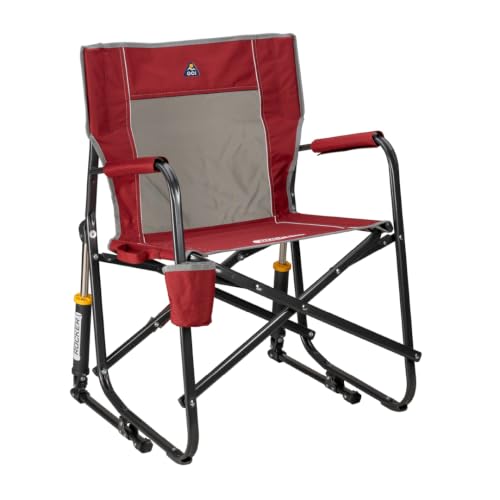
GCI Outdoor Freestyle Rocker Camping Chair - Cinnamon | Patented Spring-Action Rocking, Fold-Flat Steel Frame w Carry Handle, Mesh Backrest, Cup Holder, 250 lb Capacity
Check price on Amazon
JEAREY Papasan Rocking Chair, Outdoor Oversized Egg Chair, Beige | Oversized papasan rocking chair with thick cushion and smooth rocker base for porch, patio, bedroom, living room
Check price on AmazonFrequently Asked Questions
What is the best material for an outdoor rocking chair?
It depends on your climate and maintenance preference. Poly lumber and high-grade aluminum are the most weather-resistant and low-maintenance. Teak and acacia offer natural beauty but require periodic sealing. Wicker and rattan look great on covered porches but should be kept out of prolonged rain.
How do I keep rocking chair cushions from molding?
Choose quick-dry foam with solution-dyed acrylic covers, bring cushions indoors during heavy rain, and store them in a ventilated container off-season. Wipe down frames and let everything dry fully before storage.
How much space do I need for a rocking chair?
Allow roughly 30 to 36 inches of depth for the chair itself, plus at least 12 to 18 inches of clearance front and back for the rocking motion. On a narrow porch, a glider mechanism needs less rear clearance than a traditional curved rocker.
Are rocking chairs safe for windy or exposed decks?
Yes, if you choose heavier frames such as poly lumber or solid hardwood, or add weighted bases. On exposed decks, consider a folding or portable rocker you can bring inside during storms, and secure lighter chairs with tie-downs.
Summary: prioritize poly lumber or powder-coated aluminum if you want minimal upkeep; choose a glider for tight spaces; and invest in quick-dry cushions with solution-dyed acrylic covers. Those three decisions cover the majority of long-term satisfaction with any outdoor rocking chair.