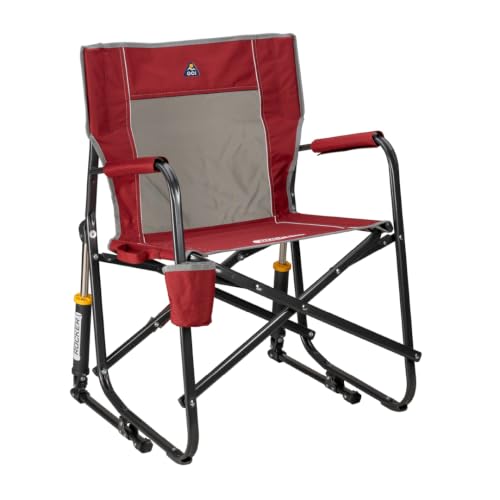
Outdoor Portable Rocking Chair: The Complete Buying Guide
Everything you need to know about folding rockers, frame materials, weight capacity, and comfort features — so you can relax anywhere, from the patio to the campsite.
Few pieces of outdoor furniture combine nostalgia, comfort, and convenience as well as the outdoor portable rocking chair. Unlike a fixed patio rocker, a portable model folds down, travels with you, and sets up in seconds — making it ideal for camping trips, tailgates, beach days, balcony lounging, and small patios where space is at a premium. But with dozens of designs on the market, how do you separate a sturdy, long-lasting rocker from one that wobbles after a season? This guide walks you through every decision point: frame construction, fabric resilience, rocking mechanism, folding design, and the comfort details that matter most. By the end, you will have a clear picture of which tier and feature set fits your lifestyle — and you will be ready to choose with confidence.
Why Choose a Portable Rocking Chair?
A portable rocking chair bridges the gap between comfort and mobility. Traditional patio rockers are heavy and anchored to one spot; portable rockers are engineered to collapse into a compact bundle that fits in a car trunk or a closet. That portability unlocks several practical benefits:
- Multi-location versatility: Use the same chair on your deck, at a campsite, on a balcony, or beside a fire pit.
- Space efficiency: Folding designs store flat, which is a major advantage for apartment dwellers and small patios.
- Seasonal flexibility: Move the chair into storage during harsh weather without hiring help.
- Travel-friendly comfort: Enjoy the soothing rocking motion wherever you go, from RV trips to outdoor festivals.
If you are outfitting a compact balcony or a reading corner, a portable rocker pairs beautifully with other space-conscious pieces such as an outdoor reading chair or a well-planned patio layout. And if you prefer a more permanent seating arrangement at home, explore our broader collection of outdoor rocking chairs for inspiration.
Frame Materials: The Backbone of Portability
The frame determines how light the chair is, how much weight it supports, and how well it resists the elements. Here is how the main options compare:
| Material | Tier | Best For | Key Traits |
|---|---|---|---|
| Aluminum | Mid-range to premium | Camping, travel, frequent movers | Lightweight, rust-proof, easy to fold |
| High-grade steel | Entry-level to mid-range | Patio and deck use, larger users | Heavy-duty, stable, reinforced joints |
| Powder-coated steel | Essential tier | Occasional use, tight budgets | Solid build, weather-resistant coating |
| Wood (teak, acacia) | Premium to luxury | Design-focused patios and porches | Natural look, heavier, requires care |
For most buyers, an aluminum frame with a rust-proof finish offers the best blend of portability and durability. Steel frames are a solid choice if the chair will mostly stay in one place, while wooden rockers are a long-term investment for design-conscious outdoor spaces. Whichever material you choose, look for reinforced joints, a weather-resistant coating, and a warranty that covers frame integrity.
Fabric and Upholstery: Comfort That Survives the Outdoors
The seat and backrest fabric must handle sun, rain, and repeated folding. Prioritize these characteristics:
- UV-resistant coating: Prevents fading and weakening of the weave after prolonged sun exposure.
- Quick-dry mesh or solution-dyed fabric: Resists mildew and dries fast after rain or a beach day.
- Breathable construction: Keeps you cool during long summer afternoons.
- Removable, washable covers: A feature-rich option for families and pet owners.
If you plan to add extra padding, consider pairing your rocker with quality outdoor rocking chair cushions. For a coordinated look across your seating area, explore outdoor seat cushions and outdoor pillows that match your color scheme.
The Rocking Mechanism: Smoothness Matters
A rocking chair is only as good as its motion. Portable rockers typically use one of three mechanisms:
| Mechanism | Tier | Best For | Key Traits |
|---|---|---|---|
| Curved rail rockers | Entry-level to mid-range | Classic rocking feel | Simple, stable, works on flat surfaces |
| Spring-loaded glider | Mid-range | Smooth, quiet motion | Compact, no floor clearance needed |
| Pivot-hinge suspension | Premium to luxury | Uneven ground and camping | Self-leveling, gentle motion, durable |
Mid-range models usually offer a smoother, quieter glide than entry-level options, while premium pivot-hinge systems are engineered to rock gently even on uneven ground — a valuable feature for campsites and grassy lawns. Test the motion if possible, and check reviews for complaints about squeaking or wobbling.
Portability and Folding Design
Portability is about more than weight. Consider these factors:
- Folded dimensions: A compact fold fits in a car trunk or closet; measure your storage space before buying.
- Carry weight: Aluminum models are typically the lightest; steel models weigh more but feel more planted.
- Carry handle or shoulder strap: Makes transport effortless from car to campsite.
- One-hand folding: A convenience feature that speeds up setup and pack-down.
- Carry bag: Protects the chair in transit and keeps dirt out of your vehicle.
If you frequently move seating between locations, our guide to portable rocking chairs covers additional models and use cases. For a permanent two-person setup at home, a rocking chair set of two may be a better fit.
Weight Capacity and Safety
Always check the manufacturer's stated weight capacity and add a margin for safety. Entry-level portable rockers commonly support around 250 pounds, while mid-range and premium models frequently handle 300 pounds or more. Look for:
- Reinforced joints: Critical stress points should be welded or double-riveted.
- Non-slip feet: Rubberized caps protect flooring and prevent sliding on smooth decks.
- Locking mechanism: A safety lock prevents accidental folding while seated.
- Stability test: A wider base footprint improves balance, especially on uneven ground.
For families with children or pets, prioritize models with rounded edges and a secure locking system. If safety around heat sources is a concern, review our fire pit patio guide for placement tips.
Where to Use Your Portable Rocker
One of the great advantages of a portable rocking chair is its adaptability. Popular settings include:
- Camping and RV trips: Lightweight aluminum models pack easily and set up beside the tent.
- Patio and deck: Pair with a patio table and chairs for a complete lounging zone.
- Balcony or small patio: Folding designs conserve space; see our outdoor patio ideas for layout inspiration.
- Beach and tailgate: Quick-dry fabric and rust-proof frames are essential.
- Indoor reading nook: A folding rocker doubles as a cozy indoor seat.
To create a cohesive outdoor space, consider complementing your rocker with a porch swing, a rocker glider, or a rocking bench for shared seating.
Care and Maintenance
With minimal care, a quality portable rocker can last many seasons:
- Wipe the frame with a damp cloth and mild soap; dry thoroughly to prevent corrosion.
- Lubricate folding joints occasionally with a silicone-based spray.
- Store indoors or under a cover during extended periods of non-use.
- Check screws and rivets seasonally and tighten as needed.
- Clean fabric according to the manufacturer's instructions; air-dry fully before folding.
For a broader maintenance routine, see our weatherproofing guide and explore outdoor care resources.
Buying Checklist: What to Look For
- ✅ Aluminum or powder-coated steel frame with rust-proof finish
- ✅ UV-resistant, quick-dry fabric
- ✅ Reinforced joints and non-slip feet
- ✅ Smooth rocking or gliding mechanism
- ✅ Compact folded dimensions with carry handle
- ✅ Adequate weight capacity for your needs
- ✅ Locking mechanism for safety
- ✅ Warranty covering frame and fabric
Frequently Asked Questions
What is the best frame material for an outdoor portable rocking chair?
Aluminum is the most popular choice because it is lightweight, rust-proof, and easy to carry. High-grade steel offers greater stability but adds weight. Premium models often combine an aluminum frame with weather-resistant fabric for the best balance of portability and durability.
How much weight can a portable rocking chair support?
Most entry-level portable rockers support around 250 pounds, while mid-range and premium models commonly handle 300 pounds or more. Always check the manufacturer's stated weight capacity and choose a model with a reinforced frame if you need extra support.
Can a portable rocking chair be used indoors?
Yes. Many folding rocking chairs are versatile enough for indoor use, especially in nurseries, reading nooks, or living rooms. Choose a model with floor-friendly glides or rubberized feet to protect indoor flooring.
How do I maintain a portable rocking chair?
Clean the frame with a damp cloth and mild soap, dry it thoroughly, and lubricate the folding joints occasionally. Store the chair in a dry place or use a protective cover during extended periods of non-use to extend its lifespan.