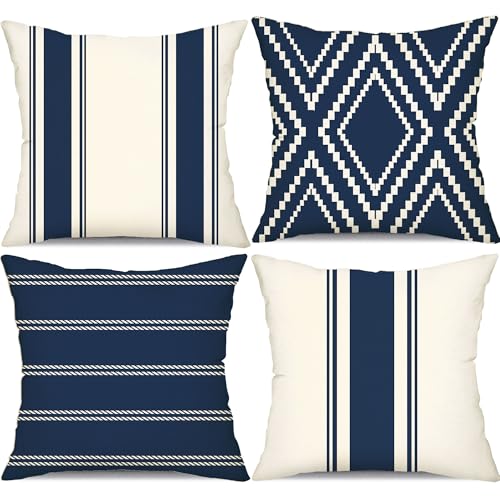
Outdoor Pillows: The Complete Buying & Styling Guide
Turn any patio, porch, or deck into a comfortable retreat. Learn how to choose weather-resistant outdoor pillows that hold their shape, resist fading, and elevate your outdoor seating.
Why outdoor pillows matter: They are the fastest way to add comfort, color, and personality to an outdoor space. But not all pillows are built for the elements. This guide explains fabric grades, fill types, weather resistance, sizing, and care so you can buy with confidence — whether you are refreshing a single chair or furnishing a full outdoor patio furniture set.
Outdoor Pillow Materials & Fabrics
The fabric determines how well a pillow handles sun, rain, and daily use. Here is what to look for.
Solution-Dyed Acrylic
The benchmark for outdoor textiles. Color is added to the fiber before it is spun, so the hue runs through the entire yarn rather than sitting on the surface. This produces outstanding fade resistance and reliable performance in prolonged sun exposure. Solution-dyed acrylic is soft to the touch, breathable, and suitable for premium and luxury tier outdoor pillows that live outside year-round.
Polyester & Olefin Blends
Common in mid-range and entry-level outdoor pillows. Polyester resists moisture and dries relatively quickly, while olefin is lightweight and inherently water-repellent. Blends improve durability and shape retention. These fabrics are a solid choice for covered porches or seasonal use, though they may show fading sooner than solution-dyed acrylic in intense sun.
Performance Woven & Textured Fabrics
Woven textures, canvas-like weaves, and printed patterns add visual depth. Many modern performance fabrics combine a weather-resistant coating with a tight weave that blocks moisture and resists pilling. When shopping, check whether the fabric is described as mold-resistant, mildew-resistant, and UV-stabilized.
What to verify on the label
- Fade resistance rating (look for UV-stabilized or solution-dyed claims)
- Water repellency or quick-dry properties
- Mold and mildew resistance
- Removable, machine-washable cover if easy maintenance matters to you
If you plan to place pillows on uncovered seating, pair them with the right cushion base. Our guide to outdoor seat cushions 24 x 24 covers how cushion cores and covers work together for comfort and drainage.
Fill Types: Which Core Suits Your Patio?
The fill controls loft, support, and how a pillow behaves after rain or humidity.
Polyester Fiberfill
The most common outdoor fill. It is lightweight, resilient, and quick-drying when paired with a breathable cover. Mid-range and premium outdoor pillows often use denser fiberfill clusters for better shape retention.
Fast-Dry Foam
Open-cell foam designed to let water pass through rather than absorb it. It offers firmer support and is common in high-end tier lumbar pillows and seat-back cushions. Fast-dry foam holds its structure well over time.
Polyester Beads / Microbeads
Used in decorative throw pillows for a relaxed, moldable feel. Beads drain easily, but they can shift. Look for a sewn-in inner liner for better shape control.
Down-Alternative Blends
Synthetic clusters mimic the softness of down while resisting moisture. Found in top-tier decorative pillows where a plush look matters. Choose versions explicitly rated for outdoor use.
Weather Resistance: What Actually Matters
"Outdoor" on a label is not a guarantee. These are the features that keep pillows usable season after season.
- UV stabilization: Prevents color fade and fiber weakening under direct sun.
- Water repellency: Encourages rain to bead and roll off rather than soak in.
- Quick-dry construction: Breathable covers and drainage-friendly fills reduce lingering dampness.
- Mold and mildew resistance: Essential for humid climates and shaded patios.
- Reinforced seams: Double-stitched or bound seams resist splitting from sun and tension.
- Hidden zippers: Protect the closure from grit and reduce snag points.
For uncovered spaces, consider storing decorative pillows in a patio storage cabinet with shelves during heavy rain, or choose seating that includes built-in storage. Our guide to outdoor patio furniture with storage for cushions explains how integrated storage keeps textiles protected and extends their service life.
Sizing & Fit: Matching Pillows to Your Seating
Proportions matter. An oversized pillow on a small chair looks crowded, while an undersized pillow disappears on a deep sofa.
Common outdoor pillow sizes and where they work
- 16 x 16 inches: Accent pillows for dining chairs, bistro seats, and smaller benches.
- 18 x 18 inches: The versatile standard for lounge chairs, rocking chairs, and porch benches.
- 20 x 20 inches: A comfortable backrest on deep seating, sectionals, and sofa corners.
- 12 x 20 inches (lumbar): Lower-back support on dining chairs, swings, and loungers.
- 22 x 22 inches and larger: Statement pillows for large sectionals and daybeds.
Measure the seat back height and width before ordering. For coordinated comfort, pair throw pillows with seat cushions sized to your furniture. If you own a sectional, our overview of outdoor patio sectionals and the guide to sectional replacement cushions help you align pillow scale with cushion depth.
Outdoor Pillow Quality Tiers Compared
Use this tier framework to compare construction quality without relying on numeric figures. Higher tiers generally deliver longer service life and better color retention.
| Tier | Typical Fabric | Fill Quality | Best For |
|---|---|---|---|
| Entry-level | Basic polyester; limited UV treatment | Standard fiberfill | Covered porches, seasonal accents, occasional use |
| Mid-range | Polyester-olefin blend; water-repellent finish | Denser fiberfill or fast-dry foam | Everyday patio seating with partial shade |
| Premium | Solution-dyed acrylic or high-performance woven | Fast-dry foam or clustered fiberfill | Year-round exposed seating; high-sun areas |
| Luxury | Premium solution-dyed acrylic with reinforced construction | High-loft fast-dry foam or down-alternative blend | Designer outdoor rooms; long-term investment |
Mid-range options are often competitive within their class, while premium and luxury tiers justify their position through superior fade resistance and shape retention over multiple seasons.
Styling Tips for Outdoor Pillows
Simple, practical ideas that work with any patio style.
Build a layered look
Start with a neutral base pillow, then add one patterned or textured accent per seat. Two to three pillows per sofa section usually reads as intentional without feeling cluttered.
Anchor with a rug
An outdoor rug visually connects seating and makes pillow colors pop. Browse outdoor rugs to define the conversation area before adding textiles.
Repeat colors across zones
Echo one pillow color in planters, lanterns, or table linens. A small dose of repetition makes the whole space feel designed rather than assembled.
Mix shapes, not chaos
Combine square and lumbar pillows in the same palette. Varying shape adds interest while a consistent color story keeps things calm.
Consider the furniture silhouette
Slim rocking chairs and bistro seats suit smaller squares and lumbar pillows. Deep sectionals and daybeds can carry larger statement squares. Our guides to swivel chairs with cushions and outdoor patio swings show how pillow scale changes with seat depth.
Care & Maintenance
A little routine care dramatically extends pillow life.
- Shake pillows after rain to restore loft and speed drying.
- Brush off dry debris before it works into the weave.
- Spot clean with mild soap and water; avoid harsh bleach on colored fabrics.
- Check care tags before machine washing — many covers are machine-washable, but inserts usually are not.
- Air-dry fully before returning pillows to seating to prevent mildew.
- Store decorative pillows during off-season or prolonged wet weather.
For deeper cleaning routines across all your outdoor textiles, see our outdoor patio furniture resource hub, which links maintenance guides for cushions, frames, and covers.
Frequently Asked Questions
Can outdoor pillows stay outside in the rain?
Premium and luxury tier pillows with solution-dyed acrylic covers and fast-dry fills are designed to handle occasional rain. Even so, prolonged soaking and standing water shorten service life. Bring decorative pillows inside during storms and store them when not in use for best results.
How many pillows should a patio sofa have?
A practical rule is two to three pillows per seating section, mixing square and lumbar shapes. Large sectionals can support more, but keep walkways and seat depth clear so the furniture remains comfortable to use.
Are outdoor pillow covers sold separately?
Many brands offer replacement covers, which is useful when a fabric fades or a zip fails. If you plan to refresh colors seasonally, choose a brand with separately available covers and standard insert sizes.
Do outdoor pillows fade in the sun?
All textiles fade eventually, but solution-dyed acrylic resists fading far better than surface-dyed polyester. If your seating receives direct afternoon sun, prioritize UV-stabilized fabrics and rotate pillows occasionally for even exposure.
What is the best fill for humid climates?
Fast-dry foam and denser polyester fiberfill perform best in humid conditions because they drain and dry faster than loose fiber clusters. Ensure the cover is breathable and the pillow has a way to shed water, such as a hidden zipper and quick-dry liner.
Ready to Refresh Your Outdoor Seating?
Explore our curated selection of outdoor pillows and patio comfort essentials, chosen for weather resistance, durability, and style.
View Recommended Pillows