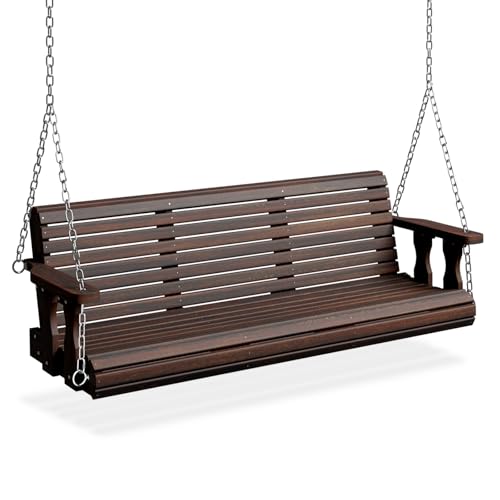
Outdoor Porch Swing: The Complete Buying Guide
Everything you need to choose, hang, and enjoy the perfect porch swing — from materials and hanging hardware to comfort features, sizing, and long-term care.
Why a porch swing deserves careful consideration: A porch swing is more than furniture — it is a daily ritual. It transforms a front porch into a destination, a backyard deck into a retreat, and a quiet corner into the most-used seat in the house. But the wrong swing, weak hardware, or poor material choice can turn that dream into a maintenance headache. This guide walks you through every decision so you can buy once and enjoy for years.
Porch Swing Materials Compared
The material of your porch swing determines how it ages, how much maintenance it demands, and how it feels underfoot and underhand. There is no single best material — only the best match for your climate, your porch structure, and your willingness to maintain it.
Wood: Cedar, Teak, and Pressure-Treated Pine
Wood remains the classic porch swing material for good reason. Cedar and teak offer natural weather resistance and a warm, traditional look that suits farmhouse, craftsman, and coastal porches alike. Pressure-treated pine is a solid entry-level choice but requires regular sealing to prevent cracking and rot. Wood swings feel substantial and quiet in motion, though they are heavier than aluminum or resin options and need annual inspection for loose joints and finish wear.
Metal: Steel, Aluminum, and Powder-Coated Frames
Powder-coated steel delivers heavy-duty strength and a clean, modern silhouette. Aluminum is lighter and rust-resistant, making it a smart pick for humid climates and covered porches. Metal swings pair well with cushioned seats and are often the backbone of outdoor patio swing designs that need to withstand daily use. Look for reinforced welds and rust-proof finishes on any metal frame.
Resin and HDPE Poly Lumber
High-density polyethylene (HDPE) poly lumber is the maintenance-free champion. It resists moisture, insects, fading, and cracking, and it never needs painting or sealing. Entry-level poly swings are sturdy but basic; mid-range and premium poly swings often mimic the look of painted wood with smoother finishes and better hardware. For homeowners who want a swing that looks good season after season with minimal effort, poly is a top-tier pick.
Wicker and Rattan
Wicker and all-weather rattan bring texture and a relaxed, breezy aesthetic. Natural wicker is best reserved for covered porches, while synthetic all-weather wicker can handle more exposure. These swings are typically lighter and pair beautifully with outdoor pillows and soft cushions, but they may need more careful handling around heavy use.
Climate tip: In rainy or humid regions, prioritize aluminum, HDPE poly, or teak. In dry, sunny climates, cedar and powder-coated steel hold up well with routine care. If your porch is fully covered, nearly any material works — the real deciding factor becomes comfort and style.
Hanging Options and Hardware
How you hang your swing matters as much as the swing itself. A beautiful swing on weak hardware is a safety hazard; a modest swing on proper hardware can last for decades.
Ceiling-Mounted Swings
Hanging from porch ceiling joists is the most traditional approach. You need solid structural support — not just drywall or thin decking. Use heavy-duty lag bolts or through-bolts rated for the swing's total load, and install them into the center of a joist. For added security, a mounting plate spread across two joists distributes the weight more evenly.
Freestanding Frames and Stands
A freestanding frame is ideal for renters, concrete patios, decks without overhead structure, or anyone who wants to reposition the swing seasonally. Choose a frame rated well above the swing's weight and occupants, and check that the base fits your porch surface. Frames with wider footprints are more stable; those with adjustable heights let you fine-tune the swing's distance from the ground.
Chains, Ropes, and Suspension Kits
Chains are durable and easy to adjust; ropes offer a softer, more rustic look but stretch over time and need retying. Whichever you choose, use hardware rated for the load, inspect for wear each season, and add a spring or swivel between the chain and the swing to reduce stress on the mounting point. For a broader look at complementary seating, explore our guide to outdoor rocking chairs and how they compare to swings for porch relaxation.
Safety first: Never hang a porch swing from a railing, a decorative beam, or a branch without confirming its load rating. When in doubt, consult a contractor or choose a freestanding frame — the swing is only as safe as its weakest connection point.
Comfort, Cushions, and Ergonomics
A porch swing is meant to be sat in — often for long stretches. Comfort comes from three things: seat depth and angle, cushion quality, and how the swing moves.
Seat Depth and Back Angle
Look for a seat depth that lets you sit with your back supported and your feet comfortably reaching the floor or a small footrest. A gently reclined back angle feels more relaxing than a rigid upright seat. Bench-style swings with slatted backs are airy and supportive; cushioned swings feel softer but need weather-resistant covers.
Cushions and Pillows
Outdoor-grade cushions should use quick-drying foam and UV-resistant fabric. Removable, washable covers make seasonal refresh easy. Pair a seat cushion with a few outdoor pillows for back support and color. If you are furnishing a wider seating area, our guide to outdoor seat cushions explains sizing and fabric choices in more detail.
Motion and Glide Quality
The smoothest swings use quality suspension hardware and a balanced frame. Entry-level swings may have a slight sway or squeak; mid-range models typically offer smoother motion and better hardware; premium swings feel nearly silent and glide effortlessly. If you love the rocking motion but want a different form factor, browse our outdoor rocker selection for comparison.
Sizing and Placement
Measure twice before you buy. A porch swing needs room to move, room to sit, and safe clearance from railings and walls.
- Width: Allow at least 30 inches of clearance on each side of the swing so it can move freely without hitting railings or posts.
- Depth: Leave roughly 4 feet of front-to-back clearance so you can walk past the swing comfortably.
- Seating capacity: Two-seat swings suit narrow porches; three-seat and bench-style swings work well on wider porches and decks.
- Frame footprint: If using a freestanding frame, measure its base — it is often wider than the swing itself.
For porch spaces that need extra seating beyond the swing, consider pairing it with an outdoor porch bench or a set of outdoor rocking chairs to create a cohesive sitting area.
Quality Tiers Explained
Porch swings fall into recognizable quality tiers. Understanding these tiers helps you match expectations to construction — without relying on fluctuating figures.
| Tier | Typical Construction | Best For |
|---|---|---|
| Entry-level | Basic wood or resin frame, simpler hardware, standard cushions | Occasional use, covered porches, first-time buyers |
| Mid-range | Better joinery, smoother suspension, weather-resistant finishes, upgraded cushions | Daily use, families, mixed climates |
| Premium | Solid hardwood or heavy-duty metal, precision hardware, UV-resistant fabrics, refined finishing | Long-term outdoor living, exposed porches, design-focused spaces |
| Luxury / Commercial-grade | Architectural-grade materials, reinforced frames, near-silent glide, custom upholstery | High-traffic porches, hospitality settings, statement pieces |
As a rule, mid-range swings offer the most balanced combination of durability, comfort, and design flexibility. Premium and luxury tiers are worthwhile investments if the swing will be used daily or exposed to harsh weather. Entry-level swings are a solid choice for seasonal or covered use.
Care and Weather Protection
Even the toughest porch swing benefits from routine care. A few simple habits keep the frame solid, the finish fresh, and the motion smooth.
- Inspect hardware seasonally: Tighten bolts, check chains or ropes for wear, and replace any stretched or rusted components.
- Clean gently: Use mild soap and water for frames and cushions; avoid abrasive cleaners on powder-coated or painted surfaces.
- Seal wood annually: A fresh coat of sealant protects against moisture and UV damage.
- Store cushions: Bring cushions indoors during off-season or heavy rain to prevent mildew.
- Use a cover: A fitted cover protects the swing during long stretches of disuse.
For a broader maintenance routine across all your outdoor pieces, see our weatherproofing guide.
Ready to Choose Your Porch Swing?
Explore our hand-picked selection of outdoor porch swings and find the right fit for your porch, your climate, and your daily routine.
View Recommended SwingsFrequently Asked Questions
What is the best material for an outdoor porch swing?
The best material depends on your climate and maintenance preferences. Cedar and teak offer natural weather resistance, powder-coated steel provides heavy-duty strength, HDPE poly lumber delivers maintenance-free durability, and wicker brings lightweight charm. For humid or rainy climates, poly lumber and aluminum are top-tier choices.
How much weight can a porch swing hold?
Weight capacity varies by construction. Entry-level models typically support around 400 to 500 pounds, mid-range swings handle 500 to 600 pounds, and premium or commercial-grade frames often support 600 pounds or more. Always check the manufacturer's stated capacity and ensure the ceiling joists are rated for the combined swing and occupant load.
Do I need a porch swing stand or can I hang it from the ceiling?
You can do either. Hanging from a ceiling requires solid structural joists and heavy-duty mounting hardware. A freestanding frame is ideal for renters, decks without overhead support, or anywhere you want flexibility in placement. Choose a stand rated for the swing's weight and your porch surface.
How do I protect my porch swing from weather?
Choose weather-resistant materials, apply sealant to wood annually, tighten hardware each season, and use a fitted cover during off-season months. Store cushions indoors when not in use, and inspect chains or ropes for wear. Regular maintenance extends the life of any porch swing.
What size porch swing is right for my space?
Measure the available width, allowing at least 30 inches of swing clearance on each side and 4 feet of front-to-back clearance. Two-seat swings generally work well on smaller porches, while three-seat and bench-style swings suit wider spaces. Always confirm the swing's total footprint, including the frame if you use one.