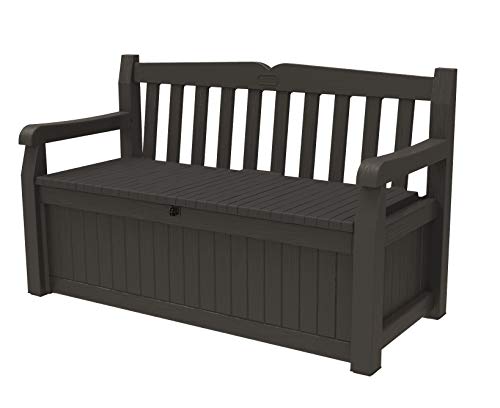
Outdoor Porch Bench: The Complete Buying Guide
Transform your front porch into a welcoming retreat. Learn how to choose the right bench for comfort, durability, and style — so you can sit back and enjoy the view for years.
Start Your ResearchWhy a porch bench matters: A porch bench is more than seating — it's an invitation. It softens your home's entry, adds curb appeal, and creates a natural gathering spot for morning coffee, evening chats, or quiet reading. But with so many materials, sizes, and styles on the market, choosing the right one takes a little planning. This guide walks you through every decision so you can buy with confidence.
Key Factors Before You Buy
1. Measure Your Space First
Porch benches typically range from 48 to 72 inches long. A two-seater suits compact porches, while a three-seater fits wider front entries. Before shopping, measure your porch width and note door swing clearance. Leave at least 18 inches of walking space on each side so the bench never blocks traffic flow. Also check the depth — a bench that's too deep can crowd a narrow porch.
For more on coordinating seating with your layout, see our guide to outdoor patio furniture and the broader outdoor patio planning advice.
2. Choose the Right Material for Your Climate
Material determines how your bench looks, feels, and holds up. Here's how the main options compare:
| Material | Best For | Maintenance | Durability Tier |
|---|---|---|---|
| Solid Wood (Teak, Cedar, Acacia) | Classic warmth, covered porches | Annual sealing recommended | Mid-range to premium |
| High-Grade Steel & Aluminum | Modern styles, heavy-duty use | Wipe dry; rust-proof finish helps | Mid-tier to high-end tier |
| Weather-Resistant Resin | Low-maintenance, humid regions | Minimal — soap and water | Entry-level to mid-range |
| Wicker & Rattan (Synthetic) | Coastal and bohemian looks | Occasional cleaning | Mid-range |
If your porch is fully exposed to rain and sun, resin and powder-coated metal are the most forgiving. Wood shines on covered porches where you can control moisture. For a style that leans into natural texture, explore our outdoor rocking chairs — many share the same material families.
3. Pick a Style That Fits Your Home
Your bench should feel like it belongs. Match the architecture and your personal taste:
- Classic & Traditional: Slatted wood benches with curved arms and turned legs pair well with farmhouse and colonial homes.
- Modern & Minimalist: Clean-lined metal or composite benches with straight profiles suit contemporary entries.
- Coastal & Nautical: White-painted wood or synthetic wicker with navy cushions evoke a seaside feel.
- Rustic & Natural: Live-edge timber and reclaimed wood bring warmth to cabin-style homes.
For more inspiration, browse our patio styles section and our guide to front porch decor for accent ideas.
4. Comfort: Cushions, Back Support & Ergonomics
A bench you love to sit on is worth every consideration. Look for:
- Seat depth: 16–20 inches is comfortable for most adults.
- Back height: A mid-to-high back supports longer sitting sessions.
- Armrests: Helpful for getting up, and they define your seating space.
- Cushions: Choose quick-dry foam with UV-resistant covers. If your bench stays outdoors, consider one with storage for cushions or a separate storage cabinet with shelves.
For matching accessories, see our outdoor seat cushions and outdoor pillows pages to complete the look.
5. Construction Quality: What to Inspect
Before buying, check these build details:
- Joinery: Welded metal joints and mortise-and-tenon wood joints outlast simple screws.
- Weight capacity: A solid build should support at least 500 lbs for a two-seater.
- Finish: Powder-coated metal and sealed wood resist rust and rot.
- Hardware: Stainless or galvanized fasteners prevent corrosion over time.
Heavy-duty construction and weather-resistant coating signal a bench built for the long term — a worthwhile investment for any front entry.
Bench Quality Tiers at a Glance
Essential Tier
Entry-level benches with basic materials. Good for seasonal use or covered porches. Expect simpler joinery and lighter frames.
Balanced Tier
Mid-range options with upgraded materials and better ergonomics. Solid choice for year-round use in moderate climates.
Top-Tier
Premium and luxury construction with heavy-duty frames, refined finishes, and superior comfort — built to last decades with proper care.
Explore Related Porch & Patio Essentials
Ready to Find Your Perfect Porch Bench?
You've covered the essentials — now see our top recommendations and compare features side by side.
View Recommended BenchesFrequently Asked Questions
What is the best material for an outdoor porch bench?
The best material depends on your climate and maintenance preference. Solid wood offers classic warmth, high-grade steel provides heavy-duty strength, and weather-resistant resin delivers low-maintenance convenience. For humid or rainy regions, resin and metal with rust-proof finish tend to perform best, while wood suits covered porches with seasonal sealing.
How long should an outdoor porch bench be?
Most porch benches range from 48 to 72 inches in length. A two-seater typically measures around 48 inches, while a three-seater runs 60 to 72 inches. Always measure your porch width and leave at least 18 inches of walking clearance on each side for comfortable flow.
Do I need cushions for a porch bench?
Cushions add comfort and style but are optional. Look for outdoor-grade foam with quick-dry covers and UV protection. If your bench stays exposed to rain, consider a bench with storage for cushions or a model with built-in padding that resists moisture.
How do I protect a porch bench from weather?
Apply a protective cover during off-season, seal wood annually, wipe metal frames dry after rain, and choose cushions with weather-resistant covers. A covered porch reduces exposure dramatically, so placement matters as much as material choice.