Outdoor Picnic Bench: The Complete Buyer's Guide
Everything you need to know about choosing a durable, comfortable, and stylish picnic bench for your backyard, garden, or patio. Compare materials, sizes, and designs with confidence.
Why a picnic bench matters: A well-chosen picnic bench becomes the social heart of your outdoor space. It invites family meals, casual gatherings, and quiet mornings with coffee. This guide walks you through the key decisions so you can pick a bench that fits your space, your climate, and the way you actually live outdoors.
What Makes a Great Outdoor Picnic Bench?
An outdoor picnic bench is more than a place to sit. It is a multi-purpose piece of furniture that serves as a dining surface, a gathering point, and sometimes a workspace or a children's activity table. Unlike a standard outdoor porch bench, a picnic bench typically pairs a long tabletop with integrated or separate seating, designed for shared use.
The best picnic benches share a few core qualities: stable construction, weather-resistant materials, and a size that matches both your space and your household. A bench that wobbles, fades, or proves too small for your family will quickly become a source of frustration rather than a place of relaxation.
Understanding the components — tabletop, frame, seating, and fasteners — helps you evaluate quality before you commit. Heavier frames and reinforced joints generally translate to a longer service life, especially in areas that see frequent use or harsh weather.
Materials Compared: Wood, Metal, and Recycled Plastic
The material you choose shapes everything from maintenance routines to the look of your outdoor space. Here is how the most common options compare.
Wood Picnic Benches
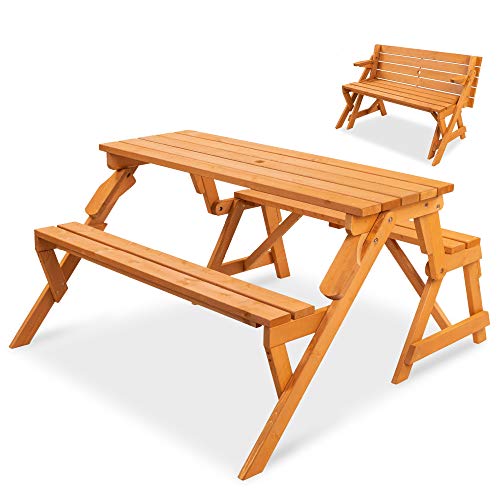
Wood remains the classic choice for a reason. Cedar and teak offer natural rot resistance and a warm, inviting appearance that blends into garden settings. Pine and fir are common in entry-level designs; they perform well when properly sealed but demand more frequent maintenance. A wooden bench can last many seasons with annual sealing and routine cleaning.
Wood benches pair beautifully with other natural elements in your yard, such as a outdoor planter or a potting bench nearby. Keep in mind that wood expands and contracts with humidity, so inspect fasteners periodically and reapply a weather-resistant finish as needed.
Metal and Aluminum Picnic Benches
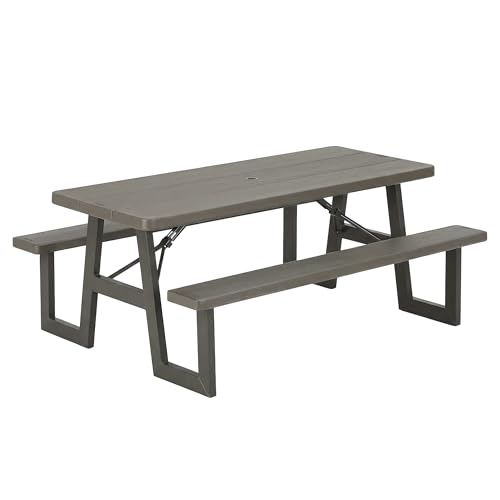
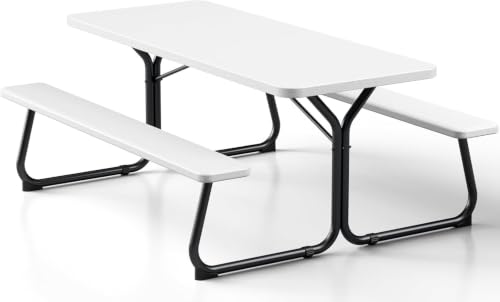
Powder-coated steel and aluminum frames offer excellent structural strength and resist pests and rot. Aluminum is lightweight enough to move when needed yet rigid enough for daily use. Powder coating adds a layer of protection against rust and scratches, though deep chips should be touched up promptly to prevent corrosion.
Metal benches often feature slatted tops that drain rainwater quickly, making them a practical pick for rainy climates. They tend to feel firmer underfoot and may require cushions for extended seating comfort.
Recycled Plastic and Poly Lumber
High-density polyethylene (HDPE) and poly lumber have grown popular because they resist moisture, UV fading, and insect damage without the upkeep required by wood. A high-grade recycled plastic bench can mimic the look of painted wood while offering exceptional longevity. These benches are heavier than aluminum but generally need only a periodic wash with soap and water.
If sustainability matters to you, poly lumber made from post-consumer plastic is an attractive option that keeps material out of landfills while delivering dependable performance.
Quality Tiers at a Glance
Rather than focusing on transient market figures, it helps to classify picnic benches by their construction tier. Use the table below to align your expectations with the build quality you are considering.
| Tier | Typical Construction | Best For |
|---|---|---|
| Entry-level | Light pine or fir, basic hardware, thinner slats | Occasional use, seasonal setups, first-time buyers |
| Mid-range | Cedar or powder-coated aluminum, reinforced joints | Regular family use, year-round patios, mixed climates |
| Premium | Teak, high-grade HDPE, stainless or galvanized fasteners | Frequent entertaining, exposed locations, long-term ownership |
| Commercial-grade | Heavy-duty timber or steel, welded frames, industrial coatings | Parks, restaurants, high-traffic shared spaces |
Within each tier, look for well-specified hardware and solid joinery. A mid-range bench with stainless fasteners often outlasts an entry-level model with untreated screws, even when both use similar lumber.
Sizing and Seating Capacity
Picnic benches come in several standard configurations. Choosing the right size depends on how many people you typically seat and how much clearance your space allows.
- Four-person benches: Usually around four to five feet long. Ideal for balconies, small patios, and couples.
- Six-person benches: Typically six feet long with attached benches on both sides. A versatile choice for most households.
- Eight-person benches: Eight feet or longer. Suited to large families and frequent entertaining.
- Round or octagonal tables: Encourage conversation and fit well in corner spaces or alongside a outdoor patio dining area.
As a rule of thumb, allow about two feet of table length per seated person and leave at least three feet of clearance on all sides for walking and pulling benches out. If your space is tight, consider a bench with detached seating that can be tucked underneath when not in use.
Attached benches add stability and keep seating aligned with the table, which is helpful on uneven ground. Detached benches offer flexibility — you can move them to face a fire pit or use them as standalone seating along a patio with fire pit.
Design Styles and Features to Consider
Picnic benches range from rustic farmhouse designs to sleek modern silhouettes. The right style should complement your home's exterior and the surrounding landscape.
Classic A-Frame
The traditional A-frame bench is instantly recognizable and built for stability. It suits cottage gardens, family backyards, and casual outdoor dining. Many A-frame models include a hole in the center for an umbrella, which is a practical feature for sunny locations.
Convertible and Folding Benches
Folding picnic benches collapse for storage and transport, making them useful for apartment dwellers or seasonal setups. Check hinge quality carefully; reinforced hinges and locking mechanisms are essential for safety and longevity.
Benches With Storage or Accessories
Some designs incorporate storage compartments beneath the seats or built-in coolers. If you often host gatherings, a bench with storage can keep tableware and supplies close at hand. Pair it with a serving station and storage cabinet to create a complete outdoor entertaining zone.
Wheelchair-Accessible and Inclusive Designs
Extended tabletop overhangs allow wheelchair users to pull up comfortably. Detached benches also make it easier for guests with mobility aids to join the table. These considerations matter if your picnic bench will serve as a primary gathering space.
Comfort: Cushions, Backrests, and Ergonomics
Picnic benches are not always the most forgiving seating, but a few additions transform the experience. Backrest attachments and seat cushions provide support for longer meals and relaxed afternoons.
When selecting cushions, choose outdoor-rated fabrics that resist mildew and fading. Quick-drying foam cores prevent water from pooling after rain. If your bench has slatted seating, look for cushions with tie-down straps to keep them in place on breezy days.
Ergonomics matter too. Bench seats that are too narrow or too high cause fatigue. Aim for a seat height around seventeen to eighteen inches and a seat depth of at least fourteen inches. A backrest angle of roughly ten to fifteen degrees offers comfortable support without forcing an awkward posture.
If your picnic bench doubles as a lounging spot, consider pairing it with a reading chair or a rocking chair nearby for variety.
Where to Place Your Picnic Bench
Placement affects both the bench's longevity and how often you use it. A few guidelines help you choose the ideal spot:
- Level ground: A flat, firm surface prevents wobbling and reduces stress on joints.
- Partial shade: Some afternoon shade protects both sitters and the bench's finish. If natural shade is unavailable, an umbrella or a nearby table and chairs with umbrella provides relief.
- Drainage: Avoid spots where water pools after rain, as standing moisture accelerates rot and corrosion.
- Proximity to the kitchen or grill: A short walk to food preparation areas makes the bench more practical for everyday meals.
- Away from sprinklers: Constant overspray wears down finishes faster than rain alone.
A picnic bench under a tree or beside a garden planter creates a natural focal point. On smaller properties, a bench placed along a fence line or at the edge of a deck maximizes usable space.
Maintenance and Weather Protection
Routine care extends the life of any picnic bench. The specific tasks depend on the material, but a few habits apply broadly.
Wood Care
Clean wood surfaces with mild soap and a soft brush, then rinse and allow them to dry fully. Apply a penetrating sealant or outdoor oil once a year, or more often in harsh climates. Inspect for splinters and sand lightly if needed. Covering the bench during winter reduces moisture cycling.
Metal Care
Wipe down powder-coated surfaces with a damp cloth. Touch up chips promptly with matching paint to prevent rust. Avoid abrasive cleaners that dull the coating. Lubricate hinges on folding models periodically.
Plastic and Poly Lumber Care
A wash with soap and water is usually sufficient. For stubborn marks, a soft-bristle brush and diluted vinegar work well. Avoid harsh solvents that can dull the surface finish.
Regardless of material, remove debris from tabletop grooves and seat joints after storms. Standing organic matter traps moisture and encourages mildew. A fitted cover protects against extended exposure during off-season months.
A Practical Buying Checklist
Before finalizing your choice, run through these questions:
- Does the bench fit the available footprint with adequate clearance?
- Is the material suited to your climate and maintenance preferences?
- Are the joints reinforced and the fasteners rust-resistant?
- Does the seat height and depth support comfortable sitting?
- Will attached or detached benches better suit your gatherings?
- Is there an umbrella hole or other feature you need?
- Does the style harmonize with your home's exterior?
If you are furnishing a broader outdoor space, you may also want to review options for an outdoor patio furniture set or a seating set to coordinate your picnic bench with the rest of your layout.
Ready to Find Your Perfect Picnic Bench?
Browse our recommended options below and compare features, materials, and designs to make an informed choice.
Frequently Asked Questions
What is the most durable material for an outdoor picnic bench?
Cedar, teak, and high-grade recycled plastic are among the most durable materials. Cedar and teak resist rot naturally, while recycled plastic withstands moisture and UV exposure without fading or cracking.
How much space do I need for a picnic table with benches?
A standard six-foot picnic table with attached benches requires roughly ten feet by eight feet of clear space to allow comfortable seating and walking room around all sides.
Should I choose an attached or separate bench design?
Attached benches offer stability and a classic look suited to families, while separate benches allow flexible seating arrangements and easier access for guests with mobility concerns.
How do I protect a wooden picnic bench from weather damage?
Apply a weather-resistant sealant annually, store or cover the bench during harsh winter months, and clean the surface regularly to prevent moisture buildup and mildew growth.
Can a picnic bench be used on a deck or balcony?
Yes, provided the bench fits and does not overload the structure. Choose lighter materials like aluminum or folding designs for elevated spaces, and verify the deck's load capacity for heavier models.