Outdoor Benches: The Complete Buying Guide
Everything you need to choose a durable, comfortable, and beautiful outdoor bench for your patio, garden, porch, or yard — from materials and styles to placement and long-term care.
Start Your ResearchWhy an outdoor bench deserves a place in your plan: A bench is one of the most versatile pieces of outdoor furniture you can own. It anchors a garden path, defines a conversation corner on the patio, adds curb appeal to a front porch, and gives guests a natural place to pause. This guide walks you through the decisions that matter most so you can buy with confidence.
Why Outdoor Benches Are a Smart Addition
Outdoor benches serve more purposes than many homeowners realize. They provide seating without the bulk of a full sofa set, they work as standalone focal points, and they integrate beautifully with existing patio and garden layouts. Whether you are furnishing a compact balcony or a sprawling backyard, a well-chosen bench fills a functional gap that chairs and loungers often leave open.
Benches also encourage conversation. A bench placed opposite a pair of durable outdoor chairs creates an instant seating group. Placed beside a round outdoor coffee table, it becomes a relaxed spot for morning coffee or evening reading. And in garden settings, a bench at the end of a path or under a tree gives structure and purpose to the landscape.
Beyond function, outdoor benches add visual weight and permanence. They signal that a space is designed for people to linger. If you are building out a complete outdoor living area, a bench pairs naturally with a patio conversation set or a porch furniture set to create layered, welcoming seating.
Types of Outdoor Benches
The first decision is the type of bench that matches your space and intended use. Each category below has distinct strengths, and choosing the right one early makes every later decision easier.
Garden Benches
Designed as landscape features, garden benches typically feature slatted backs and armrests. They work best along paths, under trees, or as focal points in flower beds. Wood and metal are the most common builds.
Patio Benches
Patio benches are built for hard surfaces and often coordinate with dining or lounge sets. Backless styles tuck neatly under tables, while backed benches serve as standalone seating near a furniture set with a fire pit.
Porch Benches
Porch benches prioritize curb appeal and comfort. They are usually sized for two or three people and pair well with outdoor seat cushions for a cozy, residential look.
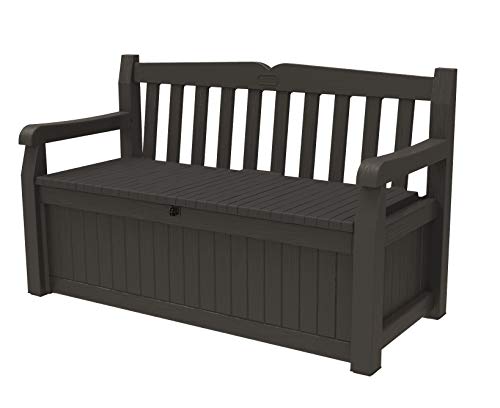
Storage Benches
Storage benches combine seating with concealed compartments for cushions, tools, or garden supplies. They are especially useful on small patios where every piece must multitask.
Tree Benches
Wrap-around tree benches are built around a trunk and create a striking natural gathering point. They are typically custom or semi-custom and suit mature gardens.
Convertible Benches
Some benches convert into picnic tables or loungers. These hybrid designs are practical for families who want flexibility without owning multiple pieces of furniture.
Choosing the Right Material
Material determines how your bench ages, how much maintenance it needs, and how well it matches your home's exterior. The table below compares the most common options using neutral quality tiers rather than any numeric ranking.
| Material | Best For | Durability Tier | Maintenance Level |
|---|---|---|---|
| Teak | Premium gardens, long-term investment | Luxury / flagship tier | Low to moderate |
| Cedar & Pine | Classic porch and garden looks | Mid-range tier | Moderate (annual sealing) |
| Powder-Coated Aluminum | Coastal and rainy climates | High-end tier | Low |
| Wrought Iron & Steel | Traditional, ornate designs | Premium tier | Moderate (rust checks) |
| HDPE / Resin | All-weather, low-maintenance yards | Balanced tier | Very low |
| Wicker & Rattan | Cozy, textured patio looks | Essential to mid-tier | Moderate (cushion care) |
| Concrete & Stone | Permanent garden installations | Commercial-grade tier | Very low |
Wood remains the most popular choice for its warmth and classic appearance. Teak and cedar resist moisture naturally, while pine is a common choice for painted or stained designs. Any wooden bench benefits from an annual coat of sealant to prevent cracking and fading. If you want a wood look with less upkeep, HDPE lumber mimics timber convincingly and never needs painting.
Metal benches offer strength and slim profiles. Powder-coated aluminum is lightweight and rust-resistant, making it a strong choice for coastal areas. Wrought iron and steel deliver a traditional, ornamental character, but they require periodic inspection for chipped coatings. Pair a metal bench with a waterproof outdoor furniture cover during harsh seasons to protect the finish.
Wicker and rattan benches bring texture and a relaxed, resort-like feel. Synthetic versions handle weather far better than natural fibers. These benches usually rely on outdoor chair cushions for comfort, so factor cushion care into your maintenance routine.
Sizing and Placement Tips
Correct sizing is the difference between a bench that feels integrated and one that feels crammed in. Use these guidelines before you order:
- Measure twice. Confirm the bench's footprint and leave at least 18 inches of clearance around it for comfortable movement.
- Match seat height to use. Standard seat heights around 17–18 inches suit most adults. Higher seats are easier for guests with mobility concerns.
- Consider the sightline. A bench facing a view, a water feature, or a game area feels intentional and inviting.
- Balance the layout. In a dining zone, a backless bench opposite chairs creates visual symmetry. See our large dining table with bench and chairs for a working example.
- Small spaces. For compact patios, a two-seater or folding bench keeps the layout flexible. Our small-space furniture guide covers complementary pieces.
If you are furnishing a porch, consider pairing the bench with a side table with a glass top to hold drinks and a book. On a patio, a bench near a table and chairs set with a fire pit extends the usable seating on cool evenings.
Comfort, Cushions, and Accessories
An outdoor bench can be as comfortable as an armchair with the right accessories. A fitted bench cushion improves ergonomics and adds a layer of insulation on cool days. Look for cushions with quick-dry foam and UV-resistant fabric if the bench stays outside year-round.
Beyond cushions, a few small additions make a bench more usable. A patio rug underfoot defines the seating zone and keeps feet off hot paving. A wicker table lamp or string lighting adds evening ambiance. And a small side table and storage cabinet keeps essentials within reach while hiding clutter.
For households with pets, choose fabrics and frames that resist scratching and are easy to wipe down. Our pet-friendly outdoor guide covers compatible materials in more detail.
Care and Maintenance Essentials
A bench that is cared for properly can last a decade or more. The routine is straightforward:
- Clean regularly. Wipe metal frames with a damp cloth and mild soap. Brush wooden slats to remove debris from grooves.
- Seal wood annually. A weather-resistant sealant protects against moisture, UV fading, and cracking.
- Inspect hardware. Tighten bolts and check for rust spots on metal benches, especially after winter.
- Store or cover in off-season. A weatherproofing cover protects the bench during extended periods of disuse.
- Refresh cushions. Wash removable covers and store cushions indoors when not in use to extend their lifespan.
If your bench shares space with dining furniture, coordinate your care schedule with your patio dining table with umbrella and other pieces so that seasonal maintenance happens in one pass.
How to Choose Your Outdoor Bench: A Quick Checklist
- Decide the primary use: reading, dining overflow, garden focal point, or porch curb appeal.
- Pick a material that matches your climate and willingness to maintain it.
- Confirm the bench size against your measured space and walkway clearance.
- Choose a style that complements your existing furniture — see metal patio furniture and lounge furniture for pairing ideas.
- Plan for cushions, covers, and small accessories before finalizing the purchase.
For readers building a full outdoor room, our yard furniture overview and outdoor living hub connect the bench decision to the wider layout. If you are also upgrading dining seating, browse kitchen table with bench and chairs and small dining table set for 4 with bench for coordinated ideas.
Ready to Compare Bench Options?
Explore curated outdoor benches below and check availability for the style that fits your space.
View Recommended BenchesFrequently Asked Questions
What is the best material for an outdoor bench?
How do I protect my outdoor bench from weather damage?
What size outdoor bench should I choose?
Can an outdoor bench be left outside in winter?
Do outdoor benches need cushions?
Related reading on PatioFocus: lounge chair guide · outdoor coffee table ideas · modern coffee table styles · patio side table picks · swivel chair sets · bar-height dining · high-top patio tables · sectional sofas · tanning loungers · table and chairs with umbrella.