Waterproof Outdoor Furniture Covers: The Complete Buying Guide
Shield your patio furniture from rain, sun, and seasonal wear. Learn how to choose a truly waterproof cover that fits correctly, breathes properly, and protects your investment for years.
Explore the GuideWhy a waterproof cover matters: Outdoor furniture faces constant exposure to rain, UV rays, pollen, and temperature swings. A well-chosen waterproof cover is one of the simplest ways to extend the lifespan of your seating, tables, and cushions — but not all covers are created equal.
This guide walks you through the materials, construction details, and fit considerations that separate a reliable waterproof cover from a merely water-resistant one, so you can choose confidently before you buy.
Waterproof vs. Water-Resistant: Know the Difference
The terms are often used interchangeably, but they describe very different levels of protection. A water-resistant cover slows moisture absorption and handles light dew or a brief drizzle. A waterproof cover is engineered to block liquid water entirely, typically through a coated backing, sealed seams, and a tightly woven fabric.
If your furniture stays outside through heavy rain or snowy winters, prioritize covers explicitly labeled waterproof. Water-resistant options can work for covered porches or mild climates, but they may not hold up to prolonged exposure.
Key Features That Define a Quality Cover
Coated Fabric Backing
Look for a polyurethane or PVC backing on the underside of the fabric. This coating is the primary barrier that prevents water from passing through the weave.
Sealed or Taped Seams
Seams are the first place water finds its way in. High-quality covers use heat-sealed or taped seams to block leaks at the stitching lines.
Ventilation Panels
Breathable vents allow trapped moisture and condensation to escape. Without ventilation, even a waterproof cover can promote mold and mildew on your furniture.
UV-Resistant Outer Shell
The sun degrades fabric over time. Covers with UV-resistant treatment resist fading and cracking, extending the cover's usable life.
Reinforced Stress Points
Corners, handles, and drawstring channels take the most strain. Reinforced stitching at these points prevents tearing during wind or when you pull the cover on and off.
Secure Fastening System
Elastic hems, drawstrings, buckles, or click-close straps keep the cover in place during gusts. A loose cover can flap, trap water, and wear out faster.
Cover Materials Compared
The fabric determines how well a cover repels water, resists UV damage, and breathes. Here is how the most common materials compare using universal quality tiers rather than specific figures.
| Material | Tier | Best For | Trade-Offs |
|---|---|---|---|
| Polyester with PU Coating | Essential Tier | Everyday rain protection, general patio use | Good value for its tier; may need replacement sooner in intense sun |
| Heavy-Duty Polyester with PVC Backing | Balanced Tier | Year-round exposure, windy areas | Heavier and stiffer; excellent waterproofing |
| Solution-Dyed Acrylic | Premium Tier | Sun-heavy climates, long-term outdoor use | Superior UV resistance; usually treated for water repellency rather than full waterproofing |
| Ripstop Nylon with Coating | Mid-Range | Lightweight protection, travel or seasonal use | Strong for its weight; less breathable in some builds |
| Commercial-Grade Laminate | Commercial-Grade | Harsh weather, hospitality settings | Flagship-tier durability; heavier and stiffer to handle |
Getting the Right Fit
Fit is just as important as fabric. A cover that is too tight stresses seams and traps condensation; one that is too loose flaps in the wind, pools water, and can blow away. Follow these steps to size correctly:
- Measure the length, width, and height of your furniture at its widest and tallest points, including arms and backrests.
- Add a small allowance so air can circulate and the cover sits without stretching.
- Check whether the cover is designed for a specific furniture category (sofa, table, chair) and confirm the listed dimensions match your piece.
- For tables with umbrella holes, look for covers with a zippered or split opening that seals around the pole. The patio table cover with umbrella-hole zipper is a useful reference for how these openings are designed.
- If your furniture is irregularly shaped, consider a cover with adjustable drawstrings rather than a rigid fitted design.
Matching the Cover to Your Furniture
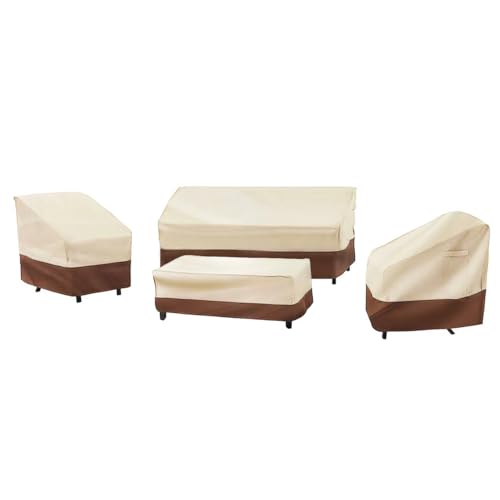
Different furniture types have different cover requirements. A large dining set needs a cover that spans the table and chairs with room for airflow, while a single lounge chair can use a fitted design with elastic hems.
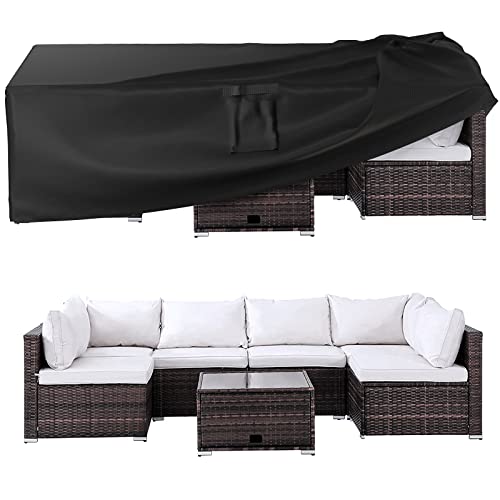
For seating like a patio conversation set, choose a cover that accommodates the full footprint rather than individual pieces, or use separate chair covers for a tighter seal. Tables benefit from covers with reinforced top panels that resist water pooling, especially on flat surfaces where rain can collect. If you are protecting a round table, a round patio table cover with umbrella hole is designed to fit the curve and seal around a central pole.
Cushions and soft furnishings need breathable covers to prevent mold. Look for covers labeled breathable or with vented panels when storing cushions under cover for extended periods.
Common mistake to avoid: Placing a waterproof cover directly over damp furniture. Trapped moisture under a non-breathable cover can cause mildew and rust. Always dry furniture fully before covering, and choose covers with vents so condensation can escape.
Caring for Your Waterproof Cover
A cover is an investment in your furniture, and a little care keeps it effective. Brush off debris and pooled water after storms, clean the cover periodically with mild soap and water, and let it dry fully before reinstalling. Inspect seams and fasteners each season, and store the cover folded and dry during long periods of disuse. For a deeper maintenance routine, see our weatherproofing guide for outdoor furniture covers.
Frequently Asked Questions
What makes an outdoor furniture cover truly waterproof?
A truly waterproof cover uses a tightly woven fabric with a polyurethane or PVC backing, sealed seams, and a water-repellent finish. Look for covers explicitly labeled waterproof rather than water-resistant, since the two terms describe different levels of protection.
How do I choose the right size cover for my patio furniture?
Measure the length, width, and height of your furniture at its widest and tallest points, then add a small allowance for airflow. Choose a cover that fits snugly without being so tight that it traps moisture or stresses seams. Many covers list furniture categories and dimensions to help you match.
Can I leave a waterproof cover on my furniture all year?
You can leave a properly ventilated waterproof cover on year-round in most climates, but check it periodically for trapped moisture, debris, and wear. In humid or snowy regions, ensure the cover has vents and that water cannot pool on top.
Do waterproof covers work on wicker and rattan furniture?
Yes, waterproof covers protect wicker and rattan from rain and UV damage. Because these materials can trap moisture, choose a breathable cover with vents so condensation can escape and the frame stays dry.
Ready to Protect Your Patio Investment?
Browse our curated selection of waterproof outdoor furniture covers below. Each option is chosen for construction quality, fit, and weather resistance so you can compare features and find the right match for your setup.
View Recommended Covers