Outdoor Side Table & Storage Cabinet: The Complete Guide
Everything you need to choose a weatherproof side table and a storage cabinet that keeps cushions, covers, and patio essentials organized, dry, and within reach.
Explore the GuideWhy this guide matters: A side table is the hardest-working piece on any patio — it holds drinks, books, phones, and sunscreen. A storage cabinet quietly protects the cushions and covers that make the whole setup comfortable. Together, they solve the two most common patio problems: where do I put this down? and where do I put this away? This guide walks you through materials, sizes, weatherproofing, and how to pair both pieces with the rest of your outdoor furniture.
Why Side Tables and Storage Cabinets Matter
Outdoor living is only relaxing when the small things are handled. A drink has somewhere to land. A phone doesn't sit on the ground. Cushions stay dry during a surprise rain shower, and covers don't blow across the yard in a storm. That is exactly the job of an outdoor side table and an outdoor storage cabinet.
A side table adds a functional surface next to lounge chairs, porch seating, or a outdoor sectional sofa. It also anchors a small seating zone visually. A storage cabinet, meanwhile, extends the life of everything you own. Weather, UV exposure, pollen, and pests degrade outdoor textiles quickly. A sealed cabinet slows all of that down and keeps your outdoor chair cushions and waterproof furniture covers ready for the next gathering.
Homeowners researching these pieces are usually past the "what is it" stage and into the "which one should I buy" stage. This guide is built for exactly that decision point.
Outdoor Side Tables: What to Look For
Size and Placement
Side tables live in tight spaces, so measurements matter more than almost any other feature. As a rule of thumb, the tabletop should sit level with or slightly lower than the armrest of the chair beside it. That puts drinks and books within easy reach without forcing you to lean awkwardly.
- Between lounge chairs: A top between 16 and 20 inches wide generally fits the gap. Check the actual clearance on both sides before ordering.
- Beside a sofa or sectional: A slightly larger square or rectangular top (20–24 inches) provides room for a tray, a lamp, or a small planter.
- On a balcony or small patio: A round or nesting design with a compact footprint is easier to work around. See our notes on outdoor furniture for small spaces for more layout ideas.
Materials and Weather Resistance
The material decides how long the piece lasts and how much maintenance it needs. Use the tier system below to compare options by durability and upkeep rather than by any figure.
| Material | Tier | Weather Resistance | Best For |
|---|---|---|---|
| Powder-coated aluminum | Mid-range | Rust-resistant, lightweight | Balconies and frequently moved tables |
| High-density polyethylene (HDPE) | Mid-tier | Fully weatherproof, UV-stable | Coastal homes and rainy climates |
| Teak or weather-treated acacia | Premium | Natural rot resistance, needs occasional oiling | Warm, natural looks and long-term use |
| Powder-coated steel | High-end tier | Heavy-duty, rust-proof finish when coated | Windy or exposed patios |
| Resin wicker over a metal frame | Entry-level to mid-range | Good, with sealed frame and UV-resistant weave | Matching existing wicker seating |
| Glass-topped metal frame | Mid-range | Easy to wipe clean; frame does the weatherproofing | Modern patio styles |
If you prefer a classic glass top, our guide to a outdoor side table with a glass top covers cleaning and safety considerations. For a broader look at metal construction, see metal patio furniture. If you want a compact, patio-ready design with a tray surface, the patio side table overview is a good place to start.
Features That Actually Matter
- Lower shelf or drawer: Turns a flat surface into usable storage for sunscreen, reading glasses, or a small speaker.
- Elevated feet: Keeps the base off wet ground and improves air circulation.
- Nesting design: Two or three tables that slide together save space when not in use.
- Weight: Heavier tables resist wind. Lightweight tables are easier to move for cleaning. Choose based on exposure.
- Round vs. square: Round tops soften traffic flow and have no sharp corners; square tops fit tightly against walls.
When the side table has to work overtime, a side table with integrated storage combines a surface and a compartment in one footprint. That is especially useful beside a lounge chair where floor space is limited.
Outdoor Storage Cabinets: Protecting What You Own
An outdoor storage cabinet is the unsung hero of a well-run patio. It keeps cushions, covers, grill tools, and pool towels out of the weather and out of the house. The best cabinets are designed around three priorities: sealing, ventilation, and access.
Sealing and Ventilation
These two goals sound contradictory, but a good cabinet balances them. A gasketed lid blocks rain and dust. Small ventilation slots or vents allow trapped humidity to escape so cushions don't develop mildew. Look for cabinets that raise the contents off the floor with an internal shelf or a slatted base. Avoid fully sealed plastic boxes in humid climates unless you add a moisture absorber.
Capacity and Layout
- Deck boxes: Long, low, and ideal for cushions laid flat. Best along a wall or under a window.
- Vertical cabinets: Taller footprint with shelves; good for towels, tools, and stacked cushions.
- Bench storage: A seat and a compartment in one; useful on porches and entry patios.
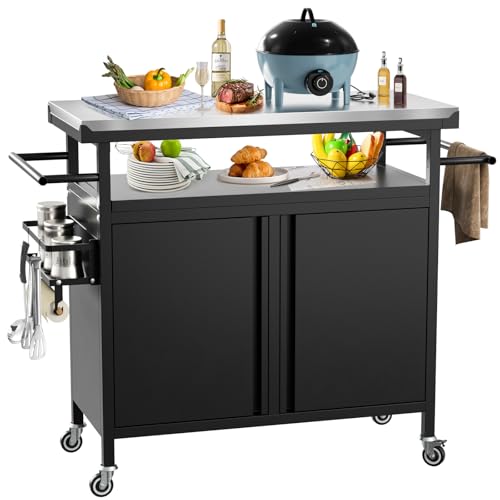
- Multi-purpose units: A patio serving station and storage cabinet doubles as a prep surface for drinks and food.
Measure your largest cushion first. Deep lounge cushions often need a cabinet at least 24 inches deep. If your cushions are bulky, a table cover with an umbrella-hole zipper and a separate sealed bin may be a more flexible combination than one oversized cabinet.
Materials for Cabinets
| Material | Tier | Strengths | Watch For |
|---|---|---|---|
| HDPE / resin | Mid-tier | Fully weatherproof, no rot, easy to clean | Can warp in extreme heat if unsupported |
| Powder-coated steel or aluminum | High-end tier | Heavy-duty, secure, resists wind | Check for chips; touch up coating as needed |
| Cedar or teak | Premium | Natural oils resist rot, attractive grain | Needs periodic sealing or oiling |
| Composite lumber | Mid-range | Low maintenance, looks like wood | Heavier than resin; verify UV rating |
Whichever material you choose, confirm that seams are sealed and that the lid overlaps the body. On exposed patios, a cabinet with a locking hasp also deters wildlife and keeps the contents stable in gusty weather. If security and anchoring matter, see our notes on outdoor furniture that can be bolted down.
Pairing Side Tables and Cabinets with Your Patio
These two pieces should feel like part of the same room, not afterthoughts. A few pairing principles help:
- Repeat materials. If your seating is wicker, a resin-wicker side table keeps the visual language consistent. If you have a rattan coffee table, choose a side table in a matching weave.
- Keep heights aligned. A side table near the arm of a chair should sit at a comfortable reach. A storage cabinet should not block sightlines or walkways.
- Create zones. Use the side table beside seating and the cabinet near the edge of the patio, where it can double as a landing spot for towels and covers.
- Ground the layout. An outdoor rug or patio rug visually ties the side table and seating together, which makes the whole arrangement feel intentional.
If your patio also includes a dining area, a serving station and storage cabinet bridges the gap between cooking, dining, and lounging. For covered spaces, a wrought-iron side table with a glass top adds a traditional accent that pairs well with iron dining sets.
Step-by-Step Buying Checklist
Use this checklist to move from research to a confident decision.
- Measure the space. Record the gap between chairs, the walkway width, and the height of your armrests.
- List what you store. Cushions, covers, tools, or towels. The bulkiest item sets the minimum interior size.
- Check the climate. Coastal, rainy, or snowy conditions push you toward HDPE, aluminum, or sealed composites.
- Confirm weatherproofing details. Gasketed lid, sealed seams, raised base, and UV-resistant finish.
- Match the style. Keep finish and weave consistent with your existing outdoor furniture set or patio conversation set.
- Plan maintenance. Wood needs oiling; metal needs occasional touch-ups; resin needs a rinse. Choose what you will actually do.
- Check access. Hinges, handles, and lid struts should work smoothly with one hand while you hold a cushion in the other.
Quick Tip: Test the Lid
A storage cabinet is only as good as its lid. Before you commit, check that the lid overlaps the body, that the hinge holds open on its own, and that the seal compresses evenly when closed. A lid that flaps or leaks defeats the purpose of the cabinet.
Care and Maintenance
Both pieces reward a little routine care. Wipe side tables weekly during pollen season and after rain. Rinse resin and aluminum with mild soap and water; avoid abrasive pads on coated finishes. Oil teak and acacia once or twice a year, depending on exposure. For cabinets, empty and air them out at the start of each season, check seals for cracks, and tighten hinges and handles. If you store cushions inside, make sure they are completely dry before closing the lid — trapped moisture is the most common cause of mildew. Our weatherproofing guide for outdoor furniture covers covers complementary protection strategies.
Frequently Asked Questions
What material is best for an outdoor side table?
Teak, powder-coated aluminum, high-density polyethylene (HDPE), and weather-treated steel are excellent choices. Teak offers natural rot resistance, aluminum resists rust, and HDPE is fully weatherproof and lightweight. Match the material to your climate and existing furniture.
Can an outdoor storage cabinet stay outside all year?
Yes, if it is built with weather-resistant materials and sealed seams. Look for resin, HDPE, powder-coated metal, or marine-grade wood. A raised base, tight-fitting lid, and UV-resistant finish extend lifespan significantly in harsh climates.
How do I keep cushions dry in a storage cabinet?
Choose a cabinet with a gasketed lid and ventilation slots. Add a moisture absorber or silica packet inside, and ensure cushions are fully dry before storing. Elevate cushions on a small rack so air can circulate beneath them.
What size side table fits between two lounge chairs?
A table with a top between 16 and 20 inches wide usually fits comfortably between standard lounge chairs. Check the gap between chairs, then allow a few inches of clearance on each side for easy access and cup placement.
Ready to Complete Your Patio Setup?
Browse our recommended outdoor side tables and storage cabinets below. Every pick is chosen for weather resistance, practical capacity, and long-term durability.
See Recommended Products