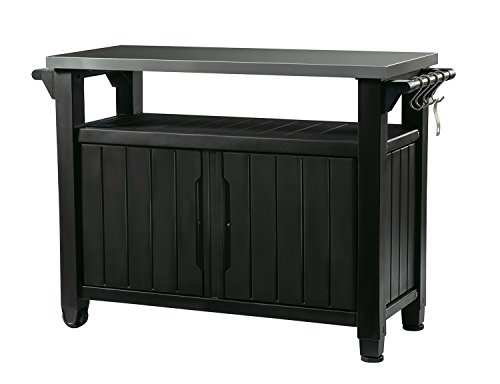
Patio Serving Station & Storage Cabinet: The Complete Buying Guide
Everything you need to know about choosing a weather-resistant, functional serving station that keeps your outdoor entertaining organized and effortless.
Explore the GuideWhy a serving station matters: A well-designed patio serving station eliminates the back-and-forth trips between your kitchen and outdoor seating area. It provides a dedicated surface for food preparation, drink service, and storage of essential entertaining items — all while withstanding the elements. This guide walks you through every consideration, from material selection to spatial planning, so you can choose a piece that serves your household for years to come.
What Is a Patio Serving Station?
A patio serving station is a hybrid outdoor furniture piece that combines a functional countertop with enclosed storage. Unlike a simple side table or bar cart, these units are purpose-built for outdoor entertaining. They typically feature a flat work surface — often stainless steel, sealed stone, or treated wood — along with cabinets, drawers, or open shelving beneath. Many models include built-in bottle openers, towel bars, and locking mechanisms for secure storage.
The concept has gained traction as homeowners treat their outdoor spaces as true extensions of their living areas. A serving station acts as the outdoor equivalent of a kitchen island or sideboard, anchoring the entertainment zone and providing a natural gathering point. If you are building out a complete outdoor entertaining setup, consider pairing a serving station with a bar cart for mobile drink service, or browse side tables with storage for smaller-scale organization.
Types of Patio Serving Stations and Storage Cabinets
Serving stations come in several distinct configurations, each suited to different entertaining styles and spatial constraints. Understanding these categories helps narrow your search before you compare specific models.
Freestanding Serving Cabinets
The most storage-forward option, these cabinet-style units feature enclosed shelving, drawers, and often a prep surface on top. Ideal for homeowners who want to keep glassware, plates, and serving tools on the patio year-round.
Essential to Premium TierBar Cart Serving Stations
Mobile units with wheels that combine a serving tray surface with bottle storage and glass racks. Best for flexible entertaining — roll it to the grill, the dining table, or the fire pit as needed.
Entry to Mid-Range TierBuilt-In or Modular Stations
Permanent or semi-permanent installations that integrate with your patio structure. These often include sinks, built-in coolers, and extensive cabinetry. A long-term investment for dedicated entertainers.
Premium to Luxury TierCompact Storage Benches
Dual-purpose units that provide seating on top and weather-sealed storage below. A smart solution for smaller patios where every square foot must serve multiple functions.
Starter to Essential TierKey Features to Evaluate
Not all serving stations are created equal. The following features separate units that will serve you well for years from those that will deteriorate after a single season.
Countertop Surface
- Stainless steel: Food-safe, easy to sanitize, and resistant to staining. The professional-grade choice for serious outdoor cooks.
- Sealed stone or concrete: Offers a premium look and exceptional durability. Ensure the surface is properly sealed to prevent moisture absorption.
- Treated wood: Teak, cedar, and acacia provide natural warmth. Requires periodic re-sealing to maintain water resistance.
- HDPE or composite: Maintenance-free and highly weather-resistant. A practical choice for coastal or humid climates.
Storage Configuration
Look for cabinets with adjustable shelving, soft-close hinges, and gasketed doors that keep moisture and pests out. Locking storage is valuable if your patio is accessible from public areas. Deep drawers work well for storing linens and serving platters, while open shelves accommodate frequently used items. If you plan to store cushions or larger items, space-conscious outdoor furniture solutions can complement your storage strategy.
Weather Resistance
Every component — from hinges to shelf pins — must be rated for outdoor use. Stainless steel hardware resists rust, while powder-coated aluminum frames resist corrosion. Avoid units with exposed particle board or untreated steel, which will fail quickly in outdoor conditions. For additional protection, pair your station with a waterproof outdoor furniture cover during extended periods of disuse.
Mobility and Placement
If you rearrange your patio for different occasions, locking casters are a valuable feature. Stationary units offer greater stability and typically more storage capacity. Consider how the station will integrate with your existing patio conversation sets or dining arrangements — it should enhance flow rather than obstruct it.
Materials Comparison at a Glance
The table below summarizes how common serving station materials perform across key criteria. Use this as a starting point, then dig deeper into the material that best fits your climate and maintenance preferences.
| Material | Weather Resistance | Maintenance Level | Best For |
|---|---|---|---|
| Powder-Coated Aluminum | Excellent — rust-proof and lightweight | Low — wipe clean as needed | Humid and coastal climates; modern aesthetics |
| Teak / Cedar | Very good — naturally rot-resistant | Moderate — annual sealing recommended | Natural, warm design schemes; covered patios |
| HDPE / Composite | Excellent — impervious to moisture and UV | Very low — soap and water | Low-maintenance households; year-round exposure |
| Stainless Steel (Marine Grade) | Excellent — corrosion-resistant | Low — occasional polish | Professional-grade outdoor kitchens |
| Wicker / Rattan (Synthetic) | Good — UV-stabilized synthetics resist fading | Low to moderate — rinse and dry | Casual, relaxed design aesthetics |
Sizing and Placement Guidelines
Before selecting a serving station, measure your patio and map out traffic flow. A unit that is too large will crowd your space and impede movement; one that is too small will not deliver the storage and surface area you need.
- Clearance: Allow at least 36 inches of walkway space in front of cabinet doors and drawers so they can open fully without obstruction.
- Proximity to seating: Place the station within easy reach of your primary seating or dining area — ideally no more than a few steps away.
- Shade consideration: While outdoor-rated units handle sun exposure, positioning the station under a pergola or near a shaded wall extends its finish life and keeps food cooler.
- Surface height: Standard counter height (around 36 inches) suits standing prep and serving. If your patio seating is bar-height, consider a matching high-top station for visual and functional consistency.
For smaller patios or balconies, a compact storage bench or a slim-profile bar cart may be more appropriate than a full cabinet. Explore outdoor furniture for small spaces to identify complementary pieces that maximize every inch.
Maintenance and Longevity
Even the most durable serving station benefits from a simple care routine. These practices will keep your unit functional and presentable season after season.
- Weekly: Wipe down surfaces with a damp cloth and mild soap. Empty crumbs and spills promptly to prevent staining and pest attraction.
- Monthly: Inspect hinges, locks, and seals. Tighten loose hardware and apply a silicone-based lubricant to moving parts if needed.
- Seasonally: Deep-clean cabinet interiors. For wood units, apply a fresh coat of sealant before winter. Check for signs of rust or corrosion on metal components.
- Off-season: If your climate brings harsh winters, store removable components indoors and cover the unit with a breathable, waterproof cover. Proper weatherproofing practices dramatically extend service life.
Pros and Cons of Adding a Serving Station
Advantages
- Consolidates entertaining essentials in one convenient location
- Reduces trips between indoor kitchen and outdoor seating
- Provides dedicated, organized storage for glassware, linens, and tools
- Creates a natural focal point and gathering hub on the patio
- Protects serving items from wind, rain, and sun when properly enclosed
- Many models double as prep surfaces for outdoor cooking and mixing
Considerations
- Requires dedicated floor space that may not suit compact patios
- Higher-quality weather-resistant units represent a meaningful investment
- Periodic maintenance is necessary to preserve finish and function
- Stationary cabinets limit layout flexibility compared to carts
- Improperly sealed storage can trap moisture and cause odors
Matching Your Serving Station to Your Patio Style
Your serving station should feel like an intentional part of your outdoor design, not an afterthought. Here is how different aesthetics translate to station selection:
- Modern and minimalist: Choose sleek aluminum or stainless steel units with clean lines and concealed storage. Matte finishes in charcoal or white blend seamlessly with contemporary furniture.
- Rustic and farmhouse: Wood-finished cabinets with visible grain, black iron hardware, and open shelving suit this aesthetic. Pair with a cedar picnic table for a cohesive, down-to-earth look.
- Coastal: White or driftwood-toned HDPE units resist salt air and moisture. Look for designs with beadboard detailing or open slat fronts.
- Bohemian: Rattan or wicker-clad serving carts with colorful accents fit eclectic, layered outdoor spaces. Combine with outdoor rugs and textured cushions to complete the look.
If your patio features a high-top dining table with fire pit or a high-top outdoor dining set, consider a serving station that matches the height profile for visual consistency and ease of use.
Ready to Equip Your Outdoor Entertaining Space?
Browse our curated selection of patio serving stations, storage cabinets, and complementary outdoor furniture to bring your backyard hosting vision to life.
View Recommended ProductsFrequently Asked Questions
Final Checklist Before You Choose
- Measure your patio space and confirm clearance for door swings and walkways
- Decide between stationary storage (more capacity) and mobile serving (more flexibility)
- Select a material that matches your climate and maintenance willingness
- Verify that all hardware and internal components are rated for outdoor use
- Consider whether you need locking storage for security
- Plan how the station will integrate with your existing seating and dining layout
- Account for a protective cover as part of your overall setup