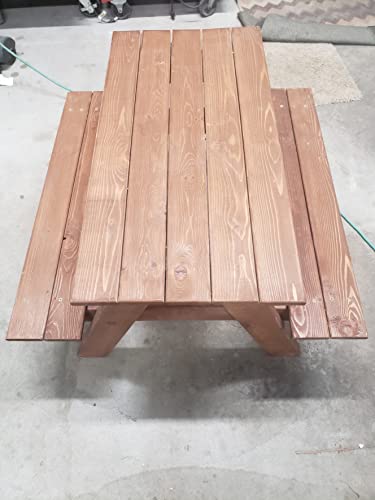
Cedar Picnic Table: The Complete Buying Guide
Everything you need to know before choosing a cedar picnic table — from wood grade and construction to finish options and long-term care. Research-backed guidance for backyard gatherings, family cookouts, and everyday outdoor dining.
Start Your ResearchWhy this guide matters: A cedar picnic table is a long-term backyard investment. Cedar is naturally rot-resistant, lightweight, and beautiful — but grain quality, joinery, and finish choices vary widely between tables. This guide breaks down exactly what to compare so you buy a table that lasts for seasons of family meals and cookouts.
What Makes a Cedar Picnic Table Different?
A cedar picnic table is built from cedar wood — typically Western Red Cedar or Eastern Aromatic Cedar — known for natural oils that resist rot, insects, and moisture. Unlike pressure-treated pine or composite tables, cedar ages gracefully and develops a silver-gray patina when left untreated outdoors.
Cedar is lighter than teak or oak, making it easier to move when needed. It is also softer than dense hardwoods, which means it may show dents over time but is generally easier to work with and repair. The natural oils make cedar a strong choice for outdoor use without chemical treatments.
For buyers exploring other outdoor wood options, our wood furniture care guide and natural wood tones guide provide useful context on finishes and maintenance. If you're furnishing a larger outdoor dining area, compare with our picnic tables overview and rectangular patio dining sets guide.
Key Buying Factors to Evaluate
1. Wood Grade and Grain
Cedar quality varies significantly between grades. Look for:
- Clear or select grade: Fewer knots and a smoother finish. Ideal for a polished look.
- Knotty grade: More knots and character, often more durable in outdoor conditions since knots add density.
- Western Red Cedar: Naturally rot-resistant and lightweight — the standard for quality outdoor cedar furniture.
- Eastern Aromatic Cedar: Distinctive scent and reddish tone, slightly denser but less common in large tables.
Higher-grade cedar with tight, straight grain holds up better over time. Check for cracks, checks, or sapwood edges that may indicate lower-grade wood.
2. Construction and Joinery
Joinery determines how stable and durable the table is. Prioritize:
- Mortise-and-tenon or through-bolted joints for strength
- Galvanized or stainless steel hardware to resist rust
- Cross-bracing under the table for racking resistance
- Attached benches with sturdy legs and no wobble
A heavier, well-braced table feels solid but is still moveable — a good balance for a cedar picnic table. Compare your options with related pieces from our picnic tables guide.
3. Finish Options
Cedar performs well untreated, but finish choices affect color and longevity:
- Untreated: Ages to a natural silver-gray. Zero maintenance but the color changes over time.
- Oil finish: Preserves the warm cedar tone but requires reapplication every season or two.
- Stain or sealer: Adds color and protection. Reapply as needed based on exposure.
- UV-protective finish: Slows color fading in sunny climates.
Learn more in our weatherproofing guide and UV protection tips. For broader care routines, see our wood furniture care guide.
4. Size and Seating Capacity
Cedar picnic tables come in several standard sizes:
- 4-foot: Seats 4 to 6 people. Ideal for small patios and family use.
- 6-foot: The most popular size, seating 6 to 8 people. Good for regular entertaining.
- 8-foot: Seats 8 to 10 people. Best for larger yards and events.
Measure your space and leave at least 2 to 3 feet of clearance around the table for seating and walking. For larger setups, compare with patio table and chairs for 10 or round outdoor dining table set for 8.
5. Umbrella and Shade Compatibility
Some cedar picnic tables include a center umbrella hole, which lets you add shade during long summer meals. Before buying:
- Confirm the umbrella hole diameter (typically 1.5 to 2 inches)
- Check that the table can support a weighted umbrella base
- Plan for a stand-alone base if the table lacks a built-in anchor
See our umbrella hole guide and outdoor table with 2 inch umbrella hole overview. For shade options, browse outdoor umbrellas and umbrellas.
6. Maintenance and Care
Cedar is naturally low-maintenance, but a few habits keep it beautiful longer:
- Clean with mild soap and water; avoid harsh chemicals
- Reapply oil or stain every season or two if you want to preserve color
- Cover the table during off-seasons — see patio furniture covers
- Touch up rough spots with light sanding before refinishing
Store cushions and small accessories in a waterproof storage container or an outdoor storage solution. For long-term furniture preservation, see weatherproof outdoor storage cabinet.
Understanding Cedar Picnic Table Quality Tiers
Rather than shopping by numerical figures, evaluate cedar picnic tables by their construction tier and intended use. This classification is used consistently throughout PatioFocus guides.
Essential Cedar Tables
Knotty cedar with simpler joinery and standard hardware. Best for covered patios or seasonal use. Expect visible knots and simpler bracing — a solid choice for the tier when the table sees light use and occasional weathering.
Balanced Cedar Tables
Higher-grade cedar with reinforced joints, cross-bracing, and galvanized or stainless hardware. A good fit for year-round patios and regular family use. These tables feel more stable and hold up well through seasonal weather changes.
Premium Cedar Tables
Select-grade Western Red Cedar with mortise-and-tenon or through-bolted joinery, thick legs, and premium stainless hardware. Designed for full-year exposure and heavy use. A long-term investment in backyard dining.
Cedar Picnic Table Wood Comparison
| Wood Type | Best For | Maintenance Level | Durability Notes |
|---|---|---|---|
| Western Red Cedar | Backyard and family use | Low to moderate | Naturally rot-resistant; light and easy to move |
| Eastern Aromatic Cedar | Distinctive scent and character | Moderate | Denser than Western Red; smaller-scale projects |
| Untreated cedar | Natural silver-gray aesthetic | Very low | Ages gracefully; no finish required |
| Oil-finished cedar | Preserving warm cedar color | Moderate (annual oiling) | Adds moisture protection; color stays closer to original |
| Stained or sealed cedar | Colored or uniform appearance | Moderate (reapply periodically) | Longer finish life; confirm UV rating |
Matching the Cedar Table to Your Space
Backyard family dining: A 6-foot cedar picnic table is a classic choice for family dinners and cookouts. Pair it with outdoor string lights for evening meals and throw pillows for bench cushions.
Grill and BBQ stations: Position the table near your grills and smokers as a serving and prep surface. Add a side table for tools and sauces.
Covered porches and shaded patios: Cedar ages beautifully under a roof. Add outdoor throw pillows for comfort and a outdoor rug to anchor the space.
Small yards and patios: Choose a 4-foot table for tight spaces, and pair it with space-saving furniture strategies. Compare with small outdoor table and chairs for 6 for related options.
Rustic and cottage patios: The natural warmth of cedar pairs well with a bohemian patio aesthetic and with natural accents like outdoor planters and fountains.
Pre-Purchase Checklist
- Confirm the cedar grade — clear/select or knotty — matches your aesthetic and durability goals.
- Inspect joinery: mortise-and-tenon or through-bolted is preferable.
- Verify hardware is galvanized or stainless steel.
- Check the table size fits your space and expected seating capacity.
- Confirm whether the table includes an umbrella hole if shade is needed.
- Decide on finish: untreated, oil, or stain based on color preference.
- Plan your maintenance routine for re-oiling or re-staining.
- Review assembly requirements via our delivery and assembly guide.
Researching Brands and Retailers
Cedar quality varies widely between brands. Our brand comparison guide and patio furniture brands overview help you weigh reputation against specification. Buyers who prefer to inspect tables in person should review online retailer reviews and local store options before deciding.
If sustainability is a priority, the sustainable outdoor furniture guide covers FSC-certified cedar and low-impact manufacturing. For full patio planning, browse our patio essentials checklist.
Frequently Asked Questions
Is cedar a good wood for a picnic table?
Yes. Cedar is naturally resistant to rot, insects, and moisture, and it ages gracefully to a silver patina if left untreated. It is lighter than teak or oak and easier to move, making it a strong choice for backyard picnic tables.
How long does a cedar picnic table last?
A well-built cedar picnic table can last many years outdoors, especially with a protective finish and periodic maintenance. Untreated cedar develops a natural silver finish and can last decades, though it may require refinishing over time.
Should I seal or stain a cedar picnic table?
Sealing or staining extends the table's life and preserves its original color, but cedar also performs well untreated. Choose a weather-resistant finish if you want to maintain the wood's natural tone; leave it untreated if you prefer the silvered, rustic look.
How do I maintain a cedar picnic table?
Clean the table with mild soap and water, and lightly sand any rough areas before reapplying finish. Cover the table during off-seasons to protect it from harsh weather, and inspect hardware and joints seasonally.
Does a cedar picnic table need cushions?
Cushions are optional but improve comfort for long sitting sessions. Add patio furniture seat cushions or seat cushions set of 2 for bench seating. For full replacement cushion options, see replacement cushions for outdoor furniture.