Why a Patio Side Table Matters More Than You Think
A patio side table is one of the most underrated pieces in an outdoor furniture arrangement. It is the surface that holds your morning coffee, your book, a small lantern, or a planter of herbs. Without one, every seat in your outdoor space becomes a balancing act. With the right one, your seating area immediately feels intentional, comfortable, and complete.
Side tables also solve a layout problem. Large coffee tables can crowd a small deck or balcony, while side tables slot into tight corners and between chairs without blocking walkways. They are the flexible accent that lets you add function without adding visual weight. For anyone furnishing a compact patio, they are often the smartest first purchase.
If you are building out a full seating zone, pair your side table with a patio conversation set or a rattan coffee table to create a balanced arrangement that works for both quiet mornings and evening gatherings.
Types of Patio Side Tables
Side tables come in several configurations, and the right one depends on how you use your outdoor space and what furniture you already own.
Standard Accent Side Tables
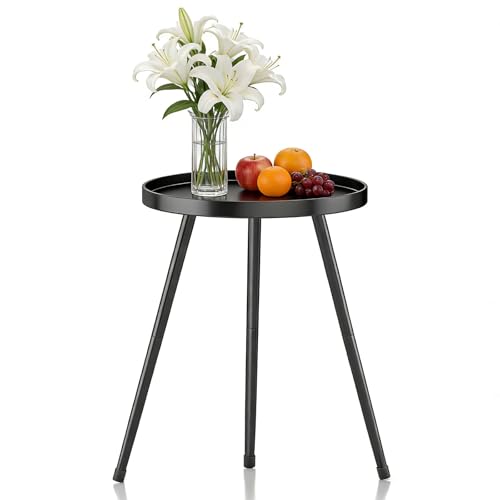
The classic design: a small tabletop with three or four legs, usually 16 to 24 inches across. These suit lounge chairs, sofas, and sectional corners. A glass-topped version, such as an outdoor side table with glass top, adds a light, modern look that reflects natural light beautifully.
Side Tables with Storage
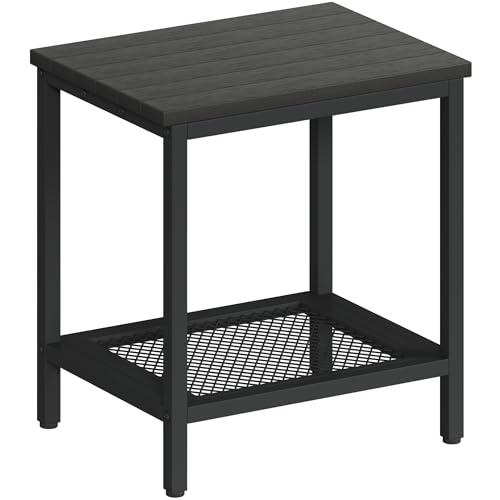
These combine a tabletop with a cabinet, shelf, or drawer underneath. They are ideal for storing cushions, candles, or grill tools out of the weather. A combined outdoor side table and storage cabinet is especially useful on decks where storage space is limited.
Nesting and Folding Tables
Nesting tables tuck together when not in use, making them a strong pick for balconies and small patios. Folding designs store flat in a shed during the off-season. Both are excellent choices for renters or anyone who reconfigures their outdoor space frequently.
Chat and Drum Tables
Cylindrical drum tables and low chat tables work well between deep lounge chairs or around a fire pit. They offer a larger surface than a standard accent table while keeping a compact footprint.
Material Comparison: Which Build Suits Your Climate?
Material choice is the single biggest factor in how long your side table lasts and how much maintenance it demands. The table below compares the most common options by tier and best use, without reference to any pricing.
| Material | Market Tier | Best For | Maintenance |
|---|---|---|---|
| Powder-coated aluminum | Mid-range | Humid, coastal, and rainy climates | Low — wipe clean |
| High-grade steel with rust-proof finish | Mid-tier to premium | Windy decks and high-traffic patios | Low to moderate |
| Teak and acacia hardwood | Premium | Traditional, rustic, and natural settings | Moderate — periodic oiling |
| HDPE and resin | Entry-level to mid-range | Family patios and full-sun exposure | Very low |
| Wrought iron | Mid-tier | Classic and cottage-style layouts | Moderate — touch-up coating |
| Tempered glass top with metal base | Mid-range | Modern and minimalist decks | Low — streak-free cleaner |
If your patio sits near the coast, salt air accelerates corrosion, so aluminum or resin is the safer route. In dry, sunny regions, UV stability matters more than rust resistance. For a broader look at matching a table to an existing frame, our guide to metal patio furniture explains how finishes age and how to keep them consistent across pieces.
Quick tip: Check the hardware, not just the frame. Stainless steel bolts and welded joints are the difference between a table that lasts several seasons and one that loosens after a single summer.
Sizing and Placement: Getting the Proportions Right
A side table should feel like a natural extension of the chair beside it, not a separate object. Use these guidelines when measuring your space.
- Height: The tabletop should sit level with or slightly below the chair armrest — typically 18 to 24 inches for lounge seating and 28 to 32 inches for high-top arrangements.
- Width: 16 to 24 inches is the sweet spot for most chairs. Go smaller (14 to 16 inches) in tight corners.
- Clearance: Leave at least 18 inches of walking space between the table edge and any railing or wall.
- Pairing: For taller seating, look at counter-height pieces such as a counter-height patio table to keep sightlines consistent.
On a compact balcony, a single side table between two chairs often works better than a central coffee table. Our guide to outdoor furniture for small spaces walks through several layouts that use side tables as the anchor piece.
Key Buying Criteria
When comparing options, evaluate each side table against these five factors. They separate a piece that lasts from one that disappoints after a season.
1. Frame Construction
Look for welded joints rather than screwed-on legs, and check that the table does not wobble when you press a corner. A solid build with reinforced bracing is the foundation of stability on uneven patio surfaces.
2. Surface Finish
A weather-resistant coating protects against UV fading and moisture. Powder coating is more durable than paint, and a rust-proof finish is essential for any metal frame that stays outside year-round.
3. Weight and Portability
Heavy tables stay put in wind but are hard to move for cleaning. Lightweight tables are easy to reposition but may need to be secured or stored during storms. Match the weight to your climate and how often you rearrange.
4. Top Material
Glass is easy to clean but can chip. Wood warms up a space but needs sealing. Resin and HDPE are the most forgiving. Consider what sits on the table most often — a hot mug, a wet glass, a potted plant — and choose accordingly.
5. Tier and Longevity
Entry-level tables are a sensible starting point for renters or seasonal setups. Mid-range models usually offer better hardware and finishes. Premium and luxury tiers are worthwhile investments when the table will anchor a permanent outdoor room.
Pre-Purchase Checklist
- Measure the height of your chair armrests
- Confirm the table fits your walkway clearance
- Check the frame material against your climate
- Verify that hardware is rust-resistant
- Decide whether you need storage underneath
- Plan a cover or indoor storage for winter
Styling Your Outdoor Space Around a Side Table
A side table is a small canvas. A few well-chosen objects turn it from a utility surface into a design statement.
- Layer heights: A short candle, a medium planter, and a tall lantern create visual rhythm.
- Anchor with a rug: An outdoor rug under the seating group defines the zone and makes the table feel deliberate.
- Add soft light: A small battery lantern or a string of fairy lights on the table edge extends evening use.
- Keep it functional: A tray corrals small items and makes the table easy to clear before a party.
If your seating area includes a sectional, a side table at each end balances the composition. For ideas on arranging a larger group, see our guide to outdoor sectional sofas and how to place accent pieces around them.
Matching Your Existing Furniture
Side tables do not need to match your main set exactly. A contrasting material — a wood table beside a metal frame, or a glass top beside wicker — can add depth. What matters is that the scale and finish feel related. If you already own a wrought iron side table with glass top, for example, a second metal piece in a different finish can still read as a cohesive pair.
Care and Weatherproofing
Side tables take more abuse than larger furniture because they sit at the edge of the seating area, exposed to splashes, sun, and wind-driven rain. A simple routine keeps them looking new.
- Weekly: Wipe down the top with a damp cloth and mild soap to remove pollen and dust.
- Monthly: Check screws and joints; tighten anything that has loosened.
- Seasonally: Apply a wood sealer to hardwood tables, or touch up powder coating on metal frames.
- Before storms: Move lightweight tables indoors or secure them; a waterproof outdoor furniture cover protects heavier pieces.
For a full maintenance schedule across all your outdoor pieces, our weatherproofing guide covers covers, sealants, and winter storage in detail.
Storage note: Even weather-resistant tables last longer when stored under cover during freezing months. Glass tops in particular should never be left to freeze and thaw repeatedly.
Frequently Asked Questions
What is the ideal height for a patio side table?
A patio side table should sit level with or slightly below the armrest of the chair it serves. For most lounge chairs this means a height between 18 and 24 inches, while chairs paired with high-top dining sets call for taller accent tables in the 28 to 32 inch range.
Which material is best for a patio side table?
The best material depends on your climate and maintenance preference. Powder-coated aluminum and high-grade steel resist rust and need little upkeep, teak and acacia offer natural warmth with periodic oiling, and HDPE or resin designs deliver all-weather durability with minimal care.
Can a patio side table stay outside all year?
Many side tables are built for full-time outdoor exposure, but longevity depends on the finish. Look for rust-proof hardware, UV-stable coatings, and drainage-friendly tops. In freezing climates, bringing lightweight tables indoors during winter extends their service life considerably.
How large should a patio side table be?
Most side tables measure between 16 and 24 inches across, which comfortably holds a drink, a book, and a small planter. On compact balconies or tight conversation sets, a 14 to 16 inch footprint keeps walkways clear without sacrificing utility.
Final Thoughts
The right patio side table is the piece that makes your outdoor seating feel finished. Prioritize a stable frame, a finish suited to your climate, and a size that fits your walkway clearance. From there, the style choice is yours — glass for a modern deck, teak for a natural setting, resin for a family-friendly patio.
Once your side table is in place, consider completing the arrangement with a patio serving station and storage cabinet for entertaining, or a hanging chair for a relaxed reading corner. Browse our related guides below to keep building your outdoor space with confidence.