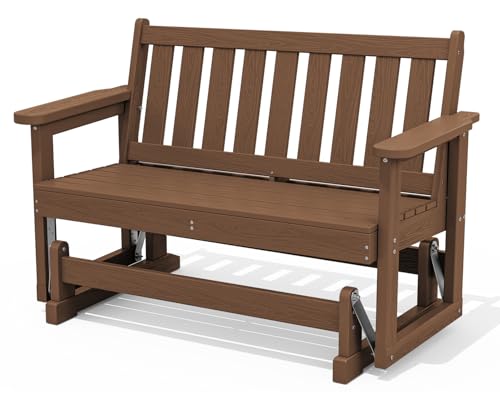
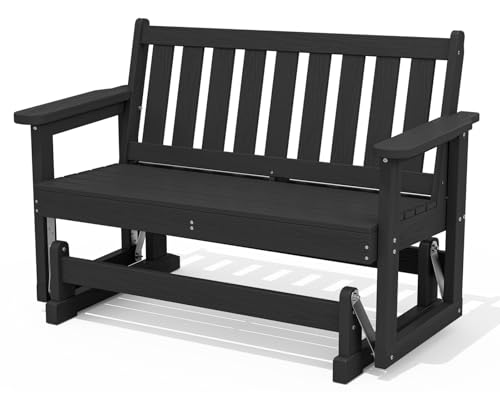
Outdoor Rocking Bench: The Complete Buying Guide
Everything you need to know about choosing a patio or porch rocking bench — materials, comfort, durability, and design.
Explore Recommended ModelsWhy an outdoor rocking bench? Few pieces of outdoor furniture blend relaxation and functionality as naturally as a rocking bench. Whether placed on a front porch, a garden deck, or beside a patio, it invites you to sit back, sway gently, and enjoy the fresh air. This guide walks you through the key factors — from frame materials and slat design to cushion options and weather resistance — so you can select a model that suits your space and lifestyle with confidence.
What to Look for in an Outdoor Rocking Bench
Before browsing models, it helps to understand the core attributes that separate a satisfactory bench from an exceptional one. The following four dimensions matter most:
Frame Material & Construction
The frame determines durability, weight, and maintenance needs. Wood offers classic warmth but requires occasional sealing. Powder-coated steel or aluminum resists rust and suits modern settings. High-density polyethylene (HDPE) delivers all-weather resilience with a wood-like appearance. Look for reinforced joints and a solid build — especially at the rocker assembly, where stress concentrates.
Seat Comfort & Ergonomics
Contoured seats and gently curved backrests support longer sitting sessions. Slat spacing affects both comfort and drainage — narrower gaps feel smoother, while wider gaps dry faster after rain. If you plan to add cushions, confirm the seat depth and width accommodate standard sizes. A well-proportioned bench should let your feet rest flat while your back stays supported.
Rocking Mechanism & Stability
The rocker rails should be wide, smoothly finished, and firmly attached. A longer rail arc produces a gentler, more controlled motion; a shorter arc feels livelier. Check that the bench has a low center of gravity and nonslip feet or pads to protect your deck and prevent unwanted sliding. Stability matters especially on uneven surfaces.
Weather Resistance & Care
Outdoor benches face sun, rain, and temperature swings. UV-stabilized resin, rust-proof finishes, and marine-grade hardware extend service life. Wood models benefit from a weather-resistant coating and periodic re-sealing. Removable, quick-drying cushions simplify maintenance. A bench that drains well and resists fading will look better for longer with minimal effort.
Material Comparison at a Glance
Use this table to compare common frame materials across the attributes that matter most for outdoor use. Tier labels reflect relative market positioning, not absolute numbers.
| Material | Market Tier | Best For | Weather Resistance | Maintenance |
|---|---|---|---|---|
| HDPE / Poly Lumber | Mid-Range | Year-round outdoor exposure; low-maintenance households | Excellent — UV-stable, moisture-proof | Minimal — soap and water |
| Powder-Coated Steel | Mid-Range | Modern patios; strong, stable seating | Good — rust-resistant if finish intact | Low — inspect for chips |
| Aluminum | Premium | Lightweight portability; coastal climates | Excellent — naturally rust-proof | Low — wipe clean |
| Teak / Hardwood | Premium | Classic porches; natural aesthetics | Very good — naturally oils; needs sealing | Moderate — annual sealing recommended |
| Resin / Plastic | Entry-Level | Occasional use; balconies and small spaces | Fair to good — depends on UV stabilizers | Minimal — but may fade over time |
Sizing and Placement Tips
Measure Your Space First
A typical two-seat rocking bench spans roughly 48 to 60 inches in width, with a depth of 28 to 36 inches. Add at least 18 inches of clearance behind the rocker arc so the bench can sway without hitting a wall or railing. On a narrow porch, a single-seat outdoor rocker may fit better than a full bench.
Match the Setting
A wooden bench with a slatted back suits a rustic porch or cottage garden. A sleek metal frame pairs well with a contemporary patio. For a cohesive look, coordinate with nearby outdoor rocking chairs or a matching porch bench arrangement. If you entertain often, consider a rocker glider for smoother multi-person motion.
Cushions and Comfort Add-Ons
Many benches accept a bench-length cushion or two individual seat pads. Look for quick-dry foam and solution-dyed fabric for fade resistance. A small outdoor pouf or side table completes the setup. If you prefer a chair-style seat, explore rocking chair cushion sets for a coordinated look.
Safety and Surface Protection
Place the bench on a level surface. Use rubber pads under the rocker rails to protect wood decking and improve grip. Avoid positioning near steep drops or unfenced pool edges. On windy sites, choose a heavier frame or anchor points. For poolside relaxation, a poolside seating arrangement with a rocking bench creates a comfortable transition zone.
Understanding Quality Tiers
Outdoor rocking benches fall into broad tiers based on materials, joinery, and finish. These descriptors help you compare models without focusing on transient market figures.
Entry-Level
Typically resin or thin-gauge metal frames with basic slat seats. Suitable for light, occasional use on covered porches or balconies. Expect simpler hardware and shorter rocker rails. A reasonable starting point if you are testing how often you will use a rocking bench.
Mid-Range
Powder-coated steel or HDPE construction with smoother rocker action and more refined contours. Often includes stainless or coated hardware and better drainage. This tier delivers a solid balance of durability and comfort for regular seasonal use.
Premium
Aluminum or hardwood frames with precision joinery, long gentle rocker arcs, and weather-resistant finishes. Often designed for year-round exposure. Cushion-ready dimensions and thoughtful ergonomics make this tier a long-term investment for dedicated outdoor living spaces.
Quick Buying Checklist
- Measure porch or patio depth — allow 18 inches behind the rocker arc.
- Confirm the frame material suits your climate (coastal → aluminum; sunny → UV-stable HDPE; classic → sealed hardwood).
- Test the rocker motion if possible — look for a smooth, quiet glide.
- Check weight capacity and seat dimensions against your household needs.
- Decide on cushion compatibility — bench-length pad vs. individual seat cushions.
- Verify hardware is rust-resistant and feet include protective pads.
- Review assembly requirements — some models ship partially assembled.
- Plan seasonal care — sealing for wood, rinsing for resin and metal.
Frequently Asked Questions
How do I protect a rocking bench from rain and sun?
Choose a model with weather-resistant materials such as HDPE, powder-coated aluminum, or sealed hardwood. During extended wet or snowy periods, a fitted cover helps. Position the bench where it drains freely and avoid standing water around the rocker rails.
Can I use standard patio cushions on a rocking bench?
Many benches accept a bench-length cushion, while others are sized for two individual seat pads. Measure the seat width and depth before ordering. Quick-dry foam and solution-dyed acrylic fabrics are best for outdoor exposure. If you prefer a chair-style setup, individual rocking chair cushions may fit better.
Is a rocking bench safe on a wooden deck?
Yes, provided the deck is level and the bench has protective pads under the rocker rails. Avoid placing the bench near the deck edge. A heavier frame with a low center of gravity improves stability, especially in windy locations.
What is the difference between a rocking bench and a glider?
A rocking bench moves on curved rails, producing a back-and-forth sway. A glider uses a sliding mechanism for a smoother, more linear motion. Both offer relaxing movement; the choice comes down to personal preference and available space. Explore rocker gliders if you prefer a gentler glide.
Ready to find the right outdoor rocking bench for your porch, patio, or garden? Browse our recommended models below and compare features side by side.
View Recommended BenchesRelated Outdoor Seating Guides
Explore these complementary resources to build a cohesive outdoor seating plan:
- Outdoor Rocking Chair Guide — single-seat alternative for smaller spaces
- Outdoor Rocking Chairs Collection — compare styles and materials
- Porch Bench Ideas — stationary seating for entryways
- Patio Swing Guide — hanging relaxation options
- Outdoor Rocker Overview — motion furniture fundamentals
- Rocking Chair Set with Table — coordinated seating groups