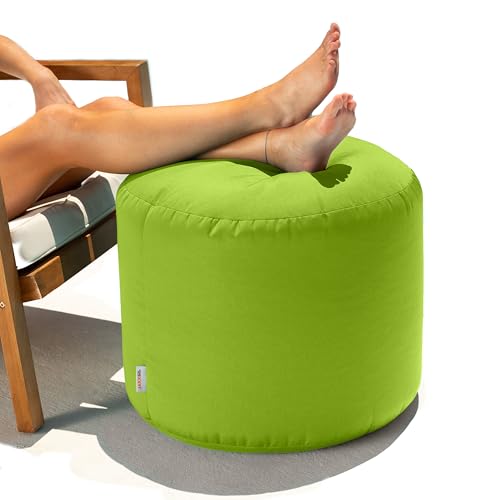
Outdoor Poufs: The Complete Buying Guide
Everything you need to know about choosing weather-resistant, stylish, and comfortable poufs for your patio, deck, or backyard oasis — from materials and sizes to styling ideas.
Why outdoor poufs deserve a place on your patio: They are versatile, portable, and surprisingly functional. Use them as footrests, extra seating for impromptu gatherings, side tables for drinks, or decorative accents that soften hard patio surfaces. This guide walks you through every consideration — materials, fill types, sizes, maintenance, and styling — so you can choose with confidence.
What Exactly Is an Outdoor Pouf?
A pouf is a soft, upholstered seat or footstool without a rigid frame. Unlike traditional ottomans, poufs are typically filled with lightweight materials — polystyrene beads, shredded foam, or polyester fiber — giving them a relaxed, organic shape. Outdoor poufs are specifically engineered to resist moisture, UV radiation, and temperature fluctuations, making them suitable for patios, decks, poolside areas, and balconies.
The key difference between indoor and outdoor poufs lies in three areas: the cover fabric (must be weather-resistant), the fill material (must resist mold and mildew), and the construction (seams and zippers must tolerate outdoor conditions). Understanding these differences is the foundation of smart buying.
Why Add Outdoor Poufs to Your Patio?
Beyond practicality, poufs bring a layer of softness and texture that hard patio surfaces lack. They bridge the gap between functional furniture and decorative accent, making outdoor spaces feel more like an extension of your living room. When paired with a well-planned outdoor patio layout, poufs add visual interest and conversational charm.
Types of Outdoor Poufs by Construction
1. Bean-Filled Poufs
Filled with expanded polystyrene beads, these poufs conform to your body shape and are exceptionally lightweight. They are the most common type and offer a casual, relaxed aesthetic. Look for bead fills labeled as moisture-resistant and UV-stabilized. A storage solution for your patio cushions and poufs helps extend their lifespan during rainy seasons.
2. Foam-Filled Poufs
High-density foam or shredded polyurethane foam provides firmer support than bead fill. These poufs hold their shape better over time and are ideal if you plan to use them as occasional seating rather than just footrests. Quick-dry foam variants are specifically designed for outdoor use and resist mold growth.
3. Inflatable Poufs
A practical option for temporary use, travel, or small balconies where storage is limited. Inflatable poufs deflate flat when not in use. They are typically entry-level in construction and best suited for occasional, light-duty use.
4. Frame-Supported Poufs
These feature an internal lightweight frame (often powder-coated aluminum or weather-resistant plastic) wrapped in outdoor fabric. They offer more structure and a defined seating height, making them easier to get on and off. Frame-supported poufs sit at the premium and luxury end of the market and are ideal for households that want the look of a pouf with the support of an ottoman.
Outdoor Pouf Materials: What to Look For
The cover fabric is the single most important factor in determining how well your pouf will age outdoors. Here is a breakdown of the most common materials:
| Material | Weather Resistance | Comfort & Feel | Best For |
|---|---|---|---|
| Solution-Dyed Acrylic | Excellent — UV, water, and fade resistant | Soft, fabric-like | Premium and luxury outdoor poufs; full-sun exposure |
| Marine-Grade Vinyl | Excellent — waterproof and wipe-clean | Smooth, leather-like | Poolside and coastal patios; high-moisture environments |
| Polyester with UV Coating | Good — resists fading and light rain | Soft, slightly textured | Mid-range poufs; covered patios and porches |
| Olefin / Polypropylene | Good — moisture-resistant, quick-drying | Textured, durable | Entry-level and mid-tier poufs; everyday outdoor use |
| Recycled PET Fabric | Moderate to good — varies by coating | Soft, eco-friendly feel | Sustainable-minded buyers; covered outdoor areas |
Buying Tip: Check the Fill, Not Just the Cover
The cover gets all the attention, but the fill determines comfort, shape retention, and mold resistance. Look for poufs with removable, washable covers and fill materials explicitly labeled as "quick-dry," "mold-resistant," or "outdoor-grade." A good outdoor patio furniture collection balances cover quality with fill durability.
Quality Tiers: Finding the Right Pouf for Your Needs
Outdoor poufs span a wide range of construction quality. Use these universal tier descriptors to match your expectations with what the market offers:
Essential Tier
Basic polyester or olefin covers with bead fill. Suitable for occasional use on covered porches. Best for renters or those testing whether poufs fit their lifestyle. Expect to bring them indoors during heavy rain.
Balanced Tier
Better fabric construction with UV stabilization and denser fill. Often feature removable, washable covers. A solid choice for regular outdoor use in moderate climates. Good value for its tier.
Top-Tier
Solution-dyed acrylic or marine-grade vinyl covers, quick-dry foam fill, reinforced seams, and hidden zippers. Designed for full sun and frequent use. A long-term investment for serious outdoor living.
Sizing Your Outdoor Pouf: A Practical Guide
Pouf size affects both comfort and spatial flow. Here is a general framework:
- Small (14–18 inches / 35–45 cm): Best as footrests or decorative accents. Great for pairing with outdoor reading chairs or as children's seating.
- Medium (18–24 inches / 45–60 cm): The most versatile size. Works as occasional seating for adults, a footrest, or a casual side table when topped with a tray.
- Large (24–30+ inches / 60–76+ cm): Functions as a proper seat or ottoman. Ideal for outdoor sectional sofas where you need a chaise extension or a central coffee-table alternative.
When choosing a size, consider the seat height of your existing furniture. A pouf used as a footrest should sit 1–3 inches lower than your chair seat for comfortable leg support. For use as extra seating, a pouf height of 16–18 inches works for most adults.
Styling Outdoor Poufs: Design Ideas That Work
Poufs are among the most design-flexible pieces you can add to an outdoor space. Here are practical styling approaches:
Pair with a Sectional or Sofa
Place two medium poufs in front of an outdoor sectional couch to create a layered, lounge-like arrangement. Choose a contrasting color or texture to add visual depth.
Create a Conversation Circle
Use three to four poufs around a low outdoor round coffee table or fire pit for a casual, floor-level seating area. This works especially well on small patios where traditional chairs would overwhelm the space.
Define a Reading Nook
Position a single large pouf near an outdoor recliner chair or in a shaded corner with a side table and a lantern. The pouf becomes a footrest and a visual anchor.
Mix Textures and Patterns
Outdoor poufs come in woven, knitted, printed, and solid finishes. Mixing a woven pouf with a smooth vinyl one, or pairing a bold stripe with a neutral solid, adds personality without clutter. Coordinate with your outdoor rugs for a cohesive look.
Caring for Your Outdoor Pouf: Maintenance Essentials
Proper care extends the life of any outdoor textile. Follow these guidelines:
- Regular cleaning: Vacuum or brush off loose dirt weekly. Spot-clean stains promptly with mild soap and water.
- Deep cleaning: Remove the cover if possible and machine-wash on a gentle cycle with cold water. Air-dry completely before replacing.
- Rain and humidity: Bring poufs inside or under cover during prolonged rain. Quick-dry fill resists moisture, but the cover can still harbor dampness if left exposed.
- Winter storage: Store poufs in a dry, ventilated area during off-season months. A patio storage cabinet with shelves provides a convenient home for poufs and cushions.
- UV protection: Rotate poufs periodically to ensure even sun exposure and prevent uneven fading.
Common Buying Mistakes to Avoid
- Ignoring the fill material: A beautiful cover over standard foam will trap moisture and develop mildew. Always verify outdoor-grade fill.
- Choosing based on looks alone: A decorative pouf that cannot handle sun or rain will look tired within one season. Prioritize material performance.
- Buying too small: Many first-time buyers choose a pouf that is too small to be useful as seating. Measure your space and intended use before deciding.
- Overlooking seam quality: Double-stitched seams and reinforced zippers are hallmarks of durable outdoor construction. Inspect the details.
- Skipping a cover or storage plan: Even premium poufs benefit from protection during extreme weather. Plan for storage from the start.
Frequently Asked Questions About Outdoor Poufs
Outdoor poufs are made with weather-resistant materials such as solution-dyed acrylic fabrics, marine-grade vinyl, or high-density polyethylene. They feature moisture-resistant fill, UV-resistant coatings, and often quick-dry foam to withstand sun, rain, and humidity. The seams and zippers are also designed to handle outdoor conditions.
It depends on the material and your climate. Premium outdoor poufs with solution-dyed acrylic covers and quick-dry foam can stay outside in most climates, though bringing them inside during extreme weather extends their lifespan. Entry-level and mid-range poufs benefit from storage during off-season months.
Most outdoor pouf covers can be spot-cleaned with mild soap and water. Removable covers are often machine-washable on a gentle cycle. For stubborn stains, use a soft brush and a fabric-specific cleaner. Always air-dry thoroughly before replacing the fill. Avoid harsh chemicals that can degrade UV-resistant coatings.
Outdoor poufs range from small accent sizes (around 14–16 inches in diameter) to large ottoman-style pieces (up to 30 inches or more). Cube, round, and cylindrical shapes are most common. Choose a size that complements your seating height and available floor space. Medium poufs (18–24 inches) are the most versatile.
Yes, particularly foam-filled and frame-supported poufs. Bean-filled poufs are softer and more relaxed, while foam-filled models offer firmer support. For regular adult seating, look for poufs at least 16 inches high with a dense fill. Frame-supported poufs provide the most structure and are easiest for getting on and off.
Ready to Complete Your Outdoor Space?
Now that you understand outdoor poufs inside and out, explore our recommended picks below. Each selection is chosen for its weather resistance, comfort, and design value — so you can choose the right pouf for your patio with confidence.
View Recommended Poufs