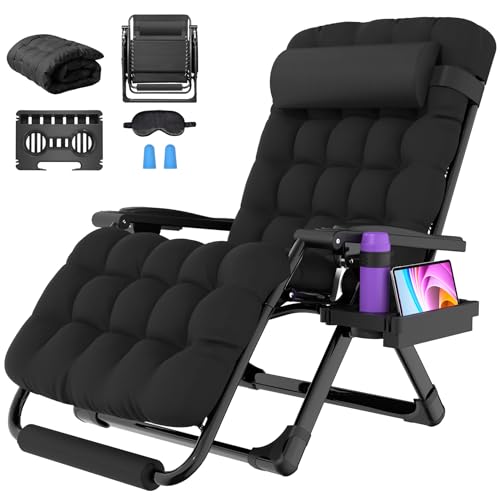
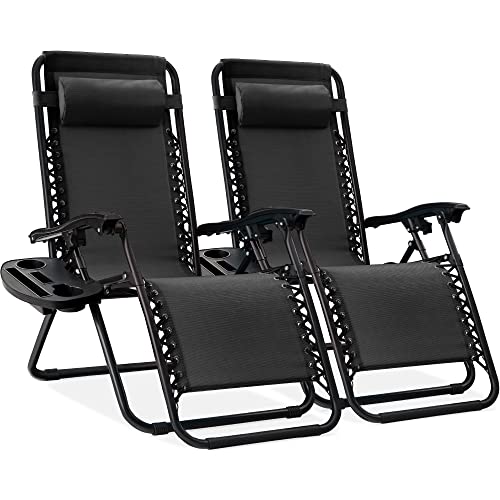
Outdoor Recliner Chair: The Complete Buying Guide
Everything you need to know before choosing a reclining patio chair — comfort, materials, mechanisms, and how to match the right tier to your outdoor lifestyle.
Explore Top PicksWhy an outdoor recliner chair deserves careful thought: A recliner transforms a patio from a place you pass through into a place you stay. Unlike a standard dining chair, a reclining outdoor chair is an investment in daily relaxation — so the frame material, recline mechanism, and cushion construction matter far more than they do on a basic seat. This guide walks you through every decision point so you can buy with confidence.
What Makes a Great Outdoor Recliner Chair?
An outdoor recliner chair is a patio seat with an adjustable backrest that lets you shift from upright conversation to full recline without moving furniture. The best models share four traits: a weather-resistant frame, a smooth and durable recline mechanism, quick-drying cushion foam, and a footprint that fits real outdoor spaces. If you are still mapping out your full seating plan, our outdoor patio furniture overview is a helpful starting point before you commit to a single piece.
Weather-Resistant Frame
Powder-coated aluminum and high-grade steel resist rust and fading. Resin wicker over aluminum offers a natural look with low maintenance.
Smooth Recline Mechanism
Lever, push-back, or multi-position locks. Mid-range and premium models typically offer more recline positions and smoother motion than entry-level chairs.
Quick-Dry Cushions
Open-cell foam and solution-dyed acrylic fabrics drain water fast and resist mildew, keeping cushions usable after rain.
Thoughtful Footprint
Recliners need rear clearance to lean back. Measure your space and check whether the chair reclines within its own frame or needs extra room behind it.
Types of Outdoor Recliner Chairs
Not every recliner works the same way. Matching the type to how you actually use your patio prevents buyer's remorse.
Push-Back Recliners
The most common design. You lean back and the chair follows, often locking into several positions. These are simple, reliable, and well-suited to casual lounging. They pair naturally with a side table for drinks and a reading lamp for evening use.
Lever-Release Recliners
A side lever releases the backrest so you can set an exact angle. Lever models tend to feel more controlled and are a solid choice if multiple people of different sizes share the chair. Many high-end tier models use this mechanism with reinforced hinges for long-term durability.
Swivel Recliners
A swivel base lets you rotate toward the conversation, the fire pit, or the view, then recline in place. These are excellent for decks with a 360-degree outlook. If rotation matters to you, compare them with dedicated outdoor patio swivel chairs with cushions before deciding.
Chaise-Style Recliners
Longer in the seat, these blur the line between recliner and lounger. They suit poolside and sunbathing use. For a deeper lounge posture, explore our guide to outdoor recliner styles that extend into full-length relaxation.
Choosing the Right Tier for Your Needs
Rather than chasing a specific number, think in terms of market tiers. Each tier represents a different balance of materials, mechanism quality, and expected lifespan — and each is the right choice for a different kind of buyer.
| Tier | Best For | Typical Characteristics |
|---|---|---|
| Entry-Level | Occasional use, renters, small balconies | Lightweight aluminum or steel frame, basic push-back recline, standard polyester cushions |
| Mid-Range | Daily family use, covered patios | Powder-coated aluminum, multi-position lock, quick-dry foam, solution-dyed fabric |
| Premium | Full-sun exposure, year-round climates | Reinforced frame, smooth lever mechanism, high-density quick-dry cushions, fade-resistant fabric |
| Luxury | Design-led outdoor rooms, hospitality-grade feel | Architectural frame design, precision recline hardware, premium performance fabric, extended structural warranty |
A practical rule: entry-level chairs are fine for a few sunny weekends a year, while mid-range and premium tiers pay off if the chair will sit outdoors through every season. If you plan to pair your recliner with a matching seating group, our outdoor patio set guide explains how to coordinate pieces without overspending on features you will not use.
Frame and Fabric Materials Explained
Materials determine how a recliner ages. This is where tier differences become most visible.
- Powder-coated aluminum: Lightweight, rust-proof, and easy to move. The standard for mid-range and above.
- High-grade steel: Heavier and very strong, but requires a rust-proof finish to survive wet climates.
- Resin wicker over aluminum: Natural woven look with none of the maintenance of real rattan. Check that the weave is tight and UV-stabilized.
- Solution-dyed acrylic fabric: Color is locked into the fiber, so it resists fading far better than printed polyester.
- Quick-dry open-cell foam: Lets water pass through instead of trapping it, reducing mildew risk after rain.
Pro Tip: Check the Recline Clearance
Before buying, confirm how much space the chair needs behind it to recline. Some models lean within their own frame, while others require several inches of rear clearance. On a tight balcony, a self-contained recline design can be the difference between a usable chair and a constant obstacle.
Comfort Details That Actually Matter
A recliner is only as good as the angle it holds and the support it gives. When comparing models, focus on these details:
Seat Height and Depth
A seat height around standard dining height suits most adults getting in and out easily. Deeper seats feel more luxurious but can be hard to exit for shorter users or anyone with knee concerns. Try before you commit if possible.
Armrest Design
Flat, wide armrests hold a mug or a book; contoured armrests cradle the elbows during recline. If you like to read outdoors, look for a recliner with a supportive headrest angle — or pair the chair with a dedicated outdoor reading chair setup.
Cushion Thickness and Firmness
Thicker foam is not automatically better. What matters is density and drainage. High-density quick-dry foam holds its shape season after season, while soft low-density foam compresses quickly. If you already own outdoor seating, our outdoor patio seat cushions 24 x 24 guide can help you upgrade comfort without replacing the frame.
Pre-Purchase Checklist
- Measure the footprint including recline clearance.
- Confirm the frame material suits your climate's humidity and sun exposure.
- Check the number of recline positions and whether the mechanism locks.
- Verify cushion fabric is fade-resistant and the foam is quick-dry.
- Review the warranty on frame and mechanism separately.
- Decide whether a swivel base adds real value for your layout.
- Plan a cover or storage spot for off-season protection.
If your patio is still taking shape, it helps to zoom out first. Our outdoor patio planning hub covers layout, zoning, and shade so your recliner lands in the right spot from day one.
Recommended Outdoor Recliner Chairs
The selection below is drawn from our editorial research and organized so you can compare tiers at a glance. Each pick is chosen for a specific use case — from compact balconies to full-sun poolside decks. Use the product cards to check availability and compare features before you decide.