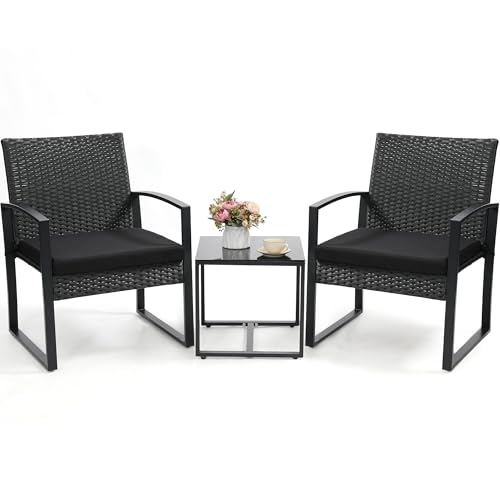
Outdoor Patio Set: The Complete Buying Guide
Everything you need to choose a patio set that fits your space, your lifestyle, and your local climate — from material science to layout planning and long-term care.
Explore the GuideWhy an Outdoor Patio Set Matters
An outdoor patio set is more than furniture — it is the anchor of your backyard. It defines where people gather, how long they linger, and how effortlessly your patio transitions from a quiet morning coffee spot to an evening dinner party. A well-chosen set turns an empty slab or deck into a genuine second living room, extending the usable square footage of your home across the warmer months.
The decision is more nuanced than it first appears. Sets differ in seating geometry, frame construction, cushion performance, and how they tolerate sun, rain, and temperature swings. Buyers in the research phase — already knowing they want a patio set but unsure which type fits best — benefit most from understanding these trade-offs before they ever click "add to cart." This guide walks through each one in practical, decision-ready detail.
If you are still exploring the broader category, our overview of outdoor patio furniture provides the foundation, while this page focuses specifically on complete, coordinated sets.
Types of Patio Sets and How to Choose
Patio sets generally fall into four functional families. Knowing which family matches your daily habits is the single biggest decision you will make.
Dining Sets
Tables paired with matching chairs for meals, games, and workspace. Best for households that eat outside regularly or host seated gatherings.
Lounge & Sofa Sets
Deep seating, sectionals, and conversation groupings. Best for relaxing, reading, and long social evenings.
Bistro & Bar Sets
Compact tables with counter- or bar-height seating. Best for balconies, small patios, and casual drinks.
Multi-Function Sets
Sectionals with integrated dining tables or fire pit tables. Best for buyers who want one set to do everything.
Dining sets: the entertainer's backbone
A dining set is defined by table height and chair count. Standard dining height suits formal meals, while counter and bar heights create a more casual, pub-like feel. If your patio doubles as an outdoor office or homework station, a rectangular table with generous knee clearance works harder for you than a round one. Our guide to outdoor patio table and chairs covers table shapes, chair ergonomics, and clearance rules in depth. For tighter footprints, a round dining table set for six keeps conversation flowing and reduces the amount of walking space you sacrifice.
Lounge sets: the relaxation specialists
Lounge sets prioritize seat depth and cushion thickness over table surface. A deep sectional invites reclining; a pair of swivel chairs supports face-to-face conversation. If your gatherings are long and relaxed rather than structured around a meal, lean toward lounge seating. Our guide to outdoor sectionals explains how modular pieces adapt to changing layouts.
Bistro and bar sets: small-space efficiency
These sets trade seating capacity for footprint efficiency, making them ideal for urban balconies and narrow side patios. A high-top configuration also elevates sightlines, which helps in spaces enclosed by railings or planters. Explore high-top table and chairs options and bar-height patio sets for compact yet social configurations.
Hybrid sets: one purchase, many uses
A set that combines seating with a fire pit table or an integrated dining surface delivers remarkable versatility. These are especially appealing to buyers who want a single anchor piece rather than a collection of mismatched furniture. See our guide to an outdoor patio set with a fire pit table for how these configurations work in practice.
Materials Compared: Durability and Climate Fit
Frame material determines longevity far more than any other factor. The table below compares the major categories using market-position and durability descriptors rather than any numeric figures.
| Material | Durability Tier | Best For | Watch Out For |
|---|---|---|---|
| Powder-coated aluminum | Mid-range to premium | Most climates; rust-free lightweight frames | Can dent under heavy impact; check coating thickness |
| Teak & high-grade hardwood | Premium to luxury | Natural aesthetics; long-term investment pieces | Requires periodic sealing; heavy to move |
| Synthetic resin wicker | Mid-tier to high-end tier | Classic woven look with weather resistance | Quality varies widely; inspect weave tightness |
| Steel (powder-coated) | Entry-level to mid-range | Sturdy frames for stationary setups | Susceptible to rust at chips and welds |
| Poly & resin lumber | Essential to balanced tier | Low-maintenance, sun- and rain-heavy regions | Heavier and less refined in finish |
| Textilene & mesh seating | Entry-level to mid-tier | Quick-dry, breathable sling seating | Less plush; limited cushion compatibility |
Cushion and fabric performance
Frames get the attention, but cushions determine daily comfort and how your set looks after two seasons. Look for solution-dyed acrylic or equivalent outdoor fabrics rated for UV fade resistance, and closed-cell foam cores that resist waterlogging. Removable, zippered covers simplify cleaning and replacement. Buyers replacing worn cushions can find compatible options among seat cushion clearance selections and dedicated 24 x 24 patio seat cushions.
Climate-specific recommendations
- Coastal and humid climates: prioritize aluminum or poly frames over steel; specify rust-proof hardware and marine-grade fasteners.
- Desert and high-UV regions: choose fade-resistant solution-dyed fabrics and light-colored frames that resist heat buildup.
- Cold winters: favor sets with stackable or modular pieces that can be stored compactly, and avoid natural wicker that dries out.
- Rainy regions: sling or mesh seating dries fastest; ensure tables have drainage-friendly surfaces.
Editorial note: No single material wins universally. The right choice is the intersection of your climate, how often you rearrange furniture, and how much seasonal maintenance you are willing to perform.
Sizing, Layout, and Space Planning
The most common patio-set regret is not material choice — it is scale. A set that looks proportionate on a showroom floor can overwhelm a small patio or feel lost on a large deck. Measure first, then choose.
The clearance rule that prevents frustration
Plan for 24 to 36 inches of walkway clearance around every seating group, and roughly 36 inches between a dining table edge and any wall or railing so chairs can slide out comfortably. On small patios, round tables often outperform rectangular ones because they eliminate tight corners.
Seat count versus real-world use
A four-person set suits most couples and small families, while six- to eight-piece configurations serve frequent hosts. Modular sectionals let you add or remove seats as needs change, which is why they are a strong long-term investment. If storage is a concern between seasons, look at patio furniture with storage for cushions to keep textiles protected without a separate bin.
Zoning a larger patio
Large patios benefit from two distinct zones: a dining footprint and a lounge footprint. Anchor each with an outdoor rug to visually separate them, and keep a clear path between the two. This approach prevents a single oversized set from dominating the entire surface. Our guide to outdoor patio design expands on zoning and traffic flow.
Small-space strategies
- Choose nesting or stackable chairs that store vertically.
- Use a high-top table to free floor area beneath the seats.
- Opt for benches or backless stools that tuck under tables.
- Keep the color palette light to visually expand the space.
Features That Upgrade the Experience
Once the frame and size are settled, features determine how pleasant the set is to live with day to day.
Umbrella compatibility
If your patio gets direct sun, an umbrella hole is a practical necessity. A set that accepts a standard pole lets you add shade without a freestanding base that eats floor space. Browse table and chairs with an umbrella hole and furniture with umbrella-hole compatibility for options that keep shade centralized.
Fire pit integration
A fire pit table extends usable hours into cooler evenings and creates a natural focal point. Gas models offer instant, smoke-free ambiance, while wood-burning versions provide a traditional crackle. Compare configurations in our guides to an outdoor patio set with a gas fire pit and a table set with a fire pit.
Storage and serving surfaces
Integrated storage keeps cushions, throws, and tableware out of the weather and out of sight. A serving station or side cabinet reduces trips indoors during gatherings. Explore serving station and storage cabinet options if entertaining is central to your plans.
Motion and comfort
Swivel chairs ease conversation flow; gliders and rockers add gentle motion. Both are worth prioritizing if you plan to spend long stretches seated. See swivel chairs with cushions and rocking chairs with cushions for comfort-focused alternatives to fixed seating.
Maintenance and Seasonal Care
Even the most durable set benefits from a simple care routine. Consistent maintenance protects your investment and keeps the set looking intentional rather than weathered.
Weekly and monthly routine
- Wipe frames with mild soap and water; avoid abrasive pads on powder-coated finishes.
- Brush debris from cushion seams and stand cushions upright after rain to dry evenly.
- Inspect welds, joints, and fasteners monthly for looseness or early corrosion.
- Touch up any chips in metal coatings promptly to prevent rust from spreading.
Seasonal transitions
Before winter, clean and fully dry every surface, apply a suitable sealant to wood, and store cushions indoors. Use breathable, fitted covers rather than plastic sheeting, which traps moisture. Elevate metal legs off damp ground and, where possible, move lightweight pieces into a shed or garage.
Extending cushion life
Rotation is underrated: flip and rotate cushions monthly so wear is distributed evenly. When covers begin to fade or fray, replacement is often more practical than replacing the entire set. Our guides to sectional replacement cushions and replacement cushion covers explain how to match sizes and fabrics.
Smart Shopping Checklist
Use this checklist to evaluate any set before you commit. It focuses on fit, construction, and long-term usability rather than any transient market conditions.
- Measure twice: confirm footprint, clearance, and door widths for delivery.
- Verify frame construction: check weld quality, coating coverage, and hardware material.
- Read cushion specs: confirm fabric UV rating, foam type, and whether covers are removable.
- Confirm modularity: can pieces be rearranged or added later?
- Check warranty terms: understand what is covered and for how long.
- Plan storage: decide where cushions and covers will live off-season.
- Review assembly requirements: confirm tools, time, and whether two people are needed.
For a broader comparison across configurations, our outdoor patio set overview and outdoor seating set guide provide additional context. If you are furnishing a poolside area, the outdoor pool furniture guide addresses chlorine and moisture considerations specifically.
Frequently Asked Questions
What is the best material for an outdoor patio set?
Powder-coated aluminum is widely regarded as the best all-around material because it resists rust, stays lightweight, and holds up well in most climates. Teak and other high-grade hardwoods offer a premium natural look with excellent durability when properly sealed. Wicker and rattan, whether natural or synthetic resin, provide a classic woven aesthetic while synthetic versions add weather resistance. Resin and poly furniture are the most low-maintenance options for harsh sun and rain.
How do I measure my patio for a furniture set?
Measure the length and width of your patio, then subtract a minimum of 24 to 36 inches of clearance around every piece so chairs can pull out and people can walk through. For dining sets, allow about 36 inches between the table edge and any wall or railing. Sketch the footprint on graph paper or use painter's tape on the ground to visualize the layout before you commit.
How many people should my patio set seat?
Base the seat count on your typical gathering size plus one or two extra guests. A four-person set suits most couples and small families, while a six- to eight-piece set works better for frequent entertainers. Modular sectionals let you scale seating up or down as needs change.
How do I protect an outdoor patio set in winter?
Clean and dry all surfaces, apply a suitable sealant to wood, and store cushions indoors. Use breathable, fitted furniture covers that repel water while allowing trapped moisture to escape. If possible, move lightweight pieces into a garage or shed, and elevate metal legs off damp ground to prevent corrosion.