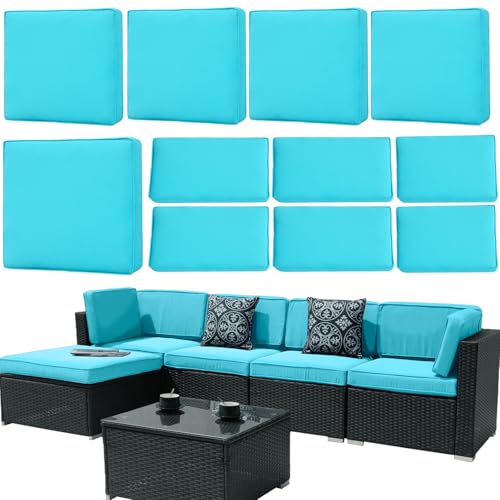
Outdoor Sectional Replacement Cushion Covers: A Complete Buyer's Guide
Refresh your patio sectional with confidence. Learn how to measure inserts, choose durable outdoor fabrics, match fit and shape, and care for new covers so your outdoor seating looks great season after season.
Explore Cushion Cover OptionsWhy replace cushion covers instead of the whole sectional? If your outdoor sectional frame is still solid and the foam inserts remain supportive, replacement covers are a smart, sustainable way to restore comfort and style. This guide walks you through fabric choice, accurate measurement, fit considerations and maintenance so you can make a confident decision before you buy.
When Should You Replace Sectional Cushion Covers?
Cushion covers take the brunt of sun, rain, pollen and daily use. Knowing the signs of wear helps you decide whether to replace covers, replace inserts, or upgrade the entire seating set. Here are the most common signals that it is time for new covers:
- Fading and discoloration: Fabric that has lost its original color from UV exposure looks tired and often indicates weakened fibers.
- Pilling and abrasion: Surface fuzz, thinning spots and worn seams reduce both appearance and durability.
- Stubborn stains or mildew: When cleaning no longer removes stains or persistent odors, the fabric is compromised.
- Broken zippers or torn seams: Small repairs may be possible, but failing closures usually mean the cover is near the end of its life.
- Style refresh: A new color or texture can update your entire outdoor living space without replacing the frame or inserts.
If the foam inserts are still firm, dry and odor-free, new covers are usually the most efficient path. If inserts are compressed, waterlogged or crumbling, consider replacing inserts together with covers for the best result.
Understanding Your Sectional Cushions and Covers
Outdoor sectional cushions typically consist of a foam core wrapped in a fabric cover. Covers may be sewn closed or feature zippers for removal and washing. Before shopping, identify the cushion types in your sectional:
Seat Cushions
Usually the thickest cushions, often rectangular with squared or rounded corners. Measure length, width and thickness carefully, and note whether corners are sharp or rounded.
Back Cushions
Often thinner and may be slightly angled or tapered. Some sectionals use a single long back cushion while others use individual cushions per seat.
Corner Cushions
Corner seats may use L-shaped or wedge cushions. These require precise measurement and often a custom or semi-custom cover.
Ottoman and Chaise Cushions
Longer or deeper than standard seat cushions. Check whether the cover needs a wrap-around skirt or a simple envelope closure.
If your sectional is modular, note the number of seats, corners and ottomans. Matching replacement covers across modules keeps the look consistent. For broader context on modular options, see our overview of outdoor sectional configurations.
How to Measure for Replacement Cushion Covers
Accurate measurement is the single most important step. Measure the foam insert, not the old cover, because fabric can stretch or shrink over time. Use a soft tape measure and record measurements in both inches and centimeters for clarity.
- Measure length and width: Place the insert flat and measure at its widest points. For tapered cushions, measure both the front and back widths.
- Measure thickness: Compress the foam gently to get a true thickness reading. Note if the insert is plump or compressed.
- Note the corner shape: Record whether corners are square, rounded or angled. Corner radius affects how the cover fits and looks.
- Check zipper placement: Note whether the old cover had a zipper on the back, side or bottom, and its length. This guides closure choice.
- Add seam allowance: Follow the cover maker's guidance. Custom makers often request insert dimensions plus a small allowance for seam and fit.
- Photograph and label: Take clear photos with a tape measure visible and label each cushion by location. This prevents mix-ups when ordering multiple covers.
If you are also considering new inserts, our guide to outdoor sectional replacement cushions explains foam density and support options that pair well with new covers.
Choosing the Right Fabric for Outdoor Cushion Covers
Outdoor fabric is engineered to resist moisture, UV fading and mildew. The best choice depends on your climate, sun exposure and how much time your sectional spends uncovered. Below is a comparison of common outdoor fabric types, organized by market tier rather than any specific figures.
| Fabric Type | Tier Positioning | Best For | Key Characteristics |
|---|---|---|---|
| Solution-Dyed Acrylic | Premium to luxury | High sun exposure, long-term outdoor use | Excellent fade resistance, colorfast, soft hand, water-repellent finishes available |
| High-Grade Polyester Blend | Mid-range to premium | Balanced durability and comfort | Good UV stability, quick-drying, wide color range, often treated for water repellency |
| Olefin | Mid-range | Humid climates, poolside areas | Durable, moisture-resistant, quick-drying, good colorfastness with proper treatment |
| Textilene or PVC-Coated Mesh | Entry-level to mid-range | High-moisture, wipe-clean environments | Very water-resistant, easy to clean, less plush feel, limited color and texture options |
| Cotton or Cotton-Blend Outdoor Fabric | Entry-level to mid-range | Covered porches, low direct sun | Natural feel, breathable, requires more care and faster replacement in full sun |
When comparing covers, look for UV-stable construction, water-repellent finishes and reinforced seams. Heavier fabrics generally last longer but may feel stiffer initially. Lighter fabrics feel softer but may show wear sooner under intense sun. For color coordination with pillows and accessories, explore our ideas on outdoor pillows that complement new cushion covers.
Fit Considerations: Shape, Closure and Attachment
Fit goes beyond dimensions. The way a cover closes and attaches affects both appearance and function. Consider these details before ordering:
- Closure type: Zippers offer a secure, fitted look. Envelope closures are simpler and have no hardware. Hook-and-loop tabs can simplify removal but may wear over time.
- Zipper quality: Look for corrosion-resistant zippers with protective flaps. Metal zippers should be rust-proof for outdoor use.
- Corner construction: Reinforced or double-stitched corners hold up better to repeated use and weather.
- Attachment points: Ties, straps or elastic loops keep cushions in place on windy days. Check whether your sectional frame has corresponding anchor points.
- Skirt or wrap: Some covers extend down over the frame for a tailored look. Ensure the drop length matches your frame height.
- Piping and seams: Piping adds structure and visual definition. Sealed or taped seams improve moisture resistance.
For sectionals with L-shaped corners, confirm whether covers are sold individually or as a set. Individual covers offer flexibility but require careful matching. If your sectional includes a chaise or daybed module, look at outdoor round daybed with retractable canopy styles to see how larger cushion forms are typically handled.
Caring for Replacement Cushion Covers
Proper care extends the life of new covers and keeps your sectional looking fresh. Follow these practical habits:
Routine Cleaning
Brush off loose debris weekly. Spot clean stains with mild soap and water, rinse thoroughly and air dry completely before refitting.
Deep Cleaning
Follow the fabric maker's instructions for machine or hand washing. Avoid harsh bleach unless explicitly approved. Air dry flat to preserve shape.
Weather Protection
Use furniture covers during heavy rain or off-season storage. Bring cushions indoors when prolonged wet weather is expected.
Rotation
Rotate and flip cushions regularly to distribute wear and reduce uneven fading. This is especially helpful in sunny exposures.
Store cushions in a dry, ventilated space during winter or extended wet seasons. Avoid sealing damp cushions in plastic, which can trap moisture and encourage mildew. If your sectional has integrated storage, our guide to outdoor sectional with storage for cushions explains how to use built-in compartments effectively.
Matching Covers to Your Sectional and Outdoor Style
Replacement covers are an opportunity to update your patio's visual identity. Consider these approaches:
- Neutral base: Sand, stone, charcoal and olive tones are versatile and pair easily with accent pillows and rugs.
- Color coordination: Match covers to existing umbrellas, rugs or planters. For a cohesive look, see how outdoor rugs can anchor the seating area.
- Texture contrast: A smooth cover with textured pillows adds depth without clashing.
- Bold statements: Deep navy, terracotta or forest green can define a focal point. Check how outdoor sectional with navy blue cushions handles strong color in an outdoor setting.
- Pattern strategy: Keep covers solid and use patterned accents for flexibility. Patterns on covers can be harder to match when replacing individual modules.
If you are refreshing the entire seating arrangement, review our broader collection of outdoor sectional furniture for frame and layout options that pair well with new covers.
Replacement Cushion Cover Buying Checklist
Use this checklist to stay organized before placing an order:
- Confirm inserts are dry, firm and mold-free before covering.
- Measure every cushion by location and record dimensions in inches and centimeters.
- Note corner shape, zipper placement and closure type.
- Choose a fabric tier that matches your sun exposure and climate.
- Verify UV resistance, water repellency and colorfast ratings.
- Check seam construction, zipper quality and attachment points.
- Order covers for all modules at once to ensure dye-lot consistency.
- Review care instructions and confirm they fit your routine.
- Plan for storage covers or indoor storage during off-season.
Taking these steps reduces the risk of returns and ensures your replacement covers fit well and last. If you are also considering a new frame or expanding your seating, our overview of outdoor patio sectional options can help you plan the next upgrade.
Frequently Asked Questions
Can I replace only the cushion covers on my outdoor sectional?
Yes. If the foam inserts are still firm and intact, replacing just the covers is a practical refresh. Check that inserts are dry, odor-free and free of mold before fitting new covers.
How do I measure my sectional cushions for replacement covers?
Measure the insert, not the old cover. Record length, width, thickness and any corner radius. Add seam allowance per the cover maker's instructions, and note the zipper orientation and number of cushions per seat.
What fabric is best for outdoor sectional cushion covers?
Solution-dyed acrylic and high-grade polyester blends are common choices for fade and moisture resistance. Olefin is durable and quick-drying. Look for UV-stable, water-repellent finishes and colorfast ratings suited to sun exposure.
Are replacement cushion covers waterproof?
Most are water-repellent rather than fully waterproof. Water-repellent fabric beads moisture and dries quickly. For heavy rain, use covers or store cushions. Fully waterproof covers can trap moisture and cause mold.
How do I keep replacement cushion covers looking new?
Brush off debris, spot clean with mild soap and water, rinse and air dry fully. Rotate cushions, use furniture covers when not in use and store cushions in a dry place during off-season.