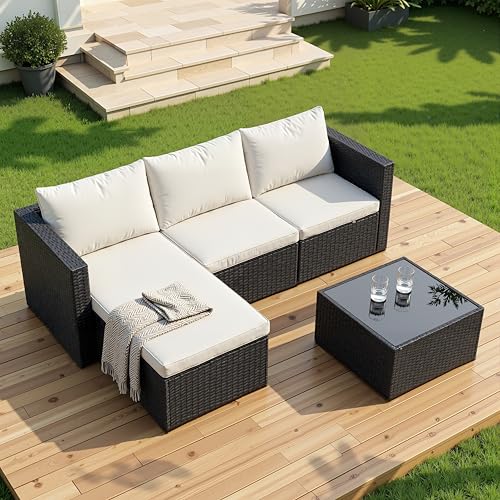
Outdoor Sectional With Storage For Cushions: The Complete Buying Guide
Storage-integrated outdoor sectionals solve one of the biggest patio frustrations: where to put bulky cushions when the weather turns. This guide explains how these pieces work, what materials hold up, how to size one for your space, and the details that separate a lasting investment from a short-lived purchase.
Explore Recommended OptionsWhy this matters: Cushions are the most vulnerable part of any outdoor seating arrangement. An outdoor sectional with dedicated cushion storage protects those cushions from rain, sun, and dirt while keeping your patio tidy — a combination that makes daily outdoor living far more practical.
1. What an Outdoor Sectional With Cushion Storage Actually Is
An outdoor sectional with storage for cushions is a modular or L-shaped seating unit where one or more sections conceal a compartment beneath the seat. That compartment is designed to hold the seat and back cushions when they are not in use. Unlike a generic outdoor sectional, these models integrate organization directly into the furniture footprint, so you do not need a separate deck box or shed.
The concept sounds simple, but execution varies widely. Some designs use a lift-up seat panel on gas struts; others use a pull-out drawer or a side-access hatch. The storage volume, drainage, and ventilation determine whether the compartment actually protects cushions or simply traps damp air. Understanding these differences is the core of making a smart purchase.
These pieces sit at the intersection of seating and storage furniture. If you have been researching outdoor patio furniture with storage for cushions more broadly, a sectional is the largest-format option and typically offers the most usable storage per seat.
2. Why Storage-Integrated Designs Are Worth Considering
The practical case for built-in cushion storage is strong, especially for homeowners who use their patio daily rather than occasionally.
Protection from weather
Cushions left out in rain absorb moisture, and repeated wet-dry cycles degrade foam and stitching faster than almost anything else. A dedicated compartment lets you stow cushions at a moment's notice, which matters in regions with sudden afternoon storms.
Reduced clutter
Without storage, cushions end up stacked on chairs, piled in a corner, or hauled indoors every evening. Built-in storage keeps the patio visually clean and removes a daily chore.
Longer cushion lifespan
UV exposure fades fabric and weakens fibers. Storing cushions out of direct sun when not in use slows that degradation noticeably. Combined with quality outdoor sectional cushions, a storage compartment meaningfully extends how long the fabric looks presentable.
Better use of small spaces
On compact patios, a separate storage box competes for floor space. Integrating storage into the sectional preserves walkable area — a key advantage covered in our outdoor seating with storage for cushions overview.
Editorial note: Storage is most valuable when it is genuinely weather-tight. A poorly sealed compartment can be worse than no storage at all, because it concentrates moisture around cushions in an enclosed space.
3. Types of Cushion Storage Built Into Sectionals
Storage design is the single most important differentiator between models. There are four common approaches, each with trade-offs.
Lift-up seat compartments
The seat panel hinges upward, often assisted by gas struts, revealing a deep compartment beneath. This is the most common design on mid-range and premium sectionals. It offers generous volume and easy access, but the hinge mechanism and seal quality vary — cheaper units may let water in along the lid edge.
Pull-out drawers
Drawers slide out from the base, typically on one or both ends of the sectional. They are convenient for cushions and small accessories, but drawer depth is usually shallower than lift-up compartments, and tracks can accumulate debris on outdoor surfaces.
Side-access hatches
A panel on the side of an end unit opens to reveal storage. This works well on corner pieces and keeps the seat surface uninterrupted, but access can be awkward in tight layouts.
Under-seat open shelving
Some designs skip enclosed storage in favor of open slatted shelving beneath the seat. This provides ventilation and drainage but offers less protection from rain and dust. It suits covered patios and homeowners who prefer a lighter visual profile.
If your priority is maximum storage volume, lift-up compartments generally win. If your priority is drainage and airflow in a humid climate, open shelving or well-vented enclosures are safer. For related storage configurations beyond sectionals, see outdoor sectional with storage underneath.
4. Frame and Fabric Materials That Last
An outdoor sectional is a long-term fixture, so material quality determines whether it lasts several seasons or several years.
Frame materials
- Powder-coated aluminum: The most common choice for mid-range and premium sectionals. It resists rust, stays relatively light, and handles humidity well.
- High-grade steel with rust-proof finish: Heavier and very stable, but requires a genuinely durable coating. Inspect welds and coating coverage on entry-level steel frames.
- Wicker and rattan over aluminum: Aesthetic appeal with reasonable durability when the weave is tight and UV-stabilized. Natural rattan is not suitable for uncovered patios.
- Poly resin and HDPE lumber: Weather-resistant and low-maintenance, covered in our outdoor poly furniture guide.
Cushion materials
- Quick-dry foam: Open-cell foam that lets water pass through rather than absorb. Essential for outdoor use.
- Solution-dyed acrylic fabric: Color is set into the fiber, so it resists fading far better than surface-dyed fabrics.
- Removable, washable covers: A major practical advantage. Check whether covers have zippers and whether replacements are available — see outdoor sectional replacement cushions.
For the storage compartment itself, look for slatted or perforated bottoms, drainage channels, and a lid gasket or overlapping lip. These small details decide whether the compartment stays dry.
5. Sizing and Layout for Real Patios
Storage-integrated sectionals are bulkier than standard seating because the base must accommodate the compartment. Measure carefully before committing.
Typical footprint ranges
- Compact L-shaped (3–4 seats): Fits patios roughly 10 x 10 feet with room for a coffee table.
- Mid-size L-shaped (5–6 seats): Suits patios around 12 x 12 feet or larger.
- Large modular U-shaped (7+ seats): Best for expansive decks and poolside areas, often paired with a serving station and storage cabinet.
Clearance rules of thumb
- Leave 18–24 inches between the sectional and a coffee table for legroom.
- Keep at least 30 inches of walkway on the open side of the L.
- Account for the swing radius of lift-up seat lids — some need several feet of clearance above.
- Confirm the storage compartment opens without hitting walls, railings, or planters.
For patio-wide planning, our outdoor patio guide covers overall layout principles, while outdoor patio furniture explains how pieces work together.
6. Comparing Storage Designs at a Glance
The table below summarizes how the main storage approaches differ. Tiers reflect market positioning, not absolute quality.
| Storage Design | Typical Tier | Best For | Watch Out For |
|---|---|---|---|
| Lift-up seat with gas struts | Mid-range to premium | Large cushion sets, daily use | Lid seal quality, overhead clearance |
| Pull-out drawers | Entry-level to mid-range | Small cushions, accessories | Shallow depth, debris in tracks |
| Side-access hatch | Mid-range | Corner units, tight layouts | Awkward access in narrow spaces |
| Open slatted shelving | Entry-level to balanced tier | Covered patios, humid climates | Limited rain protection |
| Sealed compartment with drainage | Premium to luxury | Uncovered patios, year-round use | Higher tier positioning, heavier base |
Higher-tier models generally combine better seals, smoother hinges, and thicker cushion foam. The jump from entry-level to mid-range usually brings the biggest practical improvement in storage reliability.
7. Care and Maintenance Essentials
Even a well-built sectional needs routine attention to stay in good condition.
Weekly
- Brush off debris from seat surfaces and the storage lid.
- Check the compartment for condensation, especially after rain.
Monthly
- Clean cushion covers per manufacturer instructions; most solution-dyed acrylic covers tolerate mild soap and water.
- Inspect hinges, struts, and drawer tracks for grit or corrosion.
- Confirm drainage holes are clear.
Seasonally
- Deep-clean the frame with a soft brush and mild detergent.
- Store cushions indoors during off-season months if your climate is harsh.
- Use a fitted cover for the frame — see our outdoor sectional furniture care notes.
If your cushions are reaching end of life, replacing them is often more sensible than replacing the whole sectional. Browse outdoor sectional cushions and outdoor sectional sofa replacement cushions before assuming you need new furniture.
Moisture tip: After heavy rain, leave the storage lid open for an hour on a dry day. This simple habit prevents trapped humidity from becoming a mildew problem.
8. Buying Checklist Before You Commit
Use this checklist to evaluate any outdoor sectional with cushion storage you are considering.
- Measure twice: Confirm the footprint, the lid swing radius, and walkway clearances.
- Inspect the seal: Look for overlapping lips, gaskets, or drainage channels on the storage lid.
- Test the mechanism: Lift-up lids should feel smooth, not stiff or wobbly. Drawers should glide without catching.
- Check frame coating: Look for coverage at welds and joints, where rust typically begins.
- Verify cushion construction: Quick-dry foam and solution-dyed fabric are the baseline for outdoor use.
- Confirm replacement availability: Cushions and covers should be replaceable without buying a new sectional.
- Review the layout: Modular pieces allow reconfiguration as your patio needs change.
- Match your climate: Uncovered patios need better seals; humid climates need better ventilation.
If storage is your top priority, also explore outdoor sectional with storage underneath and the broader seating with cushion storage category for alternative configurations.
9. Frequently Asked Questions
What should I look for in an outdoor sectional with storage for cushions?
Prioritize a weather-resistant frame, a storage compartment with drainage or ventilation, cushions made from quick-dry foam and solution-dyed fabric, and a modular layout that fits your patio dimensions.
Is built-in cushion storage really useful outdoors?
Yes. Built-in storage keeps cushions dry between uses, reduces clutter, and protects fabrics from UV exposure and rain, which can extend the lifespan of your cushions significantly.
How do I keep the storage compartment dry?
Choose compartments with drainage holes or breathable slats, store cushions vertically when possible, and periodically check for trapped moisture after heavy rain.
Can an outdoor sectional with storage stay outside all year?
Many mid-range and premium models are designed for year-round exposure, but using a fitted cover during off-season months and bringing cushions indoors during extreme weather will extend the life of both frame and fabric.
Are replacement cushions available for storage sectionals?
Most reputable brands offer replacement cushions, and third-party options exist for standard sizes. Check dimensions and foam thickness before ordering — see outdoor sectional replacement cushions.
Final Thoughts
An outdoor sectional with storage for cushions is one of the most practical upgrades you can make to a patio. It solves the daily friction of cushion management, protects your fabric investment, and keeps the space visually tidy. The key is to evaluate storage design as carefully as you evaluate seating comfort — a well-sealed lift-up compartment on a mid-range aluminum frame will usually outperform a flashier design with a leaky lid.
Take measurements, confirm drainage and ventilation, and match the piece to your climate. Done right, this is furniture you will use comfortably for years.