Outdoor Sectional Furniture: The Complete Buying Guide
Everything you need to choose, arrange, and care for a patio sectional — from sizing and frame materials to cushion care and long-term protection.
START THE GUIDEWhy an outdoor sectional? A well-chosen sectional turns a patio into a true second living room. It invites conversation, accommodates a crowd, and anchors the visual layout of your backyard. This guide walks you through the decisions that matter most so you can buy with confidence.
What Makes Outdoor Sectional Furniture Different?
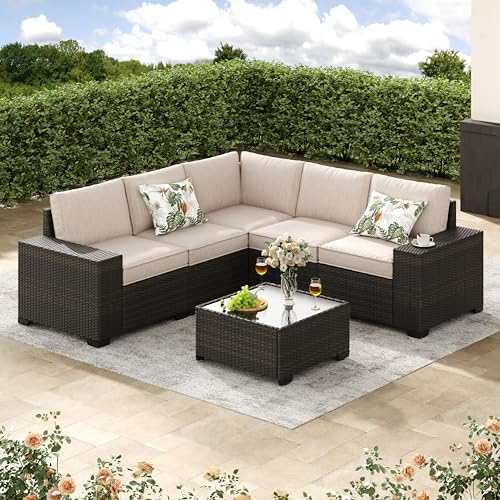
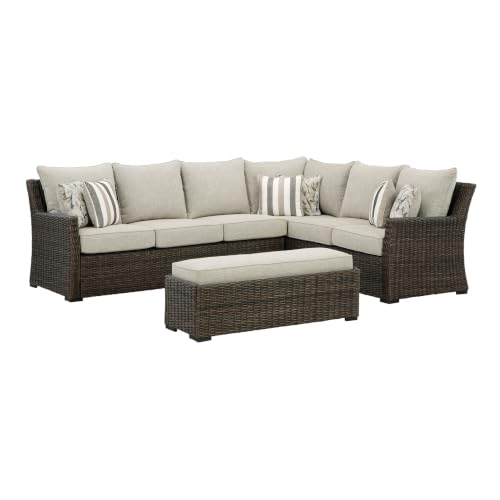
Outdoor sectional furniture is a modular or fixed L-shaped (and sometimes U-shaped) seating arrangement engineered for exterior conditions. Unlike indoor sofas, every component — frame, fasteners, foam, and fabric — is built to withstand moisture, UV exposure, and temperature swings. A quality sectional distributes weight across multiple seat modules, so it stays stable on uneven patio surfaces and feels solid after years of use.
The category spans simple two-piece loveseat-and-corner combinations to large six-piece modular sets with chaise extensions and integrated coffee tables. If you are still comparing broad categories, our outdoor patio furniture overview explains how sectionals fit alongside dining sets, loungers, and accent seating. For homeowners who want a dedicated deep-dive, this page focuses specifically on sectionals: how they are built, how they are configured, and how to keep them looking sharp season after season.
Sectional vs. Separate Sofa and Chairs
Traditional sofa-and-chair arrangements are flexible but fragmented. A sectional consolidates seating into one cohesive footprint, which typically creates more usable seating per square foot because the corner seat is occupied rather than wasted. The trade-off is weight and fixed geometry: a large sectional is harder to move and constrains layout options. Modular sectionals solve most of that problem — individual pieces detach, reconfigure, and store more easily. If you are weighing the two approaches, the outdoor sectional couch guide compares classic couches with modular configurations in more detail.
Sizing and Layout: Measure Before You Commit
The single most common buying mistake is underestimating the footprint. An L-shaped sectional occupies floor area in two directions, so it can visually overwhelm a patio that looked spacious on paper. Follow this sequence before choosing a configuration:
- Map your usable area. Measure the patio or deck edge to edge, then subtract a minimum 18-inch walking corridor around every side you intend to access.
- Mark the footprint with tape. Lay painter's tape on the ground to represent the sectional outline. Walk around it, sit inside it, and check door swings, steps, and grill clearance.
- Decide the primary orientation. An L facing a fire feature or view is the classic arrangement; a U-shape works for enclosed conversation zones on larger patios.
- Plan traffic flow. Keep the path from house to yard unobstructed. A sectional that blocks the main walkway will be moved — and moved sectionals get damaged.
- Allow for expansion. Modular systems let you add a chaise or corner later. Buying one module short of your maximum is often smarter than crowding the space.
Compact Patios
Two-piece L-shapes and corner-plus-loveseat arrangements around 5 to 7 feet per side work best. Prioritize low backs and slim arms to preserve sightlines.
Mid-Sized Decks
Three- to four-piece modular sets with a chaise module offer seating for four to six without dominating the space. Add a round coffee table to soften the geometry.
Large Patios & Poolside
Five- to six-piece U-shapes or long L-shapes define distinct zones. Consider a configuration with a dining-height table module to bridge lounging and dining.
Mixed-Use Layouts
A sectional with a dining table module, or one paired with a fire pit table, lets one footprint serve lounging, meals, and evening gatherings. See our sectional couch with dining table guide.
Frame Materials: The Backbone of Durability
The frame determines how long the sectional holds its shape, how much it weighs, and how much maintenance it needs. Here is how the common options compare:
| Frame Material | Best For | Durability Notes |
|---|---|---|
| Powder-coated aluminum | Humid, coastal, and rainy climates | Rust-proof finish, lightweight, low maintenance; the most weather-resistant mainstream choice |
| High-grade steel | High-traffic and windy locations | Heavy-duty stability and solid build; requires a quality rust-proof finish and periodic inspection |
| Teak and dense hardwoods | Design-forward patios and covered spaces | Weather-resistant coating not required when oiled; ages to a silver patina; heavier than aluminum |
| Resin wicker over aluminum | Traditional and coastal styling | UV-stabilized weave resists fading; inspect weave tightness and frame gauge before buying |
| Poly furniture (HDPE) | Full-sun, low-maintenance patios | Impervious to moisture and insects; color runs through the material; see our outdoor poly furniture notes |
Whichever frame you choose, check the joinery. Welded corners, reinforced brackets, and stainless or coated hardware are hallmarks of a solid build. On modular pieces, verify that the connecting brackets lock firmly with no wobble — the connection points take the most stress over time.
Cushions, Fabric, and Foam: Comfort That Lasts
Cushions are where most of the felt quality lives — and where most long-term wear shows up. Solution-dyed acrylic and olefin are the two fabric families most associated with outdoor performance: the color is engineered into the fiber rather than applied on top, so UV fading is minimized. Look for mold-resistant treatments and removable, zippered covers that can be spot-cleaned or replaced.
Foam density matters as much as fabric. Higher-density foam resists compression and spring-back loss, while quick-dry reticulated foam lets water pass through instead of trapping it. A common failure mode is a premium frame paired with thin, low-density cushions — the frame outlives the comfort layer. If you already own a sectional whose cushions have flattened, replacement is far more sensible than replacing the whole set. Explore outdoor sectional replacement cushions and the broader guide to outdoor sectional cushions for sizing and fit advice. For seat pads on individual chairs, 24 x 24 outdoor patio seat cushions are a common standard size worth measuring against.
Style flexibility is a quiet advantage of quality sectionals: swapping cushion covers changes the look without touching the frame. Neutral charcoal and taupe covers read modern, while navy blue cushions add a coastal contrast that holds up well under sun. If you want a bolder refresh, replacement cushion covers are the least disruptive upgrade.
Configurations and Smart Features
Sectionals are defined as much by their accessories as their frames. Here are the features worth evaluating against your actual usage:
Storage Under Seats
Cushion storage built into the base keeps pads dry and out of the way during storms. A sectional with under-seat storage doubles as seasonal storage. See sectional with storage for cushions.
Integrated Fire Pit Tables
A fire pit table module extends usable evenings into cooler months. Propane and gas versions need ventilation clearance; plan the layout accordingly. Browse sectional with fire pit dining table.
Dining-Height Modules
A raised table module bridges lounging and dining without a second furniture set. Useful for patios that host regular meals. Compare sectional with dining height table.
Umbrella Compatibility
If your patio gets direct midday sun, plan shade. Umbrella holes require a table module or a freestanding base beside the sectional. See sectional with dining table and umbrella.
Chaise Extensions
A chaise end module converts one leg of the L into a lounger. Excellent for reading and sunbathing; measure the extra depth before committing.
Corner and Ottoman Pieces
Ottomans double as coffee tables or extra seating when topped with a tray. They also make modular systems easier to rearrange for gatherings.
Market Tiers: What Changes as You Move Up
Rather than comparing specific figures, it helps to understand what separates the market tiers. This classification is consistent across the category:
| Tier | Typical Characteristics | Best For |
|---|---|---|
| Entry-level | Lighter aluminum or steel frames, standard-density foam, fewer modules, simpler fabric | First patios, seasonal setups, renters |
| Mid-range | Powder-coated aluminum or resin wicker, denser foam, solution-dyed fabric, modular connectors | Most homeowners wanting a long-term daily-use set |
| Premium | High-grade frames, quick-dry foam, premium fabric, refined joinery, storage modules | Full-sun or exposed patios, frequent entertaining |
| Luxury / commercial-grade | Teak or commercial aluminum, replaceable components, hospitality-level fabric and foam | Design-led spaces, high traffic, long-term investment |
Mid-range models usually deliver the best balance for typical residential use: denser foam and solution-dyed fabric make a noticeable comfort and longevity difference over entry-level, without the hospitality-grade overhead. A premium or luxury tier is justified when the patio is fully exposed to sun and rain or when the set sees daily use by a large household.
Care, Protection, and Seasonal Storage
An outdoor sectional is a long-term investment, and maintenance is mostly about small habits repeated consistently:
- Clean frames monthly during season. Rinse with mild soap and water; avoid abrasive pads on powder-coated finishes. Inspect welds and connectors for play.
- Brush and air cushions. Vacuum or brush fabric to remove grit, which abrades fibers. Air cushions in shade, not direct sun, after cleaning.
- Use breathable covers. A cover should breathe to prevent trapped condensation. Vented or fabric covers are preferable to sealed plastic sheeting.
- Store cushions off-season. A storage module, deck box, or indoor closet keeps pads dry and extends their life. See storage options in our sectional with storage underneath overview.
- Rearrange periodically. Rotate modules and cushions to distribute wear and sun exposure evenly across the set.
- Check drainage. Ensure water does not pool in seat frames or beneath modules; standing water accelerates corrosion and mold.
If you are adapting an existing set, pair care routines with the right accessories — outdoor pillows for accents and a properly sized outdoor rug to define the seating zone and reduce tracked-in dirt.
Quick Buying Checklist
Before You Buy
Measure the footprint with tape on the ground, confirm walkway clearance, choose the primary orientation, and decide whether you need storage or dining modules.
Frame & Joinery
Prefer powder-coated aluminum or high-grade steel; check welded corners, bracket strength, and connector firmness on modular pieces.
Cushions & Fabric
Solution-dyed acrylic or olefin covers, quick-dry or high-density foam, removable zippered covers, UV and mold resistance.
Long-Term Plan
Confirm replacement cushions and covers are available, budget for a cover, and plan off-season cushion storage.
Ready to Choose Your Sectional?
Browse curated options across configurations, then compare features side by side before you commit.
EXPLORE OPTIONSFrequently Asked Questions
What size outdoor sectional furniture fits a small patio?
For compact patios, look for modular or L-shaped sectionals with a footprint around 5 to 7 feet per side. Measure your usable space first, leave at least 18 inches of walkway clearance, and consider a two-piece configuration that can be rearranged as your layout changes.
Which frame material is best for outdoor sectional furniture?
Powder-coated aluminum is the most weather-resistant and lightweight option, while high-grade steel offers heavy-duty stability. Teak and other dense hardwoods bring warmth and age gracefully, and resin wicker over an aluminum frame balances style with durability. Avoid untreated softwoods for exposed outdoor use.
How do I protect sectional cushions from rain and sun?
Choose solution-dyed acrylic or olefin cushion covers with UV resistance, store cushions during heavy rain, use a breathable furniture cover, and clean spills promptly with mild soap and water. Rotate cushions periodically so fading and compression stay even.
Can an outdoor sectional be left outside year-round?
Many premium and commercial-grade frames can stay outside year-round when paired with protective covers and proper drainage. Cushions and fabric components should be stored in a dry place during off-season months. Check the manufacturer warranty for winter storage guidance.
Is a sectional better than separate sofa and chairs?
A sectional consolidates seating into one footprint and typically seats more people per square foot because the corner is used. Separate pieces are easier to move and rearrange. Modular sectionals offer the best of both — cohesive seating that can still be reconfigured.