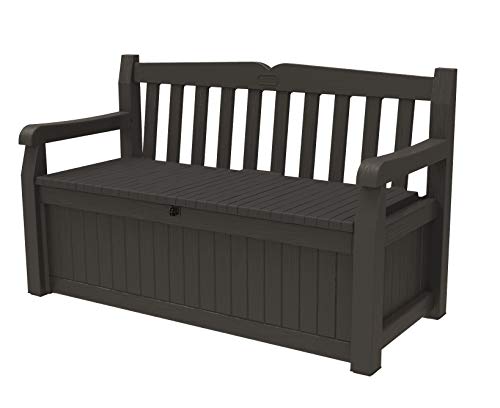
Outdoor Seating with Storage for Cushions: The Complete Buying Guide
Keep cushions dry, protected, and out of the way between gatherings. Learn how storage benches, storage sectionals, and cushion compartments compare so you can choose seating that works as hard as you do.
Explore Seating TypesWhy storage seating matters: Loose cushions left on the patio soak up rain, fade in the sun, and collect debris. Seating with integrated storage keeps them shielded, extends the lifespan of your cushion fabric, and clears clutter in one move. This guide walks through the design types, materials, and features that separate solid options from disappointing ones.
What Counts as Outdoor Seating with Cushion Storage?
Outdoor seating with storage for cushions is any bench, sofa, sectional, or chair built with a compartment designed to hold cushions when the seat is not in use. The storage typically appears in one of three forms: a lift-up seat lid, a pull-out drawer beneath the seat, or a base compartment that opens from the rear or side. Some designs combine seating with a storage box at one end, giving you a place to sit and a place to stash folded cushions in the same footprint.
The appeal is practical. Cushions are the most vulnerable part of any outdoor setup — they absorb moisture, hold odors, and fade faster than frames. A dedicated compartment keeps them covered without requiring a separate storage chest, which matters on compact patios, balconies, and decks where floor space is already stretched thin.
If you are furnishing a full outdoor space from scratch, it helps to see how storage seating fits alongside the broader category of outdoor patio furniture with storage for cushions before narrowing down to a single piece.
The Main Types of Storage Seating for Cushions
Each design solves a slightly different problem. Match the type to your space, the number of cushions you own, and how often you move the furniture around.
Storage Bench
A bench with a lift-up seat lid that opens into a single compartment. Compact, easy to place against a wall or railing, and usually the most straightforward option for a small patio.
Storage Sectional
A modular sofa where storage lives under the chaise, seats, or an end unit. Handles several cushion sets at once and anchors a larger lounging area.
Bench with Side Deck Box
Seating combined with a sealed box at one end. The box can hold cushions, throws, or small accessories while the bench stays open for sitting.
Storage Ottoman or Pouf
A low seat with a hollow interior. Best for a couple of throw pillows or small seat pads rather than full cushion sets, but flexible and easy to reposition.
Chair with Under-Seat Compartment
Single chairs with a drawer or hinged compartment under the seat. Useful when you want storage spread across several seats rather than concentrated in one large unit.
Convertible Bench with Backrest Storage
A bench that folds flat, with a compartment behind or beneath the backrest. Ideal for multi-use spaces where seating doubles as a low table or lounger.
If your priority is a lounge-first setup, a sectional with storage for cushions tends to offer the most capacity. For smaller footprints, a dedicated storage bench pairs well with a porch bench or a reading chair to spread seating and storage across the space.
Compare Storage Seating by Tier and Use Case
The table below groups options by market tier and best-fit scenario. Use it to shortlist designs before checking dimensions and materials.
| Tier | Typical Design | Best For | Storage Capacity |
|---|---|---|---|
| Essential tier | Storage ottoman or pouf | Small patios, balconies, accent seating | Small — throws, pillows, single pads |
| Starter tier | Lift-lid storage bench | Compact decks, entryways, two-seat setups | Moderate — one cushion set |
| Mid-tier | Storage sectional or modular sofa | Larger lounging areas, family patios | High — multiple cushion sets |
| Balanced tier | Bench with integrated side box | Mixed seating and accessory storage | Moderate to high |
| High-end tier | Chair with under-seat drawer | Distributed storage across a seating group | Moderate — per-seat capacity |
| Premium / luxury | Convertible bench with hidden compartment | Multi-use spaces, design-forward patios | Moderate to high |
Entry-level options usually rely on thinner frames and simpler lid mechanisms, while mid-range and premium designs add gaskets, reinforced hinges, and better drainage. That difference shows up in how well the compartment handles humidity over several seasons.
Materials That Make or Break Cushion Storage
The frame and compartment materials determine whether stored cushions stay dry. Three families dominate the market:
- Resin and poly furniture: HDPE and poly-lumber frames resist moisture and rot, and are a solid choice in humid climates. Storage compartments in this category are usually molded or panel-built. See outdoor poly furniture for the trade-offs.
- Wood and teak: Beautiful and repairable, but the compartment needs a sealed interior and good ventilation. Wood benches typically use slatted bases so air can move under stored cushions.
- Metal and aluminum: Strong and slim, but the compartment must be lined or powder-coated to prevent condensation and rust transfer. High-grade steel with a rust-proof finish holds up best in coastal conditions.
Whichever material you choose, the compartment interior matters more than the exterior finish. Look for a raised floor or slatted base, drainage channels, and a lid gasket. A sealed lid without ventilation can trap moisture and create a musty smell — the opposite of what you want.
Feature Checklist Before You Commit
- Lid support: Gas struts or a stay-open hinge let you load cushions with both hands.
- Gasketed lid: A rubber or foam seal keeps rain and dust out.
- Raised compartment floor: Keeps cushions off standing water.
- Drainage: Small channels or weep holes prevent pooling.
- Internal dimensions: Measure folded cushion stacks, then add roughly twenty percent for airflow.
- Load rating: The seat surface must support sitting weight even with the compartment full.
- Ventilation gap: A small gap or breathable liner reduces condensation.
- Locking or soft-close hardware: Prevents slamming and keeps kids out of the compartment.
Sizing Storage Seating for Your Cushions
Cushion storage fails most often because the compartment is too shallow. Before buying, measure the folded thickness of every seat and back cushion you plan to store, stack them, and compare that stack to the compartment depth listed in the product specifications. A two-seat cushion set typically needs a bench with a deep lift-up lid; a larger sectional usually calls for storage under a chaise or a full-width base compartment.
Also account for clearance. A lift-up lid needs open space above and in front of the bench. A pull-out drawer needs room to slide. If the seating sits against a railing or wall, a front-opening drawer or side-access compartment is easier to use than a rear-opening lid.
If your seating group includes a table, coordinate the bench height with the table so the storage lid does not collide with the apron. A patio table and chairs set paired with a storage bench at the same seat height keeps the layout clean.
Where Storage Seating Works Best
Placement shapes which storage design makes sense. On a covered porch, a lift-lid bench is easy to use and the compartment stays dry. On an open deck, a sectional with a gasketed compartment handles rain better than an unsealed bench. Around a pool, choose non-absorbent frames and avoid storing damp cushions in a closed compartment for long periods.
For poolside layouts, pair storage seating with outdoor pool furniture that uses quick-dry materials. On a compact balcony, a storage ottoman or a slim bench keeps the floor clear. If you are building a full lounging zone, a seating set with an integrated storage unit covers seating, cushion protection, and tabletop space in one arrangement.
Keeping Stored Cushions Fresh
Even a well-sealed compartment benefits from routine care. Follow these habits to avoid mildew and odors:
- Store cushions only when they are completely dry. A single damp cushion can fog the whole compartment.
- Open the compartment on dry, breezy days to let air circulate.
- Add a reusable moisture absorber inside the compartment and replace it seasonally.
- Clean the compartment interior at the start and end of each season.
- Rotate cushion stacks so the bottom cushions are not compressed all season.
- Check lid gaskets and hinges for wear before the rainy season begins.
For cushions used on open seating, see the guidance on outdoor patio seat cushions to match fabric and thickness to your storage depth. If you are refreshing an older sofa, sectional replacement cushions can be sized to fit existing storage compartments.
How to Choose Without Regrets
Start with capacity, then narrow by material and mechanism. A storage bench is the simplest entry point and works well on small patios. A storage sectional is the better choice when you own several cushion sets or want one large compartment. Chairs with under-seat drawers suit buyers who prefer storage distributed across the seating group.
Pay attention to the hinge and lid hardware. Entry-level benches often use simple friction hinges, while mid-range and premium models add gas struts and soft-close mechanisms. Those upgrades matter if the compartment will be opened daily. For a broader overview of how storage seating fits into a complete outdoor room, browse the outdoor patio section of our site.
Finally, confirm that the seat height works with your existing table or fire pit. A storage bench that is too tall or too low disrupts the whole layout, no matter how good the compartment is.
Frequently Asked Questions
What is outdoor seating with storage for cushions?
It is seating built with an integrated compartment, drawer, or lift-up lid that holds cushions, throws, and small accessories when they are not in use.
Is built-in cushion storage weather-resistant?
Most integrated storage compartments are water-resistant rather than fully waterproof. Look for gasketed lids, raised floors, and drainage channels for better protection.
How much cushion storage capacity do I need?
Measure the folded thickness of all seat and back cushions and add about twenty percent for airflow. A bench with a deep lift-up lid usually handles a two-seat set.
Should I choose a bench or a sectional with storage?
A storage bench suits compact patios and doubles as a table-side seat. A sectional with storage under the chaise or seats fits larger lounging areas and handles more cushions.
How do I keep stored cushions from getting musty?
Store cushions fully dry, add a moisture absorber or ventilation gap, and open the compartment periodically on dry days to let air circulate.
Ready to Choose Your Storage Seating?
Review the recommended options below, compare features, and check availability for the design that fits your patio and cushion collection.
View Recommended Options