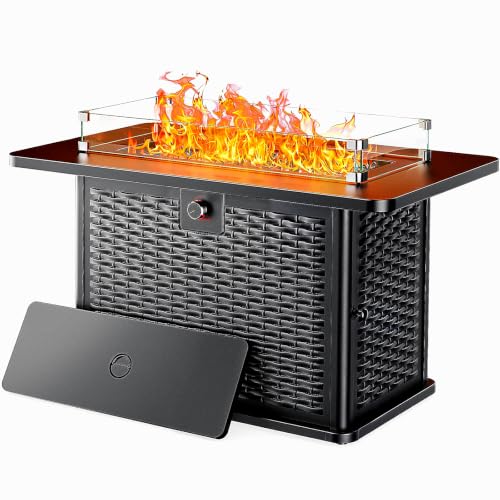
Propane Fire Table Sale: The Complete Buying Guide
Everything you need to know before choosing a propane fire table for your patio. Compare features, understand safety requirements, and discover which models suit your outdoor lifestyle.
Why a Propane Fire Table? A propane fire table transforms your patio into a year-round gathering space. Unlike wood-burning fire pits, propane models light instantly, produce no smoke or ash, and offer adjustable flame control. Whether you are hosting evening gatherings or enjoying a quiet night outdoors, a fire table adds warmth, ambiance, and a natural focal point to your backyard.
Key Features to Evaluate Before You Buy
Burner Output and Heat Radius
Burner output determines how much warmth your fire table delivers. Entry-level models typically produce lower heat output suitable for small seating areas, while mid-range and premium models offer higher output that can comfortably warm a larger patio zone. Consider the size of your outdoor space and typical weather conditions when evaluating burner specifications. Models with higher output consume propane faster, so balance warmth needs with fuel efficiency.
Construction Materials and Durability
The best propane fire tables use materials engineered to withstand outdoor exposure. Stainless steel burners resist corrosion and deliver consistent performance over time. Tabletops made from cast aluminum, powder-coated steel, or weather-resistant composite materials offer durability without excessive weight. Look for models with sealed seams and reinforced frames, as these indicators suggest a solid build designed for long-term use.
- Stainless steel burners: Resist rust and provide even flame distribution
- Cast aluminum or powder-coated steel: Durable, weather-resistant tabletop surfaces
- Reinforced frames: Ensure stability and prevent wobbling on uneven surfaces
- Weather-resistant coating: Protects against UV fading, rain, and temperature fluctuations
Ignition System and Flame Control
Push-button electronic ignition is standard on most mid-range and premium fire tables, offering reliable lighting without the need for matches or lighters. Entry-level models may use manual ignition, which requires a bit more effort but remains functional. Adjustable flame control lets you modulate heat output and flame height, giving you flexibility from a gentle ambient flame to a more substantial fire. Some high-end models include remote control or smart integration for added convenience.
Safety Certifications and Clearance Requirements
Always verify that a propane fire table carries recognized safety certifications. Proper ventilation is essential—never operate a fire table in an enclosed space or under a low ceiling. Most manufacturers specify clearance distances from combustible materials, and these guidelines should be followed strictly. Models with built-in flame-out protection automatically shut off the gas supply if the flame extinguishes, adding an important layer of safety.
Pro Tip: If you plan to use your fire table on a covered porch or deck, check the manufacturer's clearance specifications carefully. Some models are designed with lower profiles and shielded burners that work well in semi-covered spaces, while others require fully open-air placement.
Understanding Propane Fire Table Tiers
Propane fire tables fall into distinct tiers based on construction quality, feature set, and intended use. The table below outlines what to expect at each level so you can match your selection to your needs and expectations.
| Tier | Best For | Typical Characteristics |
|---|---|---|
| Entry-Level | Occasional use, smaller patios, first-time buyers | Manual ignition, simpler construction, lighter weight, basic flame control, suitable for compact outdoor areas |
| Mid-Range | Regular use, standard patios, homeowners seeking reliability | Electronic ignition, stainless steel burner, powder-coated or cast aluminum top, adjustable flame, flame-out protection |
| Premium | Frequent entertaining, larger patios, design-conscious buyers | Higher heat output, premium materials, remote control, integrated storage for tank, refined finishes, enhanced safety features |
| Luxury | High-end outdoor living spaces, commercial-grade settings | Flagship construction, smart features, custom finishes, maximum heat output, professional-grade components, extended warranties |
Placement and Design Considerations
Choosing the Right Location
Position your propane fire table where it serves as a natural gathering point. A central location between seating groups works well, but ensure there is adequate clearance from walls, railings, and overhead structures. Flat, stable surfaces are essential—avoid placing the table on uneven ground or soft turf. If your patio has a pergola or covered section, verify that the fire table's heat output and clearance requirements are compatible with the structure above.
Coordinating with Existing Patio Furniture
Propane fire tables come in a range of shapes and finishes that can complement your existing outdoor furniture. Rectangular models pair well with sectional seating, while round fire tables work nicely in conversation circles. Consider the height of your seating—most fire tables are designed to be used with standard patio chairs and sofas. If you have a porch furniture set or pool patio furniture, match the fire table's finish and scale to create a cohesive look.
Propane Tank Storage and Accessibility
Most propane fire tables are designed to house a standard 20-pound tank inside the base. Ensure the design allows easy access for tank replacement and that the tank compartment is properly ventilated. Some premium models include tank covers or slide-out trays that simplify the process. If you plan to use a larger tank, confirm that the table's hose length and connection type are compatible.
Safety and Maintenance Essentials
Safe Operation Practices
- Always operate your fire table outdoors in a well-ventilated area
- Keep children and pets at a safe distance from the flame
- Never leave a lit fire table unattended
- Check hoses and connections for leaks before each use
- Allow the table to cool completely before covering or moving it
- Disconnect the propane tank when the table is not in use for extended periods
Routine Maintenance
To keep your propane fire table performing well, clean the burner ports periodically to prevent clogs from dust and debris. Inspect the ignition system and hoses for wear. Cover the table when not in use to protect it from rain, leaves, and UV exposure. During winter or extended periods of non-use, disconnect the tank and store the table in a covered area if possible. These simple habits extend the life of your fire table and ensure safe operation.
Maintenance Note: If you notice uneven flames or difficulty lighting the burner, the burner ports may be blocked. Turn off the gas supply, allow the unit to cool, and use a soft brush or compressed air to clear the ports. If the issue persists, consult a qualified technician.
Related Outdoor Living Topics
Explore more guides and recommendations to complete your outdoor living space:
Frequently Asked Questions
What should I look for in a propane fire table?
Focus on burner output, construction materials, ignition type, and safety certifications. Premium models offer higher heat output, durable materials like stainless steel or cast aluminum, and electronic ignition for reliable lighting. Also consider the table's dimensions relative to your seating area and whether the tank storage is convenient for your needs.
How long does a propane tank last in a fire table?
A standard 20-pound propane tank typically provides 8 to 12 hours of burn time at a medium flame setting. Higher output burners consume fuel faster, so consider your usage patterns when selecting a model. Keep a spare tank on hand for extended gatherings.
Are propane fire tables safe for covered patios?
Propane fire tables should only be used in well-ventilated outdoor areas. Never use them in enclosed spaces, garages, or under low ceilings where heat and exhaust can accumulate. Always follow the manufacturer's clearance guidelines, and ensure that overhead structures are rated for the heat output of your specific model.
Can I convert a propane fire table to natural gas?
Some models offer conversion kits, but not all are convertible. Check the product specifications before purchasing. Professional installation is recommended for any gas conversion to ensure safety and proper function. Converting may also affect the warranty, so review the terms before proceeding.
How do I maintain a propane fire table?
Regular maintenance includes covering the table when not in use, cleaning the burner ports to prevent clogs, checking hoses for leaks, and inspecting the ignition system. Store the propane tank safely and disconnect it during extended periods of non-use. A well-maintained fire table will provide reliable performance for many seasons.