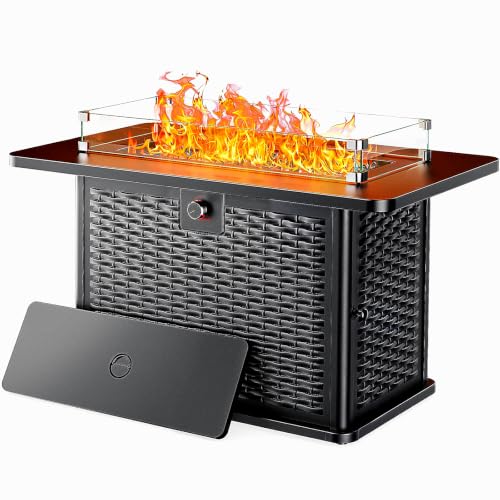
Propane Gas Fire Pit: The Complete Buying Guide
Everything you need to know before choosing a propane fire feature — ignition systems, heat output, materials, safety, and placement for a warm, worry-free patio season.
Explore the GuideWhy propane? A propane gas fire pit delivers instant flames, consistent heat, and clean operation without ash cleanup or firewood storage. For homeowners who want ambiance on demand, it is one of the most practical outdoor upgrades — provided you match the unit's specs to your space.
What Is a Propane Gas Fire Pit?
A propane gas fire pit is an outdoor heating and ambiance feature powered by liquid propane, typically supplied by a standard 20-pound tank stored in a concealed compartment or connected via an external gas line. Unlike wood-burning pits, there is no smoke, no spark showers, and no ash disposal — the flame is controlled by a valve and, in better units, by a push-button or electronic ignition.
Most models fall into three broad formats: fire pit tables that double as a surface for drinks and décor, low-profile bowl pits for a minimalist look, and portable or tabletop units suited to smaller decks and balconies. If you are still weighing fuel options, the related guide on propane firepit fundamentals covers tank sizing and burn-time expectations in more detail.
Key Features to Evaluate Before You Buy
1. Ignition System
Ignition quality separates a pleasant experience from a frustrating one. There are three common types:
- Match-lit / manual: entry-level and reliable; requires a lighter or match through an access hole.
- Push-button spark ignition: mid-range convenience; a single button generates a spark at the burner.
- Electronic ignition: premium and flagship tier; often battery-powered or hardwired, with consistent one-touch lighting.
2. Heat Output and Burner Design
Heat is measured in BTUs, and for a residential patio pit, most mid-range to high-end tier models produce enough warmth for a seating circle of four to six people. Look at burner material as well — high-grade stainless steel resists corrosion and holds up to repeated heating cycles far better than painted steel. Units with lava rock, fire glass, or ceramic logs distribute heat more evenly and look more finished.
3. Construction and Finish
Outdoor fire features live in the elements, so build quality matters. Powder-coated aluminum and cast aluminum are strong choices that resist rust; stone and concrete surrounds add visual weight but are heavier to reposition. A rust-proof finish and weather-resistant coating will extend service life considerably. For a deeper comparison of frame materials across outdoor furniture generally, the guide on powder-coated outdoor furniture is a useful companion read.
4. Tank Storage and Access
Decide whether the unit houses a hidden tank compartment or requires an external tank connection. Hidden compartments keep the look clean but add weight and require lifting the tank into place. A slide-out tray or hinged door makes tank swaps noticeably easier, especially for older users.
5. Safety Certification and Shutoff
Confirm the unit carries recognized safety certification and includes a thermocouple or flame-sensing shutoff that cuts gas flow if the flame goes out. A heat-resistant lid or cover is essential for tables that convert from fire feature to usable surface.
| Tier | Typical Ignition | Best For |
|---|---|---|
| Entry-level / starter tier | Match-lit or basic push-button | Occasional use, small patios, first-time buyers |
| Mid-range / balanced tier | Push-button spark with flame sensor | Regular entertaining, family decks, four-seat circles |
| Premium / high-end tier | Electronic ignition, refined burner | Design-focused spaces, frequent hosting, integrated layouts |
| Luxury / flagship tier | Electronic ignition with premium surrounds | Statement patios, stone or cast surrounds, commercial-grade use |
Fire Pit Tables vs. Standard Propane Pits
The most popular format today is the propane fire pit table, which combines a burner with a flat perimeter surface. This dual-purpose design is ideal where square footage is limited, since the unit replaces both a side table and a standalone heating element. Round variants suit circular seating arrangements, while rectangular tables pair naturally with sofas and sectional layouts.
Fire Pit Table
Doubles as a surface for drinks and décor. Best for compact patios and multi-use seating areas.
Low-Profile Bowl Pit
Minimalist, conversation-friendly footprint. Suits lounge-style seating and open deck layouts.
Portable / Tabletop Unit
Lightweight and easy to relocate. A practical choice for balconies and renters.
Placement and Space Planning
Before committing to a model, map the intended location. A fire feature needs clearance from railings, low branches, and upholstered furniture, and it should sit on a level, heat-tolerant surface. Concrete and stone are ideal; composite decking requires a heat-resistant barrier beneath the unit.
Consider the seating radius as well. A round pit naturally organizes chairs in a circle, while a rectangular table supports linear arrangements with sofas. If your outdoor room is still being planned, the broader overview of porch and patio design helps you coordinate the fire feature with the rest of the layout. For compact balconies and decks, a smaller propane small fire pit preserves walkway clearance without sacrificing ambiance.
Propane vs. Natural Gas vs. Wood
Propane offers portability and no permanent gas line, making it the most flexible option for renters and homeowners who rearrange their patio seasonally. Natural gas is convenient for permanent installations but requires a licensed connection. Wood produces the most authentic crackle and aroma but demands ash cleanup and careful ember management. For most residential patios, propane strikes a practical balance between convenience and ambiance.
Deck installations deserve special attention — elevated surfaces have weight and clearance constraints. The dedicated guide to a propane deck fire pit walks through the structural and safety considerations specific to raised platforms.
Practical Setup Checklist
- Verify surface levelness and heat tolerance before placement.
- Check tank clearance and confirm the compartment allows easy swaps.
- Test ignition and flame-adjustment range on arrival.
- Confirm the flame-sensing shutoff engages when the flame is extinguished.
- Add a fitted cover for off-season storage to protect the burner and finish.
- Keep a spare tank or plan refills ahead of peak entertaining weekends.
Ready to Choose Your Fire Feature?
Browse the recommended propane fire pits below, compare ignition types and build quality, and find the model that fits your patio layout.
View RecommendationsFrequently Asked Questions
How long does a standard propane tank last in a fire pit?
Burn time depends on the BTU output and valve setting. A standard 20-pound tank typically supports several hours of moderate use; running the flame high shortens that window considerably.
Can a propane fire pit be used on a wooden deck?
Yes, with precautions. Use a heat-resistant barrier beneath the unit, maintain manufacturer clearance distances, and keep the flame at a moderate setting. Elevated decks should be checked for weight capacity.
Do propane fire pits produce smoke?
No. Propane burns cleanly, so there is no smoke or ash. Any visible vapor at startup is condensation and dissipates quickly.
What is the difference between match-lit and electronic ignition?
Match-lit units require a lighter through an access port and are the simplest, most durable design. Electronic ignition offers one-touch lighting and is common in premium and flagship tier models.
Are fire glass and lava rock interchangeable?
Most burners accommodate either, but check the manufacturer's recommendation. Fire glass offers a more polished look, while lava rock tends to retain and radiate heat more effectively.
Can I convert a propane pit to natural gas?
Some models offer conversion kits, but this should only be done with manufacturer-approved parts and a licensed gas professional. Unapproved conversions void warranties and create safety risks.
Final Thoughts
A propane gas fire pit extends patio season on both ends of the calendar, adds a natural gathering point, and requires far less upkeep than wood-burning alternatives. Prioritize ignition quality, burner material, and safety shutoff features over cosmetic details — those are the elements that determine day-to-day satisfaction. Match the format to your space, confirm clearance requirements, and choose a tier that reflects how often you entertain. If you are exploring complementary heating options, the related guide on portable propane fire pits covers flexible units for patios that change layout season to season.